
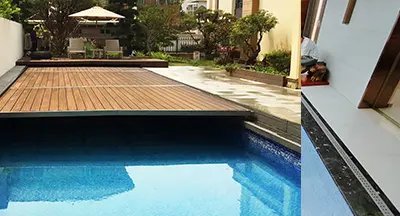
A retractable pool cover you can walk on is a reinforced structural system designed to support human weight, typically rated for loads between 150 and 250 pounds per square foot depending on the specific model and support frame. These systems use high-density materials like polycarbonate panels or reinforced slats to create a rigid deck over your water. This guide explains how these systems function, the safety standards they must meet, and how to maintain their structural integrity for long-term use.
Choosing a Retractable Walkable Pool Cover
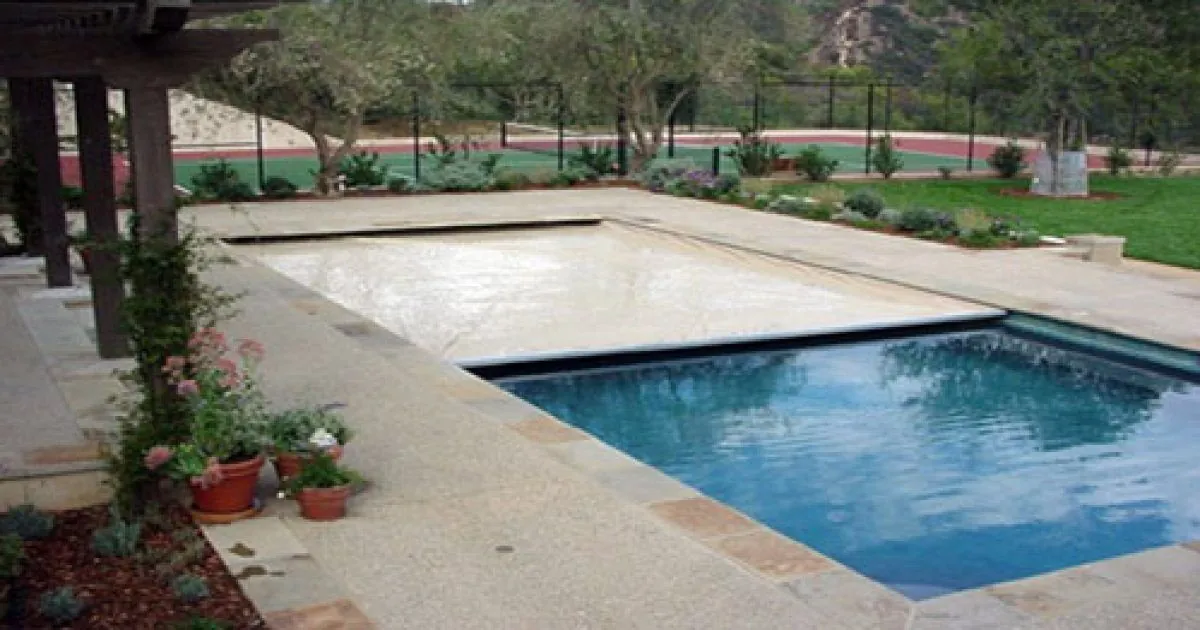
This equipment serves as both a safety barrier and a functional patio space. It’s designed for homeowners who want to maximize their outdoor living area by reclaiming the footprint occupied by a swimming pool. When closed, the cover acts as a solid platform, allowing you to walk, place furniture, or host gatherings directly over the pool.
Many people mistakenly believe that any hard-top cover is safe to walk on. In reality, most standard covers are designed only to prevent accidental entry by children or pets and will collapse under the weight of an adult. A true load-bearing system requires a rigid, engineered frame that transfers weight to the pool walls or a secondary track system.
The safety of these covers relies on meeting local building codes and specific load-bearing certifications. You should always verify that a manufacturer provides documentation from an independent engineering firm confirming the weight capacity for your specific pool size and installation type.
Installing Your Structural Pool Cover
- Measure the internal dimensions of your pool to ensure the track system fits flush with the coping.
- Install the heavy-duty aluminum tracks along the length of the pool deck, ensuring they’re perfectly level.
- Secure the support beams across the width of the pool; these beams must be spaced no more than 24 inches apart to maintain the load rating.
- Fasten the interlocking panels or slats to the support frame, making sure each connection is tightened to the manufacturer’s torque specifications.
- Connect the motor drive system to the track, testing the movement to ensure the cover retracts without catching on the edges.
- Calibrate the limit switches to stop the cover exactly at the closed and open positions to prevent mechanical strain.
If the cover doesn’t move smoothly, check the tracks for debris. Never attempt to force the motor if it stalls, as this can strip the gears or burn out the electrical drive. If you lack experience with electrical wiring or heavy structural assembly, hire a licensed contractor to handle the final connections and safety testing.
Load Capacity and Usage Settings
The performance of your cover changes based on the materials used and the span of the pool. Always consult the Consumer Product Safety Commission guidelines regarding barriers to ensure your installation meets regional requirements for preventing accidental submersion.
| Situation | What to use | How long | What to watch for |
|---|---|---|---|
| Daily walking | Reinforced slats | Permanent | Loose fasteners |
| Heavy snow load | Metal-core panels | Seasonal | Ice buildup |
| Pool party use | Structural frame | Temporary | Weight distribution |
| Long-term storage | Protective tarp | Off-season | Track alignment |
| Summer use | Polycarbonate | Daily | Surface cracks |
Maximizing Structural Performance
Experienced users focus heavily on the tension of the track system. If the tracks aren’t perfectly parallel, the cover will bind during retraction, which places uneven stress on the panels. You should check the alignment of the tracks every six months. If you notice the cover pulling to one side, stop using the motor immediately and re-align the drive pulleys before continuing.
Preparation is equally important for long-term durability. Before closing the cover for the season, clear the surface of all debris and sharp objects that could scratch the finish. Experienced owners also perform a “dry run” periodically during the off-season. This prevents the motor from seizing and keeps the mechanical components lubricated.
If you live in an area with extreme temperature shifts, be aware that materials expand and contract; consult your owner’s manual regarding the frequency of limit switch adjustments based on your specific usage and conditions.
Troubleshooting Common Issues
| What you notice | What it usually means | What to do first |
|---|---|---|
| Motor humming but no movement | Jammed track | Clear debris from rails |
| Cover sags when stepped on | Loose support beam | Tighten mounting bolts |
| Grinding noise during use | Worn bearing | Lubricate track wheels |
| Panels don’t lock together | Misaligned track | Check level of rails |
If the motor hums without movement, cut the power immediately to prevent the motor from overheating. A stalled motor draws excessive current that can permanently damage the internal windings.
When panels fail to lock, check the gap between the track and the pool edge. If the gap exceeds one-quarter inch, the track has likely shifted outward. Use a carpenter’s level to confirm the rails remain parallel. If they tilt inward, the panels will bind before reaching the latch.
Most users mistakenly apply grease to the entire track. This attracts grit and creates a paste that accelerates bearing failure. Only apply a thin, silicone-based lubricant directly to the wheel axles. If the grinding persists after lubrication, the bearing race is likely pitted and requires a full replacement.
Regulatory Safety Standards
Installing a walkable cover involves navigating specific safety regulations. In the United States, pool barriers are often governed by the ASTM F1346-91 standard, which sets the benchmark for safety covers. This standard ensures that the cover can support a specific weight and prevent access by children. If your cover doesn’t meet these criteria, it may not be legally considered a safety device by your local insurance provider or building department.
Always verify your local zoning laws before purchase. Some municipalities require a secondary fence even if you have a structural cover, while others accept the cover as a compliant barrier. If you’re uncertain about the specific regulations in your area, contact your local building inspector or the city planning office. They can confirm whether your chosen model meets the requirements for a pool of your size and depth.
Maintenance and Long-term Care
To keep your system functional, rinse the panels with fresh water every month to remove salt or pool chemicals. These substances can corrode the aluminum frame or degrade the plastic components over time. If you notice scratches on the surface, you can often buff them out with a plastic-safe polish, but avoid using harsh abrasives that could weaken the material.
The motor and electrical components should be inspected by a professional. If the cover begins to operate slowly, it’s usually a sign that the battery or motor is nearing the end of its cycle. Replace the drive belts according to the manufacturer’s recommendations, or sooner if you see signs of fraying. By keeping the tracks clean and the hardware tightened, you can expect the system to function reliably for a significant duration.
Choosing Alternative Solutions
This system isn’t for everyone. If you have a free-form pool with curves or irregular shapes, a rigid walkable cover is often impractical and expensive to engineer. In these cases, a standard safety mesh or automatic vinyl cover is a better choice. These alternatives are easier to install on non-rectangular pools, though they aren’t designed to be walked on.
If your primary goal is simply to prevent debris from entering the water, a high-quality mesh cover provides excellent protection at a fraction of the cost. You should choose mesh if your pool has a perimeter exceeding 60 feet or complex radius corners, as custom-fitted rigid panels often leak at the seams in these configurations.
Many owners mistakenly prioritize aesthetics over structural necessity, paying for heavy-duty systems they never actually walk upon. If you require weight-bearing support for kids or pets, only rigid panels suffice.
Frequently asked questions
Is it safe to walk on a retractable pool cover?
Yes, it’s safe to walk on these systems if they’re specifically engineered as load-bearing covers and are properly installed. You must verify that your specific model is rated for the weight of an adult and that the support frame is securely anchored to the pool deck according to the manufacturer’s specifications.
How much weight can a walkable pool cover hold?
Most residential systems are designed to support between 150 and 250 pounds per square foot. The exact limit depends on the span of the pool and the thickness of the support beams, so check your owner’s manual for the specific load rating provided by the manufacturer for your installation.
Can I install a walkable cover on an existing pool?
Yes, you can install these covers on most existing pools, provided you have enough deck space to house the track system. You may need to modify the coping or the surrounding deck to ensure the tracks can be mounted securely and remain perfectly level across the entire pool area.
How long does a walkable cover last?
These covers typically last 10 to 15 years with regular maintenance and proper care. The lifespan is determined by how well you keep the tracks clean, the frequency of use, and whether you perform the recommended annual inspections on the motor and structural supports to prevent long-term mechanical fatigue.
What happens if the motor fails while the pool is covered?
If the motor fails, most systems include a manual override crank that allows you to retract the cover by hand. You should locate this tool immediately after installation and keep it in a known, accessible spot so you can safely open the pool in the event of a power or motor failure.
Do I need a permit for a walkable pool cover?
Yes, you usually need a permit because these systems are considered permanent structural changes to your pool area. Contact your local building department to confirm the requirements, as they will need to ensure the cover meets local safety codes for barrier compliance and structural integrity.
Why is my cover sagging in the middle?
A sagging cover usually indicates that the support beams are either spaced too far apart or have become loose over time. You should stop walking on the cover immediately and tighten the mounting hardware, or contact a professional installer to inspect the beam spacing against the manufacturer’s load-bearing guidelines.
Conclusion
Maintaining your cover is the most effective way to ensure it remains a safe, functional part of your backyard. By following the manufacturer’s maintenance schedule and checking your track alignment regularly, you keep the system in peak condition. If you ever notice significant structural bending or persistent mechanical issues, consult a certified technician before using the surface again.