
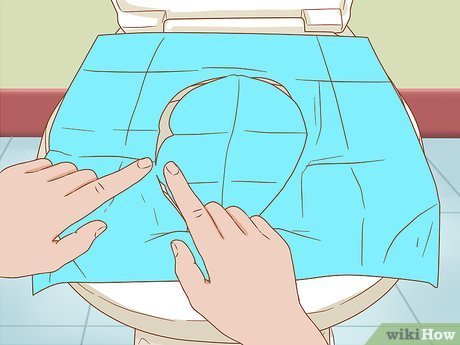
You can maintain a clean surface in public restrooms by using toilet seat covers as a paper barrier.
Items needed for toilet seat covers

You only need a few items to ensure a sanitary experience when you’re away from home. Most public facilities provide the necessary paper, but carrying your own supplies is a wise choice if you frequent older buildings or high-traffic transit hubs.
| Item | How much | Why it’s needed | A substitute |
|---|---|---|---|
| Seat cover | 1 sheet | Creates a barrier | Toilet paper squares |
| Hand sanitizer | 1 small bottle | Kills surface germs | Soap and water |
| Wet wipes | 1 small pack | Cleans skin surfaces | None — don’t swap |
| Toilet paper | 2-3 feet | Wiping after use | None — don’t swap |
Prioritize alcohol-based sanitizers with at least 60% ethanol to ensure effectiveness against common pathogens. If you encounter a facility lacking soap, don’t rely on water alone; use the sanitizer immediately after exiting the stall.
Many travelers mistakenly assume that layering toilet paper on a seat prevents infection. In reality, the porous surface of paper can trap bacteria, making a dedicated barrier sheet or a quick wipe with a wet wipe a superior defense. If the dispenser is empty, check the stall behind you before settling in. Always keep your supplies in a dedicated, waterproof pouch to prevent contamination from your bag’s interior.
Steps for using a seat cover
-
Start by pulling a single sheet from the dispenser located on the wall of the stall. If the dispenser is empty or jammed, don’t force it, as this often tears the paper into useless pieces.
-
Separate the center flap of the paper cover by gently pushing it downward toward the water. Keeping this flap attached prevents the cover from sliding off when you sit down, which is a common mistake that wastes the paper.
-
Place the paper flat onto the toilet seat, ensuring the edges align with the rim. If the seat is wet, use a small amount of toilet paper to dry it first, otherwise the cover will become soggy and stick to your skin. If you encounter a seat with a heavy layer of moisture, wipe the rim thoroughly; a damp seat will cause the paper to disintegrate within seconds of contact.
-
Check that the paper covers the entire surface of the seat to prevent any direct contact with the porcelain. If the cover is too small for the seat, use two sheets to overlap the edges, ensuring full protection for your legs. When dealing with oversized commercial seats, position the first sheet toward the front and overlap the second sheet by at least two inches at the back to maintain a continuous barrier.
-
Sit down slowly to avoid shifting the paper out of place. If you move too quickly, the friction can cause the paper to tear or move, which exposes the seat surface and ruins the protective barrier you just created.
-
Use the toilet as you normally would while remaining seated firmly. Staying in a stable position ensures the cover stays centered and prevents the paper from drifting into the bowl before you’re finished.
-
Stand up carefully after you’re done to ensure the paper stays in place until you flush. If the cover is very thin, it may cling to your clothing, so double-check that it remains in the bowl before you turn to reach for the handle.
-
Flush the toilet to remove the cover and waste, verifying that the paper has cleared the bowl. If the paper remains, flush a second time to ensure the bowl is clear for the next person. If the bowl doesn’t clear after two attempts, alert facility staff immediately to prevent an overflow that could compromise the hygiene of the entire restroom.
Confirming a successful application
You know the cover is effective if it remains flat across the entire seat without any skin touching the porcelain. The paper should feel dry and secure, providing a consistent barrier between you and the seat rim. If you see any gaps where your skin might touch the seat, you should add another layer or adjust the current sheet to ensure total coverage.
If the paper rips or slides off during the process, it isn’t providing the protection you need. In this case, it’s safer to discard the torn pieces and start over with a fresh sheet. Always ensure the center flap is hanging inside the bowl, as this keeps the paper anchored in place.
If the toilet bowl is unusually large or the seat is a non-standard shape, you may need to use two sheets to ensure the entire surface is covered. Overlap these sheets by at least two inches to prevent them from shifting apart when you sit.
Most users make the mistake of ignoring small tears near the edges. These gaps often widen under body weight, exposing skin to bacteria. If you can’t achieve a seamless fit after two attempts, abandon the paper method entirely and use a sanitizing wipe instead.
Troubleshooting common issues
| What happened | Why | What to do |
|---|---|---|
| Paper rips easily | Paper is too thin | Use two sheets |
| Cover slides off | Seat is wet | Dry seat first |
| Paper falls in | Flap isn’t hanging | Tuck flap inside |
| Dispenser is empty | Maintenance delay | Use toilet paper |
| Cover is too small | Seat is oversized | Overlap two sheets |
Most users fail to account for the seat’s curvature. If the cover bunches up at the sides, the seat is likely an elongated model rather than a standard round one. You must shift the cover forward by an inch to ensure the rear portion stays anchored.
Never attempt to layer more than two sheets. Excess paper creates a blockage risk that can trigger a plumbing emergency. If you’re in a high-traffic restroom, check the floor for stray covers before sitting. A discarded cover indicates a slippery surface, which increases the likelihood of your own cover sliding out of place.
If the dispenser remains empty for more than three stalls, alert building management immediately. Relying on toilet paper is a stopgap, not a permanent solution. When using toilet paper, create a cross-hatch pattern to ensure full coverage. This prevents direct skin contact with the porcelain surface.
Frequency of use
You should use a seat cover every time you use a public toilet, regardless of how clean the area appears. The frequency of this task depends on your access to private facilities and the hygiene standards of the public restrooms you visit. If you’re in a location with high traffic, such as an airport or a busy shopping mall, the need for a protective barrier increases significantly.
Assume a high-traffic stall sees at least twenty users per hour. If you can’t find a paper cover, don’t settle for a bare seat. Instead, use a sanitizing wipe containing at least 60% alcohol to neutralize pathogens on contact.
If you find that a facility is poorly maintained, you might choose to hover or use a portable sanitizing wipe instead of a paper cover. Hovering is the safer choice when the seat is visibly wet, as moisture acts as a bridge for microorganisms. Always prioritize your personal health by washing your hands thoroughly with soap and water for twenty seconds after exiting the stall.
Frequently asked questions
Can toilet seat covers prevent infections?
Yes, using a seat cover provides a physical barrier that prevents direct skin contact with the toilet seat surface. While the risk of catching an infection from a seat is generally low, the paper adds a layer of protection against moisture and residue. If you’re concerned about cleanliness, always use a fresh cover and avoid touching the seat with your bare skin.
Why do seat covers have a flap in the middle?
The flap is designed to hang into the water so the paper stays centered while you sit down. If you don’t tuck the flap into the bowl, the cover will shift or slide off the seat as soon as you touch it. Keeping the flap in the water ensures the paper remains securely in place throughout your use of the facility.
How long should a seat cover stay on the seat?
A seat cover should remain in place only for the duration of your use, and you must flush it away immediately after standing up. Leaving paper on the seat after you finish is considered poor etiquette and can lead to clogging if the plumbing is sensitive. Always ensure the paper is fully submerged in the water before you leave the stall.
Is it safe to flush seat covers?
Most standard seat covers are made of thin, dissolvable paper that’s safe to flush in modern plumbing systems. However, if you’re in an older building or a place with a sign stating “don’t flush paper,” you should place the used cover in the provided waste bin. Check the stall door or the wall for any specific instructions regarding waste disposal.
What happens if the seat cover falls into the bowl?
If the cover falls into the bowl before you sit, simply discard it and use a new one. A wet or contaminated cover no longer provides the sanitary barrier you need, so it’s best to start the process over. Never try to reuse a sheet that has already touched the water or the floor, as it will be ineffective.
Does it matter if the cover isn’t perfectly centered?
It does matter if the cover isn’t centered because any gap between the paper and the seat exposes your skin to the surface. Take a few extra seconds to align the edges correctly to ensure you have full protection. If the paper is crooked, it’s more likely to tear or slide away while you’re using the toilet.
Conclusion
Using a seat cover is a simple habit that keeps your experience in public restrooms cleaner and more comfortable. By following these steps and ensuring the paper is properly placed, you can maintain a sanitary barrier every time you need to use a public facility.