
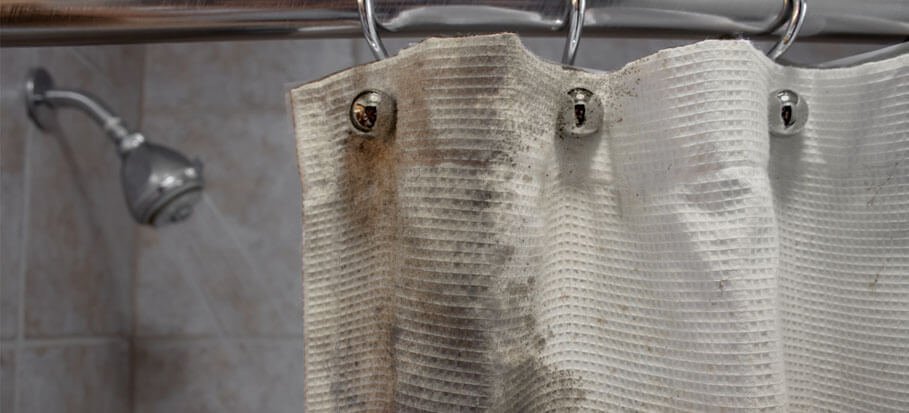
You can clean your shower curtain by washing it in a machine with a cup of vinegar and a half-cup of baking soda on a warm cycle. This method is the most effective way to remove mold from shower curtain fabric or plastic liners without using harsh chemicals. It works best for regular maintenance to stop spores from spreading. If you notice heavy black spots that don’t fade after one wash, you may need to replace the liner to ensure your bathroom stays hygienic.
Supplies to remove shower curtain mold
To get the job done properly, gather the following supplies before you start. Having everything ready prevents you from stopping mid-cycle, which is vital when dealing with damp materials that can quickly grow mildew if left sitting.
Use 1 cup of distilled white vinegar to kill mold spores and dissolve stubborn soap scum. If your water is particularly hard, add an extra quarter cup of baking soda to boost the cleaning power.
Include two heavy-duty bath towels in the load. These act as a physical buffer, preventing the curtain from tearing against the drum. Use your regular liquid detergent, but avoid bleach unless the care label explicitly permits it. Bleach often degrades plastic liners and causes yellowing on synthetic fabrics.
Keep a soft-bristle brush nearby for manual spot-cleaning. If you notice dark stains on the bottom hem after the cycle finishes, gently scrub those areas with a paste of baking soda and water. Don’t use stiff wire brushes, as these will puncture the material.
Ensure you have a clothesline or a sturdy shower rod ready for air-drying. Never use a tumble dryer, as high heat will warp or melt most curtain materials.
If the care label says “dry clean only,” don’t risk a machine wash. You can distinguish between machine-safe and delicate materials by checking the hem; if the fabric feels paper-thin or has metallic grommets, stick to hand-washing in a basin. If you’re unsure about the heat setting, always choose the cold water cycle to prevent shrinkage and maintain the integrity of the water-resistant coating.
Steps for washing your curtain
Follow these steps to clean your curtain thoroughly without causing damage to the material.
- Remove the shower curtain from the hooks and take off any metal rings or plastic clips.
- Place the curtain into the washing machine along with two clean bath towels.
- Add 1 cup of distilled white vinegar into the detergent dispenser or directly into the drum.
- Set your machine to a warm water cycle with a standard spin speed.
- Pour 1/2 cup of baking soda into the drum once the machine begins to fill with water.
- Add your regular laundry detergent to the dispenser according to the machine’s instructions.
- Start the wash cycle and let the machine run until it finishes.
- Remove the curtain immediately after the cycle ends to prevent new mold from growing in the damp folds.
- Hang the curtain back on the rod or a clothesline to air-dry completely.
Tip: Never use high-heat settings on a plastic liner, as it may melt or warp. Careful: If you have a severe mold allergy, wear gloves and a mask while handling the dirty curtain to avoid inhaling spores. If the mold persists after these steps, it’s best to replace the curtain as deep-seated growth can be difficult to remove from porous plastics.
Cleaning time and effort by curtain type
The time it takes to restore your curtain depends on the material and the amount of buildup. Starting with a gentle cycle is safer than using harsh chemicals, which can ruin the finish of modern plastics.
| Material Type | Estimated Time | Effort Level | What to Watch |
|---|---|---|---|
| Fabric liner | 60 minutes | Low | Check for loose threads |
| Plastic liner | 45 minutes | Low | Avoid high heat |
| Heavy-duty vinyl | 75 minutes | Medium | Scrub edges first |
| Weighted bottom | 60 minutes | Medium | Ensure it stays balanced |
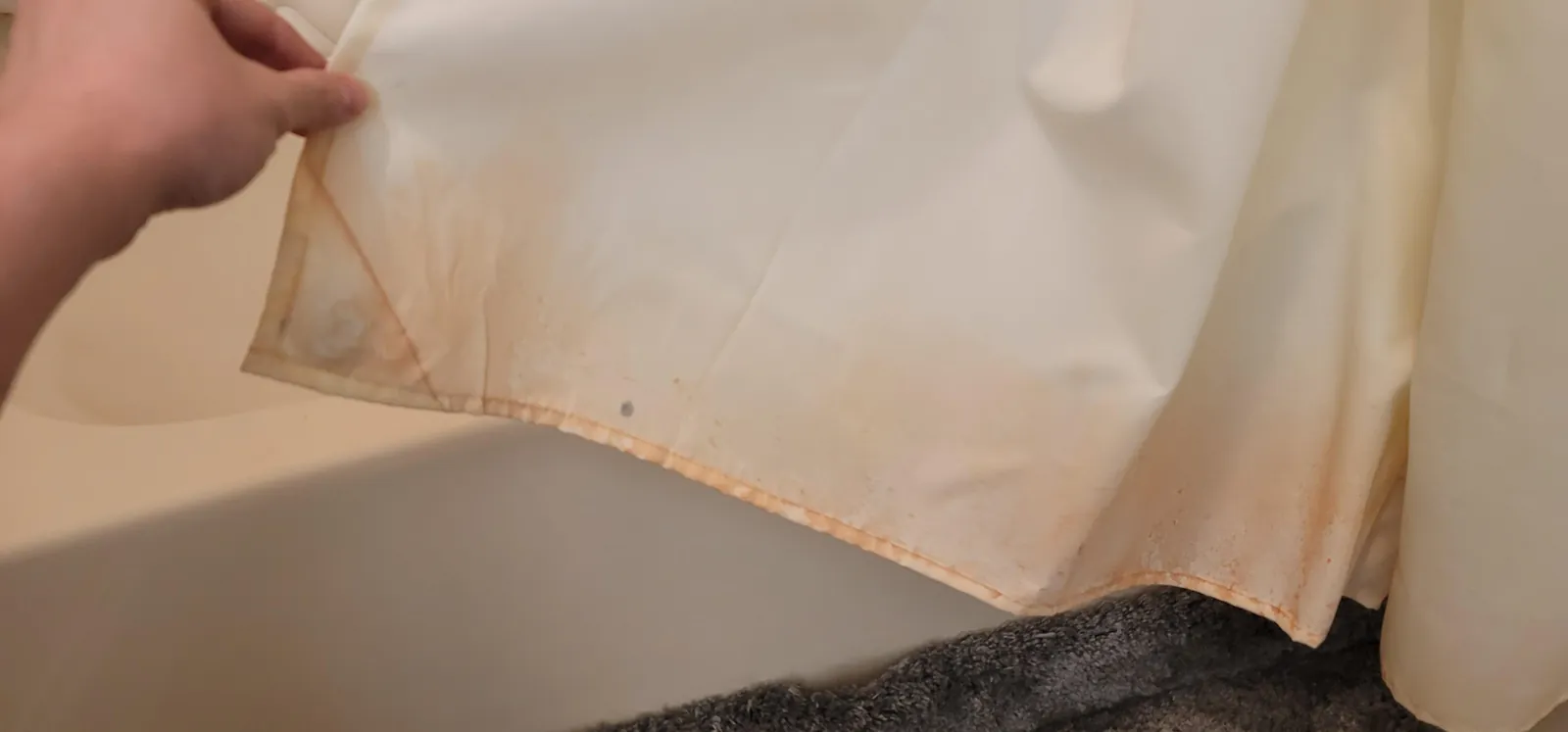
If you see orange or pink soap scum, skip the machine wash entirely. Soak the curtain in a tub with two cups of white vinegar for an hour instead. This dissolves mineral deposits that detergent often misses.
Most people make the mistake of drying curtains in a hot machine. This causes plastic liners to warp or crack within three cycles. Always hang your curtain back on the rod while damp. The steam from your next shower will naturally smooth out any lingering wrinkles.
If your curtain has metal grommets, you must use a mesh laundry bag. Without one, the metal will chip your washer drum or snag the fabric during the spin cycle. If the curtain remains discolored after a standard wash, it’s likely mildew rather than surface dirt. In this case, replace the liner immediately, as deep-set mold spores are nearly impossible to remove from synthetic fibers without damaging the material’s protective coating.
Signs of a clean curtain
A clean curtain looks clear or bright with no visible gray or black spots along the bottom hem. If you see persistent discoloration, it means the mold has penetrated the material fibers or the plastic coating. This often happens because moisture gets trapped in the folds for too long, allowing spores to root.
Test the fabric by pinching a damp section between your fingers. If the material feels slick or slimy rather than just wet, you’re dealing with a biofilm that surface sprays can’t remove. You must machine wash the curtain on a gentle cycle with a laundry detergent to remove the biofilm.
People often make the mistake of using bleach on plastic liners, which only weakens the material and creates more microscopic crevices for future mold. If the curtain remains gray after a wash, the material is permanently compromised and needs immediate replacement to stop spores from spreading.
Rules for mold prevention
The primary rule is to keep the bathroom dry, as mold thrives in high-humidity areas according to the Centers for Disease Control and Prevention. After every shower, pull the curtain shut so it can dry evenly across its entire surface. Once a month, wipe down the bottom edge with a vinegar spray to stop new growth.
If you find that mold returns, your ventilation fan might be failing or the room is too humid. Test your fan by holding a square of toilet paper against the intake grate while the unit is running. If the fan fails to hold the paper, it lacks the suction power to clear moisture; consult your owner’s manual for maintenance or replacement guidance based on your specific usage.
Replacing a plastic liner every six months is a normal part of bathroom maintenance if you live in a humid climate. However, if you see black spots embedded deep within the plastic, discard the liner immediately. Surface cleaning won’t reach these colonies.
Alternative ways to clean
Spray and wipe
If you only have a few small spots, mix a solution of half water and half vinegar in a spray bottle. Spray the affected areas, wait 10 minutes, and wipe with a clean cloth. This saves time but doesn’t clean the whole curtain.
Hand scrubbing
For curtains that aren’t machine-safe, fill a tub with warm water and a cup of vinegar. Soak the curtain for 30 minutes, then scrub the dirty areas with a sponge. This takes more effort but protects delicate materials.
Steam cleaning
Use a handheld steamer on the curtain while it hangs. The heat kills surface spores and removes wrinkles. This is great for fabric curtains but avoid this on thin plastic as it can melt the surface.
Frequently asked questions
Can I use bleach to kill mold?
You can use diluted bleach on white fabric curtains, though it’s often unnecessary and can damage plastic liners. Vinegar is a safer alternative that effectively kills mold roots. Always check the curtain’s care tag before using any bleach products.
How long does it take for mold to grow?
Mold can appear in as little as 24 to 48 hours if a wet curtain remains bunched up in a dark, humid bathroom. This is why spreading the curtain flat after each use is the most important step for prevention. If you notice a musty smell, it’s a sign that spores have already begun to colonize the damp fabric. Regular drying prevents this growth cycle from starting.
Is it safe to wash plastic liners?
It’s safe to wash most plastic liners using a warm cycle with towels as a buffer. High temperatures from hot cycles or dryers will cause the plastic to melt or become brittle. Inspect the liner for cracks before washing to ensure it’s strong enough.
What happens if I don’t remove the mold?
Leaving mold on a curtain allows spores to multiply and spread to your walls, ceiling, or bath mat. Mold can permanently stain the material, making it look dirty even after washing. Replacing the curtain is the best choice once mold covers a large portion of the surface.
How often should I wash my shower curtain?
You should wash your shower curtain regularly to prevent significant mold buildup. Establishing a consistent cleaning schedule helps you catch small spots before they become permanent stains. If your bathroom has high humidity or poor ventilation, you may need to wash it more frequently.
How do I know if my curtain is ruined?
Your curtain is ruined if it has permanent dark staining that doesn’t disappear after a thorough wash. You should also replace it if the material feels sticky, has visible cracks, or if the moldy smell remains strong after it has dried. These signs indicate that the material has broken down and can no longer be effectively cleaned. A new liner is inexpensive and keeps your bathroom environment much healthier for everyone.
Conclusion
To keep your bathroom fresh, try leaving the curtain pulled fully across the tub after every shower. This simple habit allows air to circulate properly, which prevents moisture from building up in the folds. It’s a small change that’ll save you plenty of scrubbing time and keep your space feeling clean.