
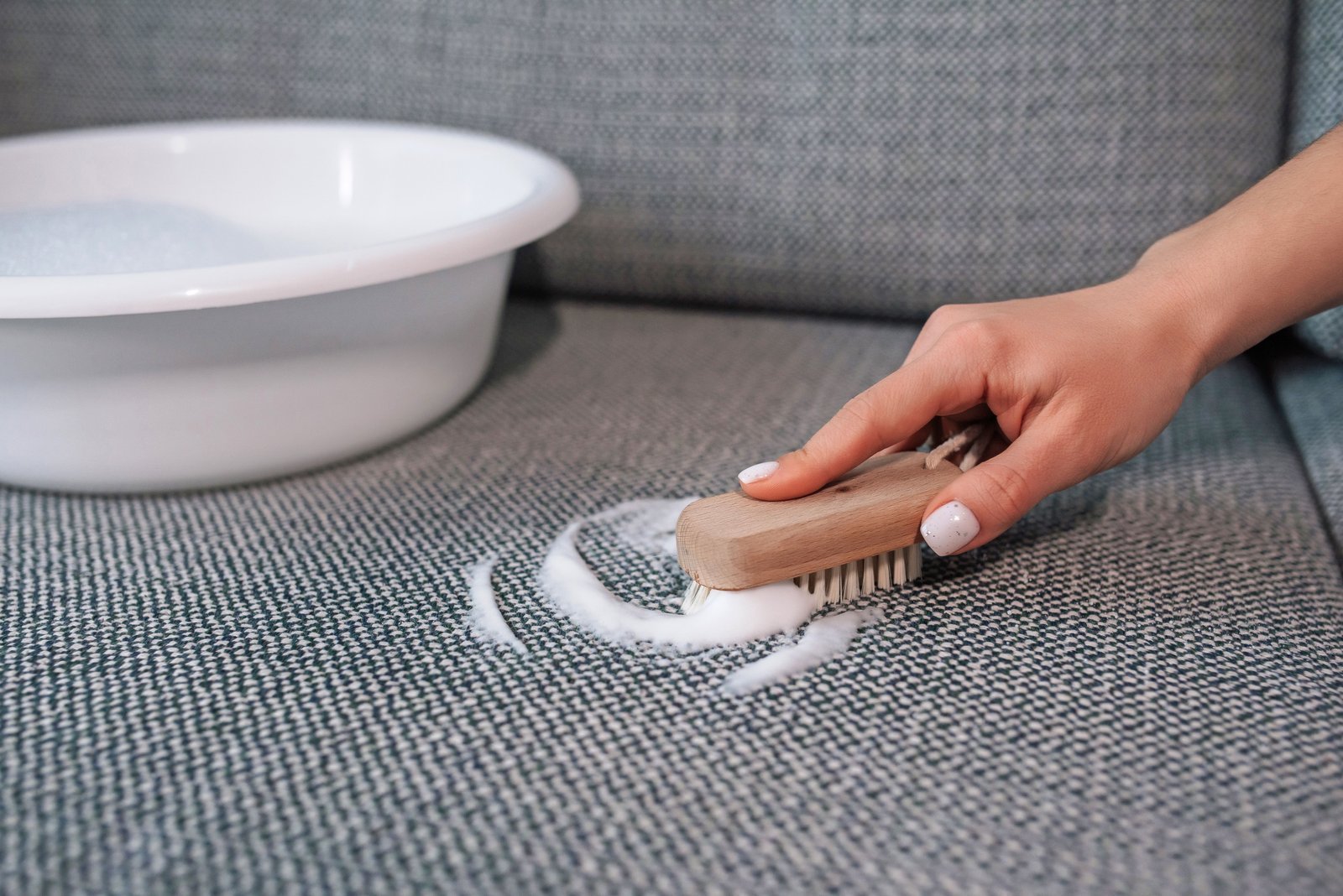
Yes, you can wash sofa cushion covers, but only if the fabric isn’t marked for dry cleaning only. You should check the care label hidden under the cushion or inside the zipper seam immediately. If the tag says “dry clean only,” don’t attempt to wash them at home. If it’s safe for water, you’ll need to follow the specific steps below to prevent shrinking or damage.
Situations for washing cushion covers

Most modern furniture allows for some form of home cleaning, but the material and construction dictate the method. You must verify the manufacturer’s recommendation to avoid ruining the upholstery.
| Your situation | Answer | Why |
|---|---|---|
| Tag says machine wash | Yes | Designed for water cycles |
| Tag says dry clean only | No | Risk of shrinkage or fading |
| Leather or faux leather | No | Water causes cracking and peeling |
| Velvet or delicate silk | No | Fibers lose texture when wet |
| Removable zippered covers | Yes | Easy to separate from foam |
| Non-removable covers | No | Can’t be submerged safely |
If a cover lacks a tag, perform a colorfastness test. Dampen a white cloth with mild detergent and press it against an inconspicuous seam for thirty seconds. If dye transfers to the cloth, stop immediately; the fabric requires professional dry cleaning to prevent permanent blotching.
Never wash covers that contain internal backing or stiffening agents. These materials often lose their shape or disintegrate after a single cycle, leaving you with a distorted, unusable cover. If the fabric feels stiff or contains a heavy lining, stick to vacuuming or spot cleaning with a foam upholstery cleaner.
When washing, always zip the covers closed before tossing them in the machine. Open zippers act like jagged teeth, snagging delicate fibers and causing unsightly pulls or tears during the spin cycle. If you’re unsure about the fabric’s durability, wash the cover inside a mesh laundry bag to reduce friction against the drum.
The rule for safe cleaning
The primary factor determining if you can clean your covers is the material’s reaction to water and heat. Natural fibers like cotton or linen often shrink if they aren’t pre-shrunk by the manufacturer, while synthetic blends like polyester are generally more stable. You must read the manufacturer’s care instructions, as these labels follow the Federal Trade Commission requirements for textile labeling. Always look for the specific symbols on the tag; a crossed-out tub means don’t wash.
Beyond the fabric, the construction of the cushion matters. Some covers have internal linings or stiffeners that lose their shape once they get wet. If the cover is complex with many pleats or buttons, it’s usually safer to spot clean it rather than submerge the whole piece in water.
If the label is missing, perform a small spot test on an inside seam using a damp white cloth to see if the dye bleeds. If the cloth changes color, the fabric isn’t colorfast and you must not wash it.
Most people mistakenly assume that a “dry clean only” tag is merely a suggestion to protect the manufacturer from liability. In reality, if the tag specifies dry cleaning, it often indicates that the fabric contains sizing agents that will dissolve in water, leaving the cover limp and permanently wrinkled.
If the fabric feels sturdy and the tag allows water, use a cold, gentle cycle. If it’s delicate or has complex trim, stick to hand washing only. If the cover features metal zippers or heavy brass buttons, wrap them in a mesh laundry bag to prevent them from snagging the fabric or damaging your machine drum.
Steps for washing removable covers
If your cushion covers are machine-washable, follow these steps to ensure they come out clean without losing their shape or size.
Vacuum the covers thoroughly before removing them to pull out loose dust and debris. This prevents dirt from turning into mud during the wash. If you skip this, grit can settle deep into the fibers, causing premature wear.
Zip all zippers shut so the metal teeth don’t snag the fabric or damage the drum of your machine. If a zipper is broken or missing a pull, secure the opening with a safety pin to prevent the cover from tangling.
Turn the covers inside out to protect the outer surface from friction and fading during the cycle. This simple step keeps the fabric looking new for years.
Select the delicate or hand-wash cycle on your washing machine and use cold water only. Hot water is the most common cause of fabric shrinkage. If you’re unsure about the material, perform a spot test on an inconspicuous inner seam with a damp white cloth. If any color transfers to the cloth, take the covers to a professional cleaner instead.
Use a mild, bleach-free detergent to prevent chemical damage to the fibers. Avoid fabric softeners, as they leave a waxy residue that attracts more dust.
Air dry the covers by laying them flat on a clean towel or hanging them in a shaded area. Never put cushion covers in the dryer, as the heat will shrink them, making it impossible to fit them back onto the foam inserts.
The mistake of shrinking covers
The most common mistake people make is putting damp covers back onto the foam inserts before they’re completely dry. This trapped moisture creates a breeding ground for mold and mildew, which can ruin both the fabric and the foam core inside. It also causes the fabric to stretch unevenly as it dries around the foam.
You can avoid this by waiting at least 24 hours for the covers to air dry fully. Even if they feel dry on the outside, check the seams and the corners for any dampness before you attempt to replace them.
If the fabric feels cool to the touch, it’s still holding water. A simple rule applies: if the cover feels cold, leave it on the rack for another four hours.
Many people try to speed up the process by using a tumble dryer, but high heat often shrinks synthetic fibers by up to five percent. This makes the cover impossible to zip back on. Always stick to air drying to preserve the original fit and protect the structural integrity of the fabric.
When to seek professional help
Some situations go beyond what you can safely handle at home. You should stop and call a professional upholstery cleaner in the following cases:
- The fabric is marked “dry clean only” or has no care tag at all.
- The cushion covers are made of antique, delicate, or high-value materials like silk or genuine velvet.
- There are deep, set-in stains that didn’t lift with a simple spot treatment.
- The covers are part of a high-end designer piece where the risk of damage outweighs the cost of professional service.
If you see a “W” on the cleaning code, you can safely use water-based agents. If you see an “S,” use only solvent-based cleaners. If you see an “X,” don’t touch the fabric with any liquid or foam; vacuuming is your only option.
Many homeowners make the mistake of over-wetting a stain, which pushes dirt deeper into the padding or triggers browning on light-colored fabrics. This error often costs more in professional restoration than the initial cleaning would have required.
When you’re unsure, professional cleaners have the right solvents and equipment to manage fabrics that water would destroy. Don’t risk your furniture by experimenting with harsh chemicals. If the stain is larger than a standard dinner plate, the risk of leaving a permanent ring is high. In that case, call a pro immediately.
Frequently asked questions
Can I wash sofa cushion covers in the washing machine?
Yes, you can use a washing machine if the care label specifically allows it and shows a machine-wash symbol. Always use the delicate cycle and cold water to prevent damage to the fabric fibers. Ensure all zippers are closed and the covers are turned inside out before starting the machine. If the tag is missing or indicates dry clean only, don’t put them in the machine.
How long does it take for cushion covers to dry?
It usually takes between 12 and 24 hours for cushion covers to air dry completely, depending on the thickness of the fabric and the humidity in your home. You must wait until they are 100% dry before putting them back on the foam. If you feel any dampness in the corners or seams, leave them out for another few hours to prevent mold growth.
Is it safe to put cushion covers in the dryer?
No, it isn’t safe to put cushion covers in the dryer because the high heat will almost always cause the fabric to shrink. Even if the cover fits perfectly before washing, a single cycle in a hot dryer can make it impossible to stretch the cover back over the foam insert. Always air dry your covers flat or on a drying rack to maintain their original size.
What happens if I wash dry clean only covers?
If you wash dry clean only covers, you risk severe shrinkage, color bleeding, and permanent distortion of the fabric’s texture. These fabrics are often treated with special finishes that react poorly to water and agitation. Once the fabric shrinks, it will no longer fit the cushion foam, and the damage is usually irreversible. You must follow the manufacturer’s instruction to avoid ruining the sofa.
Does it matter if I use regular detergent?
Yes, it matters because heavy-duty detergents often contain enzymes or brighteners that can fade the color or weaken the fibers of upholstery fabrics. Use a gentle, pH-neutral liquid detergent formulated for delicate items to keep the fabric soft and intact. Avoid using any bleach or fabric softeners, as these can leave residues that attract more dirt over time or damage the protective finish on the fabric.
How do I know if the dye will bleed?
You can test for colorfastness by dampening a white cloth with cold water and rubbing it gently against an inconspicuous area, such as an inside seam. If any color transfers to the white cloth, the dye isn’t stable and you shouldn’t wash the cover. This simple test prevents you from ruining the appearance of your sofa by washing it in a way that removes the dye.
Conclusion
Start by checking the care label hidden inside the zipper seam for the manufacturer’s specific washing instructions. If the label says it’s safe for water, wash the covers on a gentle cycle with cold water and let them air dry completely before replacing them. If you can’t find a care label or if the material is delicate, stop and call a professional cleaner to avoid permanent damage to your furniture.