
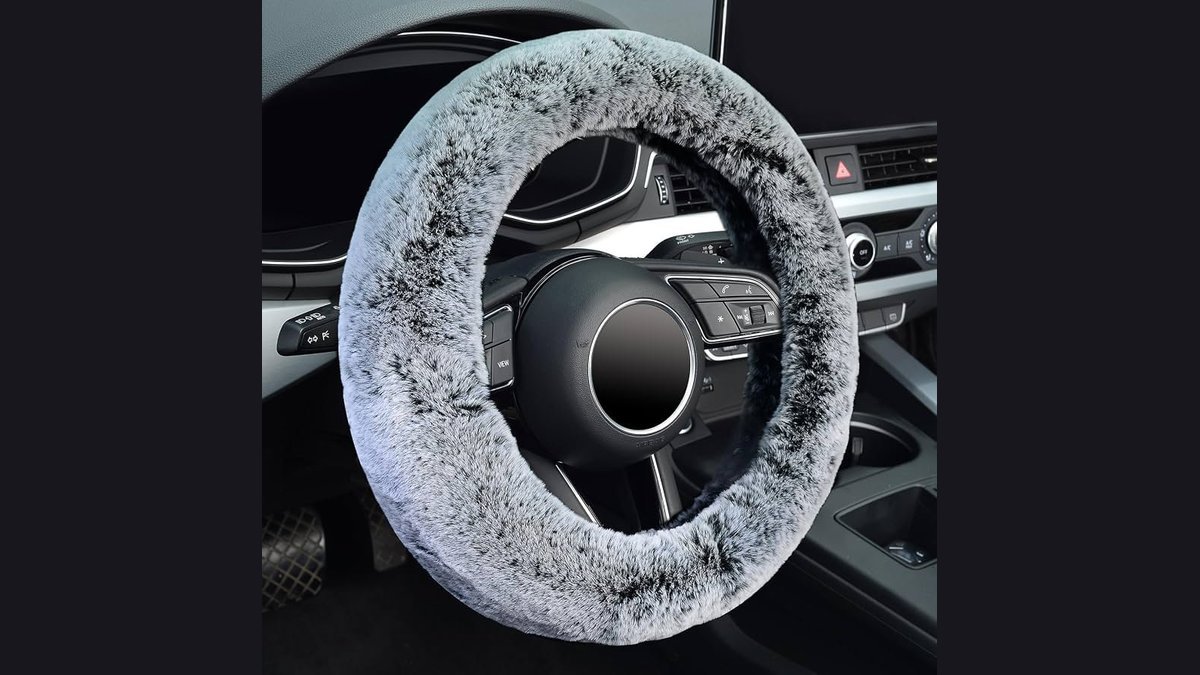
No, steering wheel covers aren’t universal, as they come in many different sizes to fit the specific diameter and thickness of your vehicle’s steering wheel. Because car manufacturers use varying dimensions for their steering components, a cover designed for a small sedan will rarely fit a large truck or an SUV. You must measure your current wheel to ensure you buy a cover that fits snugly, as a loose cover can be dangerous while driving.
Choosing universal steering wheel covers
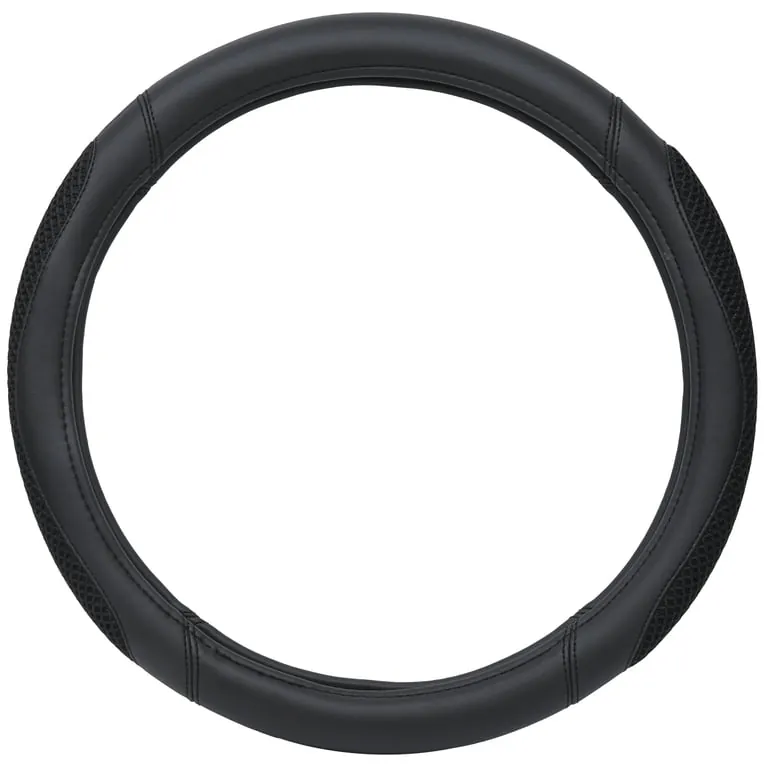
Measure the outer diameter of the steering wheel from edge to edge at the widest point. Use a rigid tape measure rather than a cloth one to avoid sagging, which can lead to a half-inch error.
Check the grip circumference by wrapping a piece of string around the wheel rim and measuring it. If your measurement exceeds 4 inches, you require a “thick grip” cover. Standard passenger car steering wheels usually measure between 14.5 and 15.5 inches in diameter.
Trucks and heavy vehicles often use larger wheels, sometimes exceeding 16 inches in diameter. Always verify your car’s specific steering wheel size in the owner’s manual before purchasing a cover.
Many drivers mistakenly buy a “universal” size based solely on the vehicle class. If the cover feels loose after installation, don’t use it, as it may slip during sharp turns. If the material bunches or rotates under firm pressure, the cover is too large. In that case, return it for a smaller size rather than attempting to secure it with adhesive or tape.
Why steering wheel sizes aren’t the same
Steering wheels are built to different specifications based on the vehicle’s design, intended use, and safety requirements. A steering wheel in a performance car is often smaller and thicker to give the driver more precise control. Conversely, a steering wheel in a commercial truck is typically larger to provide better leverage and visibility for the driver. These structural differences mean that a one-size-fits-all product can’t safely accommodate the variety of wheel geometries found on the road today.
The National Highway Traffic Safety Administration emphasizes that any aftermarket equipment must not interfere with the safe operation of your vehicle. A steering wheel cover that’s too large will rotate independently of the wheel itself. This failure to grip the wheel can lead to a total loss of steering control during emergency maneuvers. Drivers should ensure that all parts of the vehicle, including steering components, are free of obstructions and properly maintained for safe operation.
Measure your wheel’s diameter from the outside edge to the opposite outside edge. If your measurement falls between two standard sizes, always choose the smaller cover to ensure a tight, non-slip fit. A cover that requires significant effort to stretch into place is safer than one that slides on easily. If the cover rotates even a fraction of an inch under firm hand pressure, discard it immediately.
You should also consider the thickness of the wheel rim. Some steering wheels have molded thumb rests or contoured grips that change the thickness at different points. A cover might fit the diameter perfectly but fail to stretch over these thicker sections. If the material doesn’t have enough elasticity to conform to these shapes, it will leave gaps or bunch up. These inconsistencies create pressure points that can be uncomfortable for your hands during long trips.
When the size requirement changes
The standard size of 14.5 to 15.5 inches covers most common passenger vehicles, but you’ll find many exceptions. If you drive a specialized vehicle, you need to verify the measurements manually rather than relying on standard retail labels.
| Vehicle Type | Typical Diameter | What to do instead |
|---|---|---|
| Compact cars | 14.0 – 14.5 inches | Measure the exact outer rim |
| Standard sedans | 14.5 – 15.5 inches | Check the manufacturer specification |
| Heavy-duty trucks | 16.0 – 18.0 inches | Measure the wheel thickness |
| Performance vehicles | 13.5 – 14.0 inches | Look for model-specific covers |
| Vintage cars | Varies widely | Use a custom-fit leather wrap |
Most drivers make the mistake of using the vehicle’s tire size to estimate wheel diameter. This leads to covers that are either too loose to grip or impossible to stretch over the rim. Always use a flexible tailor’s tape to measure the outer circumference of the steering wheel at its thickest point.
If your measurement falls between two standard sizes, prioritize a tighter fit. A cover that slips during a sharp turn creates a dangerous loss of control. If you have a heated steering wheel, avoid thick, insulating materials. They trap excessive heat and can trigger the safety shut-off sensors in your vehicle’s electrical system.
Steps for choosing and installing a cover
Use a flexible measuring tape to find the outer diameter of your steering wheel. Measure straight across the center from the outer edge to the opposite outer edge. Most standard passenger vehicles require a cover between 14.5 and 15.5 inches.
Measure the thickness of the steering wheel rim by wrapping a string around it and measuring that length. If the circumference exceeds 4 inches, you need a heavy-duty or “thick grip” cover. Standard covers will leave a visible gap on these larger rims, which creates a dangerous sliding hazard during turns.
Check the packaging for a specific size range. If your measurement falls outside the printed range, don’t force the fit. A cover that’s too tight will eventually split at the seams, while a loose cover will rotate independently of the wheel, causing you to lose control in an emergency.
If the weather is cold, keep the cover in a warm room for one hour before installation. The material becomes significantly more flexible when warm, making it easier to stretch over the rim. You can also use a hair dryer on a low setting for two minutes to soften synthetic leather.
Start by placing the top of the cover over the top of the steering wheel. Hold it firmly in place and stretch the sides down simultaneously. Work your way toward the bottom, pulling the final section over the rim with both hands.
Use your palms to press the material into place rather than your fingertips to avoid tearing the fabric. Once installed, check that the cover is centered and doesn’t shift when you apply firm pressure. If it slides, remove it and re-center the grip immediately.
The mistakes that ruin the fit
Buying a cover based on the vehicle’s model year rather than physical measurements often leads to a poor fit. Manufacturers frequently update steering wheel diameters mid-cycle, meaning a cover designed for a 2022 model may hang loose on a 2023 version. Always wrap a flexible tape measure around the wheel’s grip circumference and measure the outer diameter before purchasing.
Installing a cover that’s too large creates a dangerous situation where the material shifts during sharp turns. If you feel even a millimeter of movement under your palm, the cover is a hazard. Conversely, forcing a cover that’s too small can snap the internal stitching or permanently scar the wheel’s original leather.
You’re likely to damage the wheel’s finish. Finally, failing to center the seams causes uneven wear, which eventually forces the wheel to feel unbalanced during highway driving.
Frequently asked questions
Can I use a steering wheel cover if my car has a heated wheel?
Yes, you can use a cover, but it will significantly reduce the effectiveness of the heating element. The thickness of the cover acts as an insulator, preventing the heat from reaching your palms. If you choose to use one, look for covers specifically labeled as compatible with heated steering wheels. Most standard heavy-duty covers will block almost all of the warmth generated by the wheel’s internal heating system.
How do I know if my steering wheel cover is safe?
The cover is safe if it remains completely stationary when you apply firm pressure and attempt to rotate it. If you can move the cover even a small amount by hand, it’s too loose and poses a safety risk. A safe cover should feel like a permanent part of the wheel. If you feel any slippage while driving, remove it immediately to prevent a loss of control.
Why is my new steering wheel cover so hard to put on?
It’s difficult to install because the material must be tight to grip the wheel securely. This tension is necessary to prevent the cover from spinning while you’re turning the wheel. If the cover went on easily, it would be too loose to be safe. You can improve the process by warming the cover in a sunny spot or a warm room for 30 minutes before you start.
Does it matter if I have a D-shaped steering wheel?
Yes, you need a specialized cover because standard round covers don’t fit the flat bottom of a D-shaped steering wheel. These custom covers are engineered to match your wheel’s unique geometry, ensuring a secure and safe fit. Avoid using round covers, as they will bunch up and create a dangerous, loose grip.
How often should I replace a steering wheel cover?
You should replace the cover when you notice signs of wear, such as cracking, peeling, or loss of grip texture. The exact lifespan varies based on how much you drive and the exposure to sunlight, which breaks down materials over time. If the cover starts to slide or if the material feels sticky, it’s time for a replacement. Inspect the condition of the cover every time you clean your car’s interior.
What happens if the steering wheel cover slips while driving?
A slipping cover can cause you to lose your grip during a turn, which is extremely dangerous. If the cover moves, it can also block your hands from reaching the turn signal or other controls. You should never drive with a cover that shows any signs of movement. If this happens while you’re on the road, pull over safely and remove the cover until you can find a proper replacement.
Conclusion
Your steering wheel is the primary tool for controlling your vehicle, so it’s vital that any addition to it’s secure. A properly fitted cover should feel like a natural extension of the wheel itself. Always verify your measurements before buying, and if you can’t find a cover that fits perfectly, it’s better to use the wheel without one than to compromise your grip and safety.