
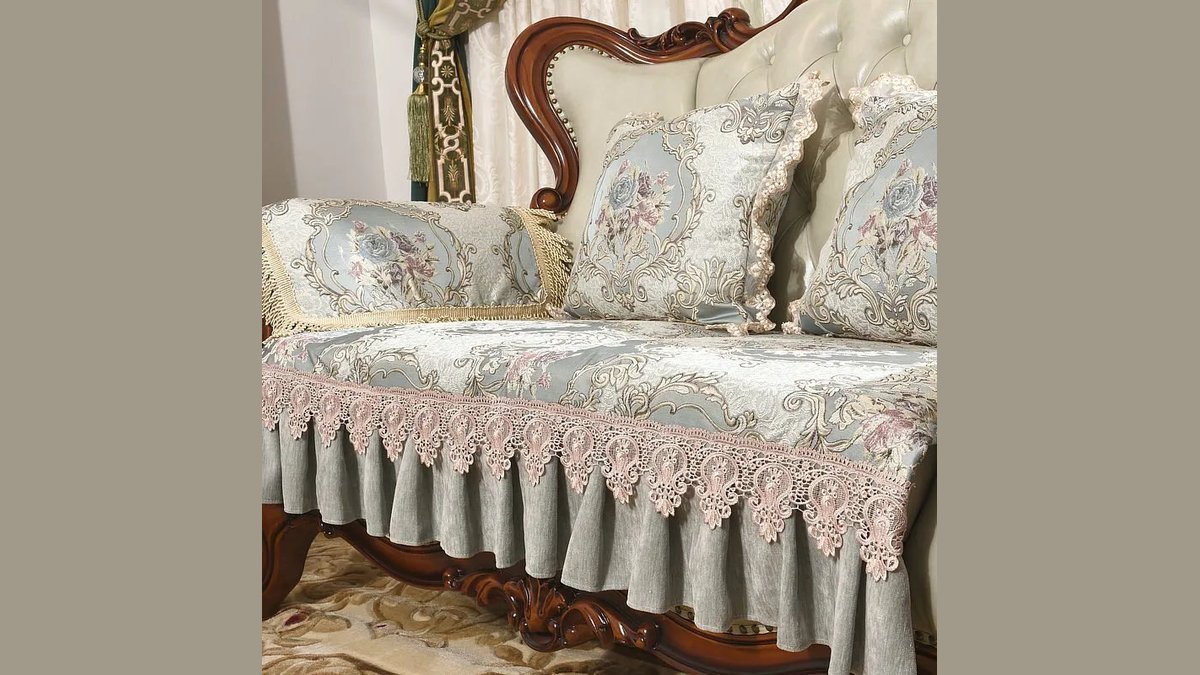
The most effective way to protect your furniture is to invest in high end sofa covers that utilize heavy-duty, machine-washable textiles like high-thread-count cotton or performance velvet. These premium options typically range from $200 to $600 per unit, depending on the dimensions and the specific fabric weave required for a secure fit. This guide covers how to measure your furniture, select the right material for your lifestyle, and maintain your covers to ensure they last for several years.
Why High End Sofa Covers Matter
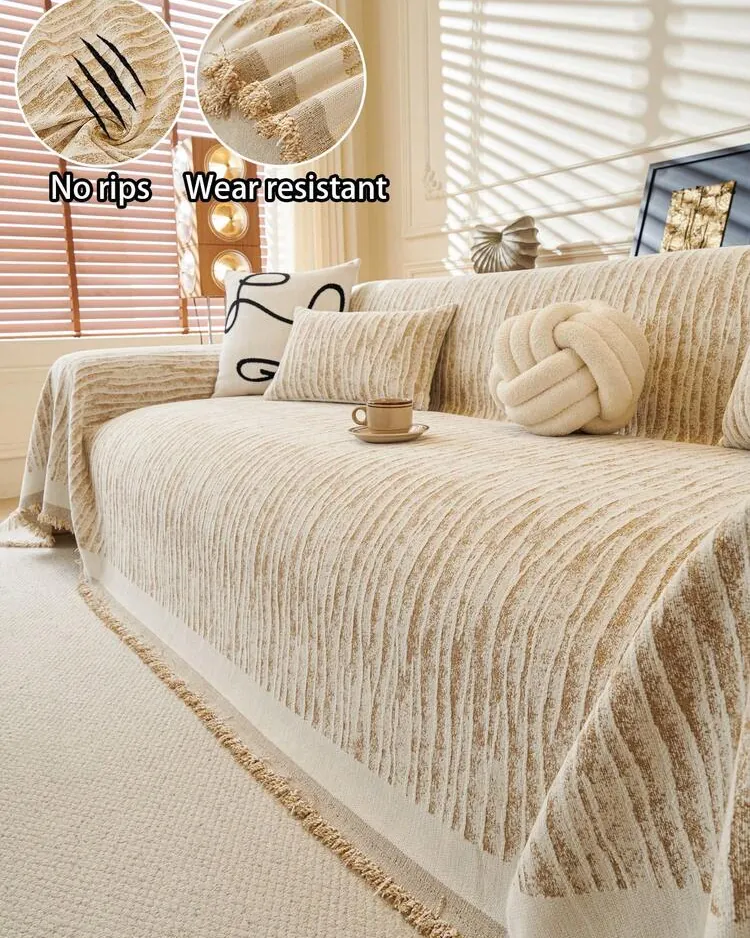
These covers are custom-fitted or high-quality slipcovers designed to shield expensive upholstery from spills, pet hair, and daily wear. Unlike cheap, thin fabrics that slide off or bunch up, these products use structured weaves and internal elastic bands to stay in place. They’re meant for people who want to preserve the look of a designer sofa while keeping it functional for a busy household.
A common misconception is that all covers are waterproof. In reality, most high-end fabrics are treated with a water-repellent finish rather than being fully plasticized. This means they will resist liquid long enough for you to wipe it away, but they aren’t designed to be submerged.
Measuring and Installing Your Covers
Proper installation is the only way to get a professional look. If the cover is too loose, it will look messy; if it’s too tight, the seams will eventually tear under tension.
- Measure the back width of your sofa from the outside of one arm to the other.
- Measure the height from the floor to the top of the back cushion.
- Determine the depth of your seating area by measuring from the front edge of the seat to the back cushion.
- Compare your measurements against the manufacturer’s size chart to select the correct fit.
- Drape the cover over the frame, starting from the back and moving toward the front.
- Tuck any excess fabric deep into the crevices between the cushions and the frame to create a clean line.
- Secure the elastic straps or ties underneath the sofa base to prevent the fabric from shifting when you sit.
The key judgment call is how much “tuck” you leave in the seams. If you pull the fabric too tight, it will snap back out when someone sits down; if you leave enough slack to push deep into the frame, the cover will stay secure even with daily use. If you have a custom-shaped or antique sofa, professional upholstery services are safer than trying to force a standard cover onto a frame it wasn’t made for.
Essential Specifications and Choices
Selecting the right material determines how your cover handles daily life. Use this table to match your needs to the best fabric type.
| Situation | What to use | How long | What to watch for |
|---|---|---|---|
| High pet traffic | Heavy-duty canvas | 3-5 years | Snags and claw pulls |
| Frequent spills | Performance velvet | 2-4 years | Liquid beads on top |
| Daily lounging | Brushed cotton | 3-4 years | Fading in direct sun |
| Formal living | Linen-blend | 4-6 years | Wrinkling at seams |
| Budget focus | Polyester-spandex | 1-2 years | Pilling on the seat |
If your furniture sits in a room with direct southern exposure, avoid cotton blends entirely. UV rays break down natural fibers in under eighteen months, leaving the fabric brittle. Choose a solution-dyed acrylic instead to maintain color integrity for up to seven years.
When choosing between performance velvet and canvas, consider your cleaning capacity. Velvet requires a vacuum attachment to remove trapped dust, while canvas needs a machine wash to prevent deep-set grime. Maintenance frequency depends on your specific use, so consult your owner’s manual for the manufacturer’s official guidance. Always measure your frame twice before ordering.
Achieving a Professional Fit
Experienced users focus heavily on the “anchor points” of the sofa. They don’t just throw the cover over the top and hope for the best. Instead, they use foam grip rods or fabric tuck-in tools to push the material deep into the frame’s gaps. This prevents the fabric from pulling out when people shift their weight.
Another detail that separates a good result from a bad one is the order of operations. Always start by aligning the center seam of the cover with the center of the back cushion. If you start from one side, the entire cover will be crooked by the time you reach the other arm. Once the back is centered, work your way down the arms and finish by securing the bottom edge.
Solving Common Cover Problems
If your cover keeps popping out of the cushions, you likely need more grip. Avoid using pins or nails, as these can permanently damage the fabric of the sofa underneath.
| What you notice | What it usually means | What to do first |
|---|---|---|
| Fabric slides off | Wrong size chosen | Use heavy-duty sofa grips |
| Wrinkles appear | Fabric is too loose | Tighten the bottom straps |
| Stains don’t lift | Wrong cleaning agent | Check the care label |
| Seams feel tight | Excessive tension | Loosen the base ties |
Most users fail by tucking only the surface fabric. Instead, roll a pool noodle or a length of foam tubing into a tight cylinder and shove it deep into the crevice behind the seat cushion. This creates a physical anchor that prevents the fabric from creeping upward.
If you have a T-shaped cushion, the cover will inevitably shift at the corners. In this case, use upholstery twist pins with clear heads to secure the fabric to the frame’s wooden base. If the cover remains loose after tightening, your sofa is likely too small for the cover size; return it for a smaller model before the constant friction wears down your original upholstery.
Safety and Regulatory Standards
When choosing covers, you must consider the flammability of the material. Many modern fabrics are treated to meet specific fire safety codes, which is vital if your sofa is placed near a fireplace or in a high-traffic area. Always verify that the manufacturer follows the standards set by your local fire authority.
If you’re buying for a commercial space or a rental property, the rules are stricter. You may be required to provide a certificate of flame resistance for the textiles used. Never attempt to apply your own chemical fire retardants at home, as this can ruin the fabric’s texture and may not meet legal safety requirements. If you’re unsure about the safety of a specific fabric, contact the manufacturer directly to request their safety documentation.
Maintaining Your Investment
To keep your covers in good condition, wash them only when necessary. Frequent washing weakens the fibers and can strip away water-repellent finishes. Most high-end covers should be washed on a cold, gentle cycle to prevent shrinking. Always air-dry them instead of using a high-heat tumble dryer, as heat is the primary cause of elastic degradation.
If you notice the fabric looking dull or dusty, a simple vacuum attachment is usually enough to refresh the look. If a spill occurs, act immediately by blotting the area with a clean, dry cloth. Never rub the spill, as this pushes the liquid deeper into the fibers. Once the cover reaches the end of its life, which is usually indicated by thinning fabric or loose elastic, it’s time to replace it rather than attempting to repair the seams.
When to Seek Alternatives
Sometimes, a sofa cover isn’t the right choice for your furniture. If your sofa has a unique, non-standard shape—such as a curved back or a chaise lounge with a very specific arm design—a standard cover will never look correct. In these cases, you should hire a professional upholsterer to create a custom slipcover.
If your sofa frame is already broken or the internal springs are failing, a cover will only hide the problem temporarily. It’s better to invest in a repair for the frame before spending money on a high-end cover. If you prefer the look of a bare sofa, consider using individual arm covers and seat protectors instead of a full-body slipcover to maintain the aesthetic while still providing protection.
Frequently asked questions
How long do high end sofa covers last?
High-traffic areas with pets or children will naturally reduce durability compared to formal living room settings.
Can I machine wash my sofa covers?
Yes, most high-end covers are machine washable, but you must use a cold, gentle cycle. Always check the care label first to ensure the fabric doesn’t require professional dry cleaning. Never use high heat in the dryer, as this will damage the elastic and cause the fabric to shrink.
How do I stop sofa covers from slipping?
Use foam grip rods or fabric tuck-in tools to push the material deep into the crevices of the sofa frame. These tools hold the fabric firmly in place even when people sit and stand. Properly tightening the elastic straps underneath the sofa also prevents the cover from shifting.
Is it safe to use sofa covers on leather?
Yes, but you should use a non-slip liner underneath to prevent the cover from sliding around on the smooth leather surface. Leather can be slippery, so a textured rug pad or a specialized non-slip fabric layer is necessary to keep the cover in the correct position.
What happens if I wash the cover in hot water?
Washing in hot water will likely cause the fabric to shrink, making it impossible to fit back onto your sofa. High heat also breaks down the elastic fibers, which will cause the cover to lose its shape and grip over time. Always stick to cold water as recommended.
How much do custom sofa covers cost?
Custom sofa covers typically cost between $800 and $2,000 based on fabric choice and furniture complexity. This premium price ensures a tailored fit for non-standard shapes that store-bought options can’t match. Contact a local upholstery shop to receive an accurate quote for your specific project.
Conclusion
Choosing the right fabric is a smart investment that keeps your living room looking fresh and inviting for years. Once you’ve picked your favorite style, don’t wait to order a few fabric swatches to test in your home. You’ll love how a simple change makes your space feel brand new again.