
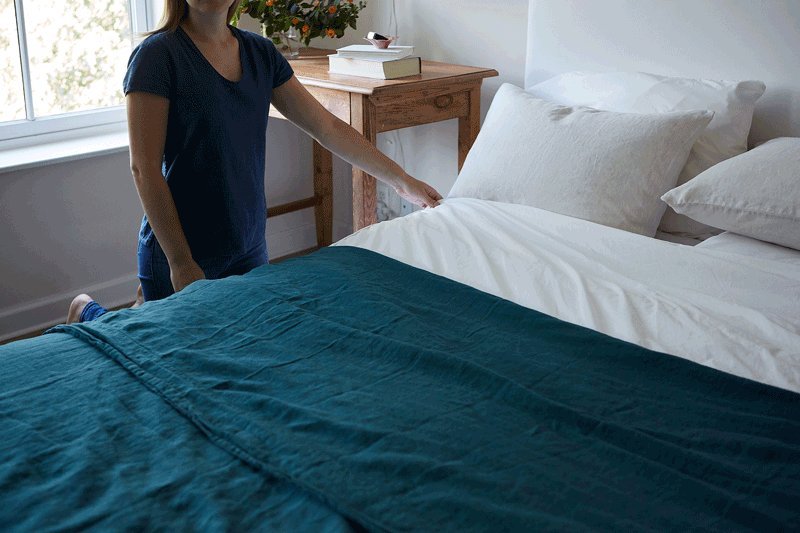
You can absolutely use a duvet cover without an insert, and doing so transforms your bedding into a lightweight, breathable flat sheet or a decorative throw. While these covers are engineered to house a thick, quilted insert, they’re essentially oversized, fabric-based envelopes that function perfectly well as standalone top layers. During warmer months or in humid climates, this minimalist approach provides a tidy, finished look for your bed without the excessive thermal retention of a traditional comforter or duvet.
Key Takeaways
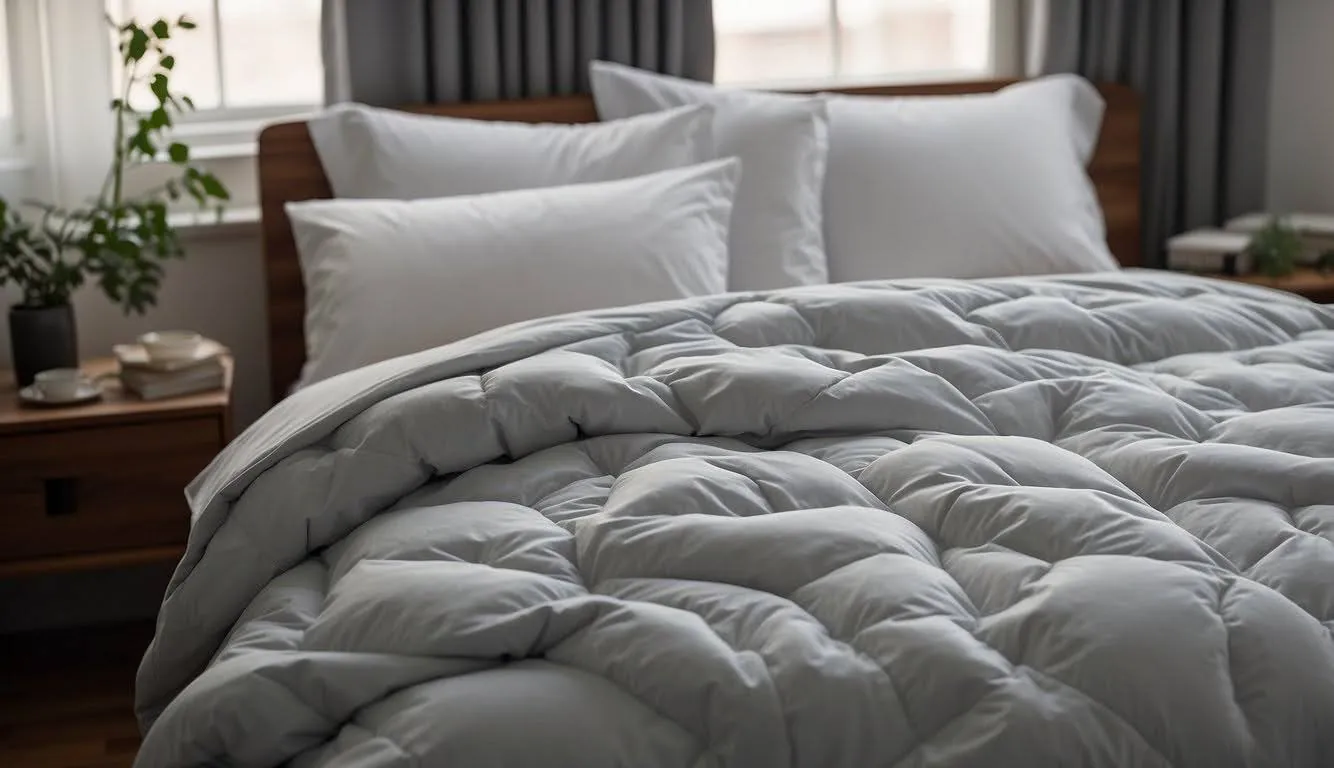
- Duvet covers act as oversized top sheets when used without an insert, providing a clean, aesthetic layer.
- Linen and cotton covers are the best materials for standalone use due to their natural breathability and soft texture.
- You can prevent the cover from sliding by tucking the excess fabric under your mattress or using bed clips.
- Empty covers are significantly easier to launder and dry than full comforters, saving time and energy.
- Layering a thin blanket underneath allows you to customize warmth while maintaining the clean look of the cover.
Can You Use A Duvet Cover Without An Insert?
Yes, you can use a duvet cover without an insert as a functional and stylish bedding component. Many people prefer this method during the summer because standard duvets are often too heavy for hot nights. By removing the insert, you reduce the overall weight of your bedding, allowing for better airflow. If you find your current sleep setup too stifling, an empty duvet cover offers a middle ground between sleeping with nothing and sleeping under a thick layer of insulation.
Because these covers are made from two layers of fabric stitched together at the edges, they drape similarly to a heavy flat sheet. If you choose a high-quality material, such as long-staple cotton or European flax linen, the cover will feel substantial against your skin. This is a common practice in many European households where the “duvet cover as a sheet” approach is a standard way to manage seasonal temperature changes.
Benefits Of An Empty Cover
Using your cover solo offers several practical advantages beyond temperature control. The most significant benefit is the ease of maintenance. Traditional inserts, especially those filled with down or synthetic polyester, often require professional cleaning or specialized large-capacity machines. An empty duvet cover, however, fits easily into any standard home washing machine.
- Faster Drying: Without the dense filling, the fabric dries in a fraction of the time, preventing musty odors.
- Storage Efficiency: A folded, empty cover takes up no more space than a standard bed sheet.
- Design Flexibility: You can rotate your bedroom aesthetic frequently without needing to store bulky, expensive down alternatives.
- Hypoallergenic Benefits: By eliminating the dust-trapping interior of a traditional insert, you may reduce respiratory irritants.
Best Materials For Standalone Use
When you remove the insert, the tactile experience of the fabric becomes the primary focus. You want materials that are soft, breathable, and aesthetically pleasing since the cover is no longer being stretched tight by a thick interior.
| Material | Breathability | Texture | Best For |
|---|---|---|---|
| Linen | High | Textured/Crisp | Hot Sleepers |
| Percale Cotton | Very High | Crisp/Matte | Summer Months |
| Sateen Cotton | Moderate | Silky/Smooth | Luxury Feel |
| Bamboo Rayon | Extremely High | Soft/Cooling | Temperature Regulation |
Linen is widely considered the gold standard for this method. Its natural fibers allow for maximum air circulation, and the slight weight of the double-layered fabric keeps it from feeling flimsy. According to guidelines on textile composition provided by the Federal Trade Commission on Care Labeling, understanding the fiber content of your bedding ensures you maintain the fabric’s integrity during frequent washing cycles.
Tips For Preventing Excessive Shifting
One common complaint when using a cover without an insert is that the fabric can feel like it’s sliding off the bed or bunching up. Because there’s no internal bulk to weigh it down, the cover behaves like a large piece of silk or cotton fabric.
Pro Tip: Use decorative bed clips or suspender-style fasteners on the inside corners of the cover to attach it to your bottom sheet or mattress edge, effectively anchoring the fabric so it stays in place throughout the night.
You can also try the “tuck-in method.” If your cover is slightly larger than your mattress, tuck the extra fabric under the sides of the mattress just as you would with a flat sheet. This creates a crisp, hotel-style appearance that looks intentional rather than messy.
If you have a duvet cover with buttons or a zipper at the bottom, keep that closure facing the foot of the bed to prevent it from scratching your face or neck during the night.
Styling Your Bed With Empty Covers
Without an insert, the duvet cover may look flat. To compensate for the lack of volume, you should focus on layering textures. Use a thin, high-quality coverlet or a quilt underneath the empty cover to provide a slight boost in height and warmth. This allows you to achieve the “layered look” seen in interior design magazines while keeping the breathable, lightweight feel of the cover on top.
- Decorative Pillows: Use shams that match the duvet cover to unify the look.
- Throw Blankets: Drape a chunky knit throw across the foot of the bed to add visual weight.
- Color Blocking: Mix a solid-colored empty cover with patterned sheets to create depth.
- Bed Skirts: Since the cover won’t drape all the way to the floor without an insert, a bed skirt helps hide the mattress frame.
Laundering Your Empty Duvet Cover
Because you’re using the cover directly against your skin, it will collect body oils and sweat faster than a decorative cover would. You should aim to wash your cover once every week or two. Follow these steps to keep the fabric in top condition:
- Check Fasteners: Always close all buttons or zippers before placing the cover in the machine to prevent them from snagging on the fabric.
- Turn Inside Out: This protects the outer surface from fading and ensures the inner seams get a thorough cleaning.
- Use Gentle Detergent: Avoid harsh bleaches which can break down the fibers of cotton or linen over time.
- Low Heat Drying: If you use a machine dryer, select a low-heat setting. Over-drying can cause natural fibers to become brittle.
Warning: If your duvet cover is made of delicate silk or high-end embroidered cotton, avoid high-heat cycles entirely, as this can cause the fabric to shrink or the delicate decorative elements to fray prematurely.
When To Reintroduce An Insert
While the empty cover method is excellent for summer, there will likely be times when you want the warmth of a traditional duvet. You don’t have to choose one way forever. Many people switch their bedding setup based on the season.
| Season | Bedding Strategy |
|---|---|
| Spring | Empty cover with a light throw |
| Summer | Empty cover only |
| Autumn | Cover with a thin, lightweight insert |
| Winter | Cover with a high-loft down insert |
If you live in a climate with extreme temperature fluctuations, keep your insert stored in a vacuum-sealed bag. This saves space and keeps the fill clean and free of dust mites until you’re ready to use it again.
Essential Tools For Bedding Maintenance
If you decide to make the empty cover a permanent part of your bedroom routine, consider investing in a few accessories that make the process easier. These items help bridge the gap between a decorative cover and a functional sheet.
- High-Quality Bed Clips: These are essential for keeping the cover from sliding off the mattress during the night.
- Wool Dryer Balls: These help soften the fabric of the cover as it dries, which is especially helpful for linen that tends to get stiff.
- Fabric Refreshers: A light mist of linen spray can keep the cover smelling fresh between washings.
- Storage Bags: Breathable cotton or canvas bags are better for storing your unused inserts than plastic, which can trap moisture and cause mildew.
Troubleshooting Common Issues
Even with the best intentions, you might run into minor issues when using a cover solo. Here is how to handle the most frequent problems:
- The Cover Feels Too Slippery: If your cover is made of sateen or silk, it might slide off the bed. Switch to a matte cotton or linen cover for more grip.
- Visible Seams: If you find the internal stitching looks messy, turn the cover inside out and use a fabric steamer to press the edges flat.
- Closure Visibility: If the buttons at the bottom look unsightly, fold the bottom edge of the cover under itself once, creating a clean, seamless hem.
- Static Electricity: In dry winter air, empty covers can become static-prone. Use a fabric softener or an anti-static spray on the inside of the cover to mitigate this.
Frequently Asked Questions
Is it hygienic to use a cover without an insert?
Yes, it’s perfectly hygienic provided you wash the cover regularly. Because the cover acts as your primary contact layer, it functions similarly to a flat sheet. You should treat it as such and launder it at least once every two weeks to remove skin cells, sweat, and oils. Washing it frequently is actually easier than cleaning a full, heavy comforter.
Does an empty duvet cover look messy?
It can look messy if it isn’t styled correctly, as it lacks the loft of a full duvet. To prevent a “flat” appearance, ensure the cover is properly tucked at the sides or edges. Using a coordinating quilt or blanket underneath adds the necessary volume to make the bed look “dressed” and professional rather than just covered with a piece of fabric.
Will the cover stay on the bed all night?
Without the weight of an insert, an empty duvet cover is prone to shifting. To keep it in place, use bed suspenders or clips to attach the corners of the cover to your fitted sheet or the mattress itself. Alternatively, tucking the sides of the cover firmly under the mattress, similar to how you would with a heavy flat sheet, will help keep it secure.
Can I use any duvet cover for this?
You can use almost any duvet cover, but some materials work better than others. Cotton percale, linen, and brushed cotton are ideal because they have enough structure to drape nicely without an insert. Very thin, slippery polyester or silk covers may slide around too much and feel less comfortable against the skin, making them less suitable for use as a standalone top layer.
Does this save money on bedding?
It can save money by reducing the need for multiple sets of seasonal bedding. Instead of buying a light summer blanket and a heavy winter comforter, you can purchase one high-quality duvet cover and one seasonal insert. By using the cover alone in the summer and adding the insert in the winter, you maximize the utility of your existing items and minimize your total investment in home textiles.
Conclusion
Transitioning to this minimalist bedding style allows you to simplify your laundry routine while maintaining a polished look in your bedroom. Start by removing your insert tonight and seeing how the fabric drapes on your bed. If you enjoy the lightweight feel, you can refine the look by adding a thin quilt underneath or using clips to secure the edges for a perfectly crisp, hotel-inspired finish that stays put all night.