
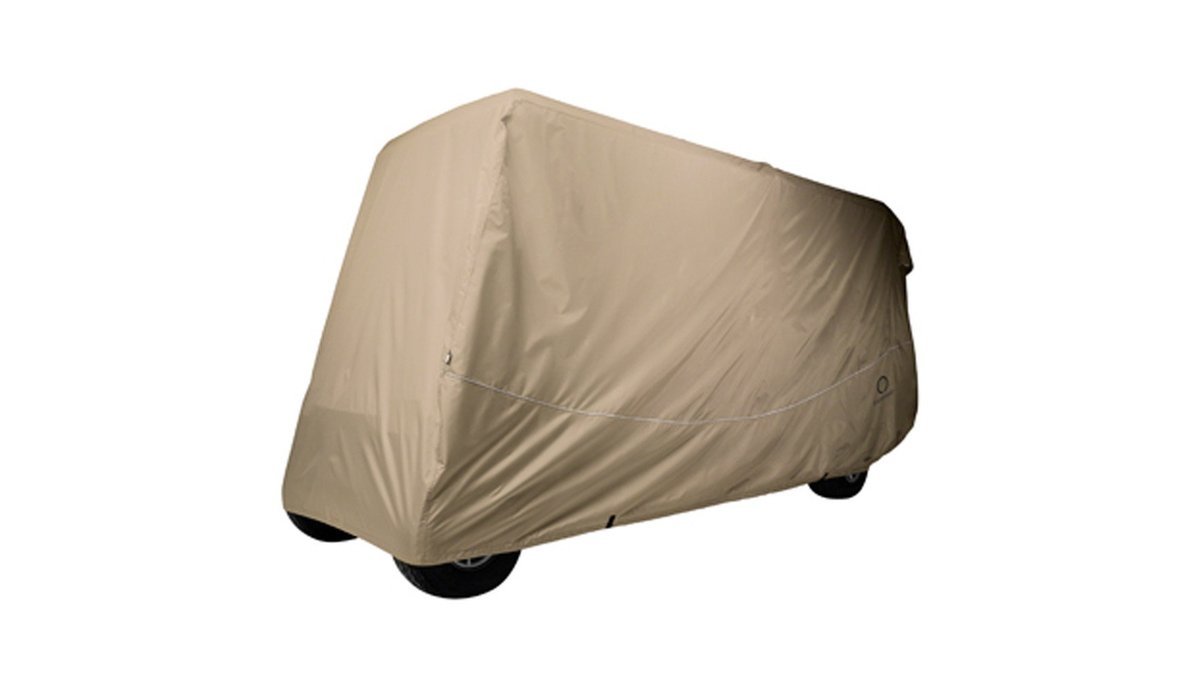
If your cover shows visible tears, dry rot, or lets water pool on the roof, you should replace your heavy duty golf cart cover instead of trying to patch it. A repair is only worth the cost if the fabric is still strong enough to hold a new seam and the zippers function smoothly. If the material feels brittle or snaps when you pull it, the sun has likely broken down the polymers, and no amount of tape or sewing will stop the next leak.
Choosing between repair and replacement
| If this is true | Repair | Replace |
|---|---|---|
| Zipper is stuck | Clean and wax | Replace cover |
| Small rip under 2 inches | Patch with kit | Keep using |
| Fabric snaps when pulled | Not possible | Replace immediately |
| Water leaks through roof | Not possible | Replace immediately |
| Cover is over 4 years old | Not possible | Replace immediately |
| Under manufacturer warranty | Contact support | Don’t repair |
Apply the fifty-percent rule to determine if a repair is worth the investment. If the cost of parts and professional labor exceeds half the price of a new unit, skip the shop and buy a replacement.
Most owners make the mistake of attempting DIY patches on structural seams. These repairs rarely hold under tension and often cause the surrounding fabric to tear further, ruining the entire cover. If the damage sits on a load-bearing seam, professional stitching is the only viable path.
Check for UV degradation by rubbing your thumb firmly against the material. If a fine, chalky powder transfers to your skin, the polymers have broken down beyond recovery. No amount of patching will save fabric in this state. In this case, immediate replacement is necessary to prevent a total collapse during the next heavy storm or high wind event.
When repairing is the right call
You should only consider repairing your cover if the damage is limited to a small, isolated area while the rest of the material remains flexible and thick. A clean, straight tear from a sharp branch or a fence corner can often be fixed with a dedicated marine-grade repair tape or a heavy-duty adhesive patch. These kits are inexpensive relative to buying a new cover, and they can extend the life of a cover by another season.
The best way to check if a patch will hold is the “pinch test.” Grab a piece of the fabric near the tear and pinch it firmly between your thumb and index finger. If the fabric feels soft and pliable, it still has enough structural integrity to hold an adhesive.
If the fabric feels like thin paper or cracks under your pressure, the material is failing across the entire surface. In that case, a patch is a waste of money because the fabric around it will simply tear again within a few weeks.
Always ensure the area is perfectly clean and dry before applying any adhesive. Use a mild soap and water solution to remove dust and oils, then let it air dry for at least 2 hours in the shade.
If you try to apply a patch to a dusty surface, the bond will fail the first time the wind picks up. For larger tears, you might need to use a needle and heavy-duty nylon thread to reinforce the edges before applying the patch over the top.
When replacing is the right call
Replacing the unit is necessary when the material has reached the end of its functional life or the damage is widespread. Once a cover begins to show “sun bleaching,” where the color fades and the surface feels chalky, the UV protection is gone. Ultraviolet radiation causes chemical changes in materials that lead to permanent structural degradation. Once that process starts, the cover will continue to fall apart regardless of how many small holes you fix.
If you find that your cover is leaking in multiple places, or the internal lining is shedding onto your golf cart seats, it’s time to start fresh. Attempting to repair multiple holes usually results in a cover that’s more tape than fabric, which makes it heavy, stiff, and prone to blowing off in high winds.
Furthermore, if the elastic hem at the bottom has lost its tension, the cover will flap violently against the cart. This constant motion acts like sandpaper against the cart’s paint, potentially causing more financial damage to the finish of the vehicle than the cost of a new cover.
Finally, consider the total cost of ownership. If you have already repaired the unit twice, you have likely spent enough on patches and specialized thread to cover 50% of the price of a new, high-quality replacement. Stop throwing money at a failing product. A new cover will provide a snug fit, better water resistance, and the certainty that your cart is actually protected from the elements.
The costs people forget
The time spent scrubbing grime off a weathered cover often exceeds the hourly wage of a new replacement. If you find yourself scrubbing for more than thirty minutes without restoring the original sheen, stop immediately. You’re simply accelerating the breakdown of the remaining UV-resistant coating.
Specialized repair kits rarely hold for more than a single season. These patches create stiff, non-porous zones that force tension onto the surrounding, brittle fabric. This usually causes the material to tear just inches away from your repair within weeks.
A loose cover acts like sandpaper against your cart’s clear coat during high winds. If the fabric ripples audibly, it’s already marring your paint. Secure it with heavy-duty bungees or remove it entirely.
Disposal is the final hidden tax. Most municipal waste services charge a bulky-item fee for oversized synthetic materials, which is inexpensive relative to the cost of a new cover.
Questions to ask before repairing
Before you commit to fixing the unit, ask yourself these questions to determine if the effort is justified.
- Are the zippers fully functional? If the zipper is broken, the cover can’t be secured, which makes it useless in wind.
- Is the fabric brittle or cracking? If it snaps when bent, the material is dead and no repair will hold.
- How many patches are already on the cover? If you have more than three existing patches, the structural integrity is too low to bother.
- Does the manufacturer offer a warranty for this specific failure? Some premium brands cover structural seams for a set time, so check your original receipt.
Repairing complex items like zippers or internal support structures often requires a professional sewing machine and specific technical training. If the work involves sewing through thick, multi-layered fabric, take it to a local upholstery shop. Don’t attempt to use household glue or light-duty tape, as these will melt or peel off in the heat.
Features to look for in a heavy duty golf cart cover
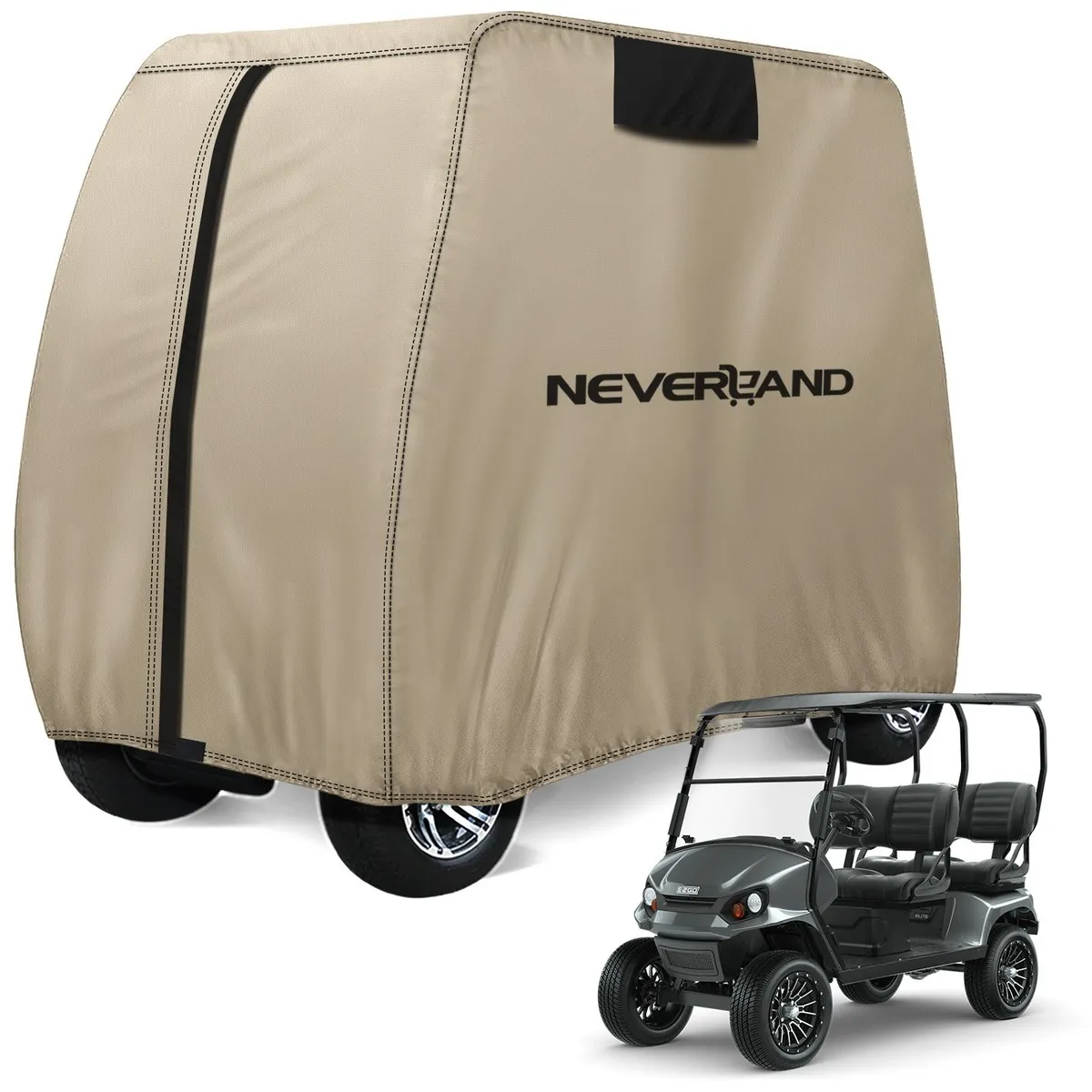
When you decide to replace your cover, focus on materials that offer genuine UV resistance and breathability. Look for “solution-dyed” fabrics, which means the color is built into the fibers rather than just sprayed on the surface. This process prevents the fabric from fading or becoming brittle when left in direct sunlight for long periods. You can check the manufacturer’s official specifications page to see if they list the UV-resistance rating or the denier count of the fabric.
A higher denier count generally indicates a thicker, more durable thread, which helps the cover resist punctures and tears. Additionally, ensure the new cover has well-placed air vents. These vents are essential for preventing moisture buildup inside the cover, which can cause mold or mildew to grow on your cart’s seats. Proper airflow is the single most important factor in preventing the “musty” smell that often plagues poorly ventilated storage solutions.
Finally, check the mounting system. Heavy-duty options often include a combination of elastic hems, adjustable straps, and side-release buckles. These systems allow you to tighten the cover securely against the frame of the cart. If the cover can move, it will eventually wear through at the corners. Always measure the height, width, and length of your specific golf cart model before ordering, as a loose fit is the primary cause of premature material failure.
Frequently asked questions
How long should a quality cover last?
A high-quality cover typically lasts between 3 and 5 years when used in standard weather conditions. The exact lifespan depends on the intensity of local UV exposure and how often you remove or install the cover. You can check the manufacturer’s warranty documentation for their estimated lifespan, as they often provide a specific number of years based on their testing of the fabric’s degradation rate.
Is it safe to use a waterproof spray on an old cover?
It isn’t recommended to use waterproof sprays on an old, degraded cover because the chemicals may react poorly with the failing material. If the fabric is already thin or brittle, the spray won’t restore its strength. Only apply these treatments to new or near-new covers that are explicitly labeled as compatible with the specific chemical compounds in the spray to avoid damaging the finish.
What happens if I use a cover that’s too small?
A cover that’s too small will put constant tension on the seams, causing them to burst open within a few months of use. This tension also makes it difficult to install, which often leads to people pulling or yanking the fabric, causing accidental rips. Check your cart’s dimensions against the manufacturer’s sizing guide to ensure you have at least 2 inches of slack on all sides.
Does the color of the cover affect its lifespan?
Lighter colors generally reflect more sunlight and can stay cooler, which may slightly extend the lifespan of the fabric compared to dark colors. However, the quality of the weave and the UV-stabilizing treatment are far more important than the pigment. Check the product specifications for a “UV-stabilized” rating, as this is the primary indicator of how well the color and material will resist breaking down over time.
How do I stop water from pooling on the roof?
You can stop water from pooling by using a support pole or a tension system that creates a slight slope on the roof of the cart. If the cover is flat, even a small amount of rain will create a heavy, sagging puddle that stretches the fabric. Adjust the straps until the cover is taut enough to allow water to run off the edges instead of collecting in the center.
Is it necessary to clean the cover before storing it?
It’s necessary to clean the cover before long-term storage because dirt, salt, and bird droppings contain acids that slowly eat through protective coatings. Use a soft brush and water to remove debris, then ensure the cover is completely dry before folding it. Storing a damp cover in a tight space for weeks at a time is the fastest way to invite mold growth and permanent fabric rot.
Conclusion
Selecting the right maintenance approach starts with an honest assessment of your current cover’s condition. If the fabric is still strong, a quick fix might save you money; if the material is failing, a new cover is the only way to protect your investment. By focusing on durable materials and proper fit, you ensure your cart stays in top shape throughout the changing seasons.