
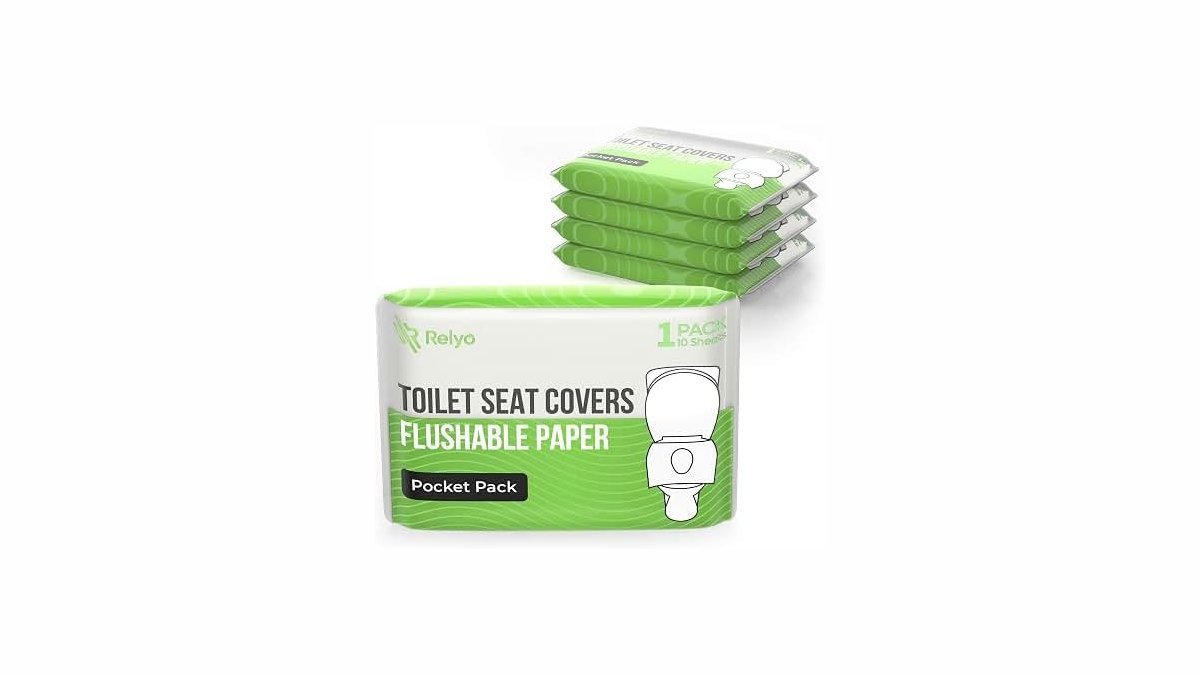
No, most disposable toilet seat covers aren’t flushable because they’re made of thin paper that doesn’t dissolve quickly enough to avoid clogs. While some manufacturers label their products as flushable, the truth is that they often contribute to plumbing blockages in older pipes or low-flow systems. You should treat these covers as trash rather than toilet paper. If you’re ever unsure about the material, it’s safer to throw the cover in the garbage bin.
Quick Facts on Flushable Toilet Seat Covers
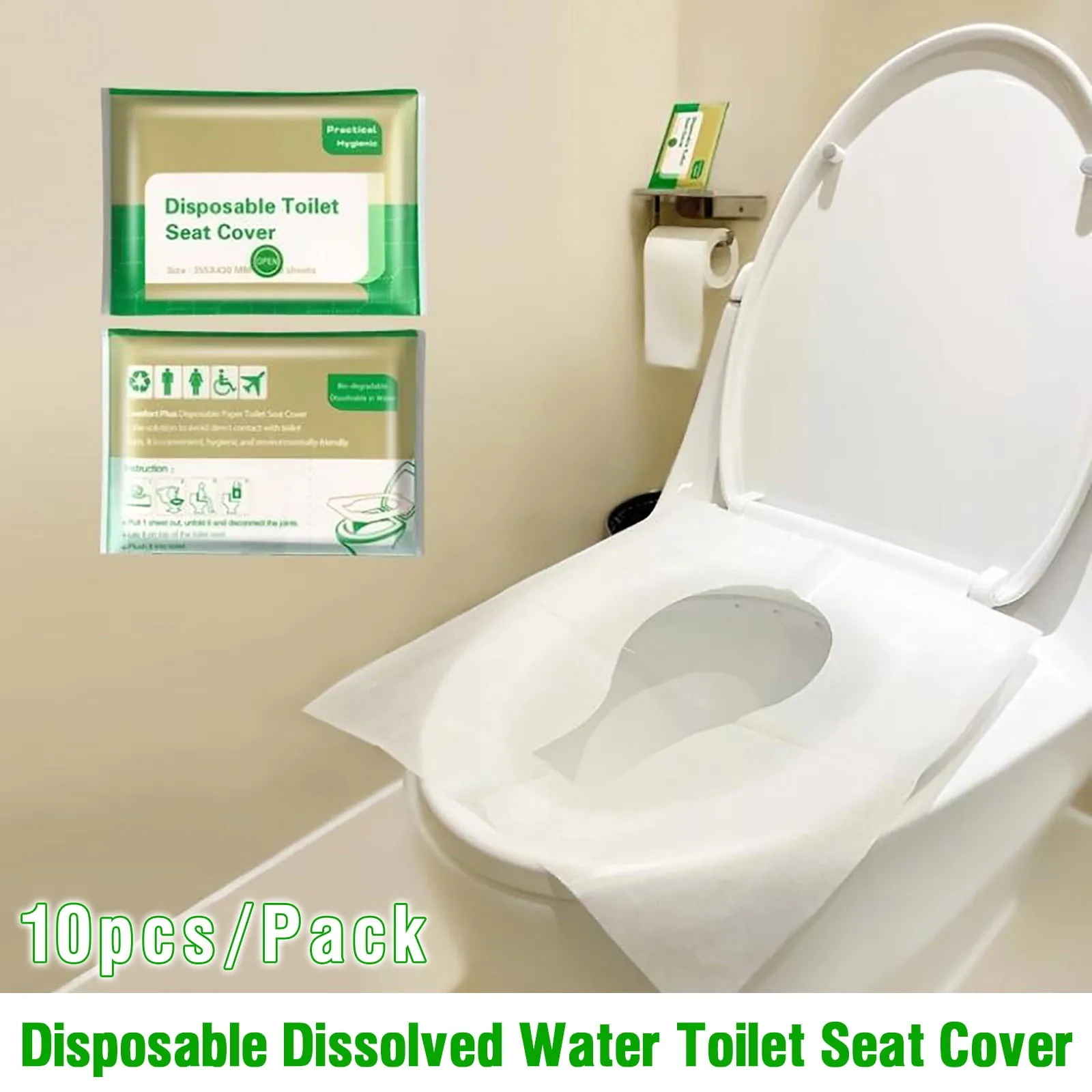
Most paper toilet seat covers aren’t designed to break down in water like standard toilet paper. They often contain wet-strength resins that hold the fibers together long after they leave the bowl.
Plumbing systems with narrow pipes or low-flow toilets are highly prone to clogs from these covers. If your home was built before 1980, assume your pipes have rougher internal surfaces that snag paper. This creates a trap for debris, leading to a backup that can cost hundreds of dollars in professional plumbing services.
Always check the packaging for a “flushable” certification, but treat it with extreme caution if your pipes are old. A certification label is a marketing claim, not a structural guarantee.
Throwing the cover in the trash is the only way to guarantee you won’t face a plumbing bill. If you’re in a public building with high-traffic restrooms, prioritize the bin over the bowl.
Never flush more than one cover at a time, even if the label claims it’s safe. If you must flush, wait for a full tank refill between uses.
Why These Covers Cause Clogs
The main reason for plumbing trouble is the difference between toilet paper and seat cover material. Standard toilet paper is engineered to lose its structural integrity within seconds of contact with water. This process allows the fibers to separate and flow through your home’s drain lines and into the municipal sewer system without snagging on pipe joints or rough spots.
Toilet seat covers, by contrast, are often made of stiffer, more resilient paper fibers to prevent them from tearing while you place them on the seat. This added strength is exactly what makes them dangerous for your plumbing. When you flush one, it doesn’t dissolve instantly. Instead, it travels through the pipes as a solid sheet.
If your home has older cast-iron pipes, which often have rough interior surfaces due to corrosion, the cover can easily snag. Once it gets stuck, it acts as a dam, catching other waste and toilet paper until a complete blockage forms.
Most homeowners mistakenly assume that “disposable” means “flushable.” This error often leads to an expensive professional plumbing snake service. If your home was built before 1970, your pipes likely contain interior scale that acts like Velcro for seat cover fibers, which can trigger a total backup.
You can tell if your system is at high risk by observing the speed of the flush. If the water level rises significantly before receding, your pipes lack the flow velocity to move heavy paper products. In these cases, the paper will settle in the P-trap or the horizontal run of the pipe.
If you use a public restroom, note that many facilities specifically ask you to place used covers in the trash. This isn’t just for cleanliness; it’s a direct attempt to prevent the expensive maintenance costs associated with clearing blocked pipes. If you’re ever in doubt, the safest rule is to treat any paper product that feels thicker than standard two-ply toilet paper as non-flushable waste.
Situations Where Disposal Varies
New plumbing systems often feature smooth, high-grade PVC pipes that resist clogs, yet they lack the structural forgiveness of older, wider cast-iron lines. If your home was built after 2010, you might assume flushability is a given. However, even modern pipes fail when faced with products labeled “flushable” that contain synthetic fibers. If the packaging doesn’t explicitly state it’s safe for your specific pipe diameter, treat it as solid waste.
Septic systems operate on a delicate biological balance that requires a precise ratio of water to solids. If you notice the toilet bowl draining slower than usual, stop flushing paper products immediately to avoid a full system backup.
Low-flow toilets use 1.6 gallons or less per flush, which is rarely enough force to clear heavy-duty paper. If your toilet requires a second flush to clear the bowl, your water pressure is insufficient for anything but basic tissue. In this case, always use a trash bin.
How to Use Seat Covers Correctly
Remove the cover from the dispenser carefully to ensure you only take one sheet. Multiple sheets increase the risk of a clog significantly, especially in older plumbing systems with low-flow toilets.
Place the cover on the seat with the paper tab positioned toward the front of the bowl. This tab is designed to hang into the water, pulling the cover down as the toilet flushes. If the tab stays dry or sits on top of the seat, the cover will likely blow away or bunch up during use.
Use the seat as needed, ensuring that you don’t drop any other items like feminine hygiene products into the bowl at the same time. Paper covers aren’t designed to dissolve, and adding thicker materials creates an immediate obstruction.
After you stand up, lift the cover carefully to ensure it doesn’t fall into the water if you intend to throw it away. If you’re in a building with high-traffic, industrial-strength plumbing, you can flush the cover. However, if the facility uses septic tanks or delicate pipes, place the used cover in the trash bin instead.
If you choose to flush, do so only after confirming the cover is fully submerged to help it sink toward the drain. If the water level in the bowl rises quickly after flushing, stop using the toilet immediately. Grab a plunger to clear the potential blockage before the water overflows onto the floor.
Mistakes That Ruin Your Plumbing
Flushing multiple covers at once creates a dense, fibrous mass that basic plunging can’t break apart. If you find yourself reaching for the plunger more than once a month, stop immediately. You’re likely dealing with a partial obstruction that requires a professional snake rather than manual pressure.
Ignoring a slow flush after using a cover often leads to a total backup later in the day. If the water level rises higher than normal, wait ten minutes before trying again. If the level remains stagnant, don’t add more water. You’re simply adding weight to a blockage that’s already straining your pipe joints.
Assuming all “flushable” labeled items are safe ignores the reality of your specific home plumbing age. If your house was built before 1980, your cast iron pipes likely have internal scaling that catches even the smallest fibers. In these older systems, nothing but human waste and toilet paper belongs in the bowl.
Throwing wet covers into the trash is messy, but it’s significantly cheaper than a professional drain cleaning service. A single emergency plumbing visit costs roughly ten times the price of a high-quality, sealable waste bin. Keep a small bin within arm’s reach of the toilet to remove the temptation to flush.
Frequently asked questions
Can I flush seat covers if the label says they’re flushable?
“Flushable” is a marketing term rather than a regulated technical standard. Many products labeled as flushable fail to break down quickly enough to clear narrow or horizontal pipes. You should treat these items as trash to avoid potential blockages.
Why do public restrooms ask me to throw them away?
Public facilities prohibit flushing covers to prevent high-volume traffic from clogging their plumbing systems. They only allow human waste and standard toilet paper to protect infrastructure from the cumulative effect of thousands of users. This policy is necessary to avoid constant maintenance.
How long does it take for a seat cover to dissolve?
Standard toilet seat covers don’t dissolve quickly and often remain intact for hours. Unlike toilet paper, which breaks down within a minute, seat covers are designed to resist moisture. This allows them to catch debris and form solid masses that require professional cleaning.
Is it safe to flush covers in a septic system?
You shouldn’t flush seat covers if you have a septic system, as they can cause significant damage. These covers accumulate in the tank and disrupt the balance of bacteria needed to break down waste. This buildup often forces you to pump your tank more frequently.
What happens if a seat cover gets stuck in my pipe?
A partial blockage is indicated if your toilet bowl doesn’t drain completely or the water level rises unusually high. This obstruction will likely become a total clog if you continue to use the toilet. You should stop flushing and use a plunger or call a plumber.
Does it matter if I use a seat cover in a high-flow toilet?
Flushing seat covers remains a risk to your main sewer line regardless of your toilet’s flow power. Even if the cover clears the bowl, it can snag on tree roots or grease further down the pipe. You can’t see the condition of your pipes, so the risk of blockage persists.
Conclusion
Instead of risking a costly plumbing emergency, get into the habit of folding the cover and placing it directly into the wastebasket after you’re finished. It’s a simple change that keeps your bathroom running smoothly. You’ll save yourself a lot of stress by keeping these paper sheets out of the pipes for good.