

Florida pools are covered with screen enclosures primarily to create a protective barrier against the state’s pervasive insect population and to reduce the amount of organic debris that settles into the water. These structures, often called “pool cages,” serve as a functional outdoor living space that mitigates the intensity of direct sunlight while allowing airflow to keep the area comfortable during hot, humid months. By enclosing the deck and the pool, residents significantly decrease the time spent on manual cleaning and chemical balancing.
Key Takeaways
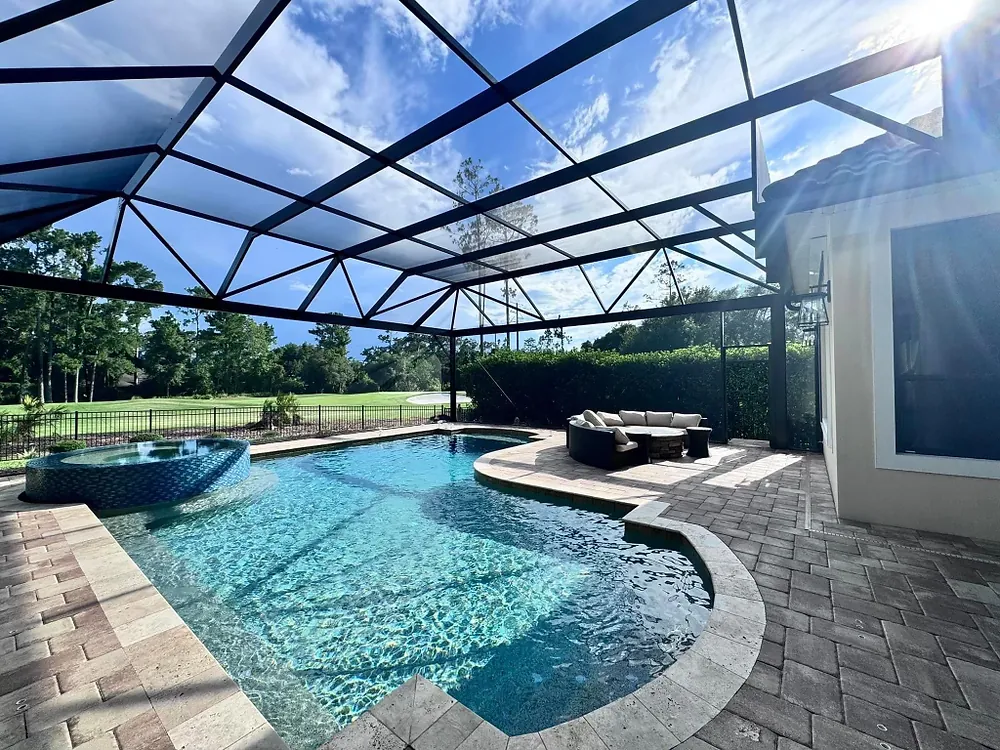
- Insect exclusion is the primary reason for installing a pool enclosure, preventing mosquitoes and no-see-ums from ruining outdoor time.
- Debris management significantly reduces the frequency of skimming and vacuuming by keeping leaves and palm fronds out of the water.
- UV protection is enhanced by specialized screen meshes that filter out a portion of harsh Florida sunlight.
- Safety compliance is often bolstered by these enclosures, which provide a physical barrier to help prevent unauthorized access by small children or animals.
- Maintenance savings accrue over time because cleaner water requires fewer chemical treatments and less frequent filter cleanings.
Why Are Florida Pools Covered?
The ubiquitous nature of pool enclosures in Florida is driven by the unique climate and ecosystem of the region. Unlike northern states where pools are seasonal, Florida pools are used year-round, necessitating a permanent solution to environmental challenges. The screen enclosure acts as a filter for the environment, balancing the desire to be outdoors with the reality of living in a subtropical zone.
The Insect Factor
Florida is famous for its diverse insect life, including mosquitoes, biting flies, and midges. Without an enclosure, sitting by a pool during dusk or dawn can be nearly impossible due to these pests. The fine-gauge mesh used in these structures is specifically designed to be small enough to block even the tiniest insects while remaining permeable to air. This allows homeowners to enjoy their lanais without the constant need for topical repellents or mosquito coils.
Managing Organic Debris
A single palm tree can shed massive amounts of fronds, seeds, and bark, all of which eventually find their way into an open pool. This organic matter quickly decomposes, leading to algae blooms and high phosphate levels. By placing a roof and walls of screen over the pool deck, the majority of this debris is stopped before it touches the water. This translates to fewer hours spent with a skimmer net and a healthier, clearer pool environment.
Comparing Enclosure Mesh Types
| Mesh Type | Primary Benefit | Durability Rating | Best Use Case |
|---|---|---|---|
| Standard 18/14 | Insect Control | Moderate | General residential use |
| Privacy Screen | Visual Obstruction | Low | Homes near neighbors |
| Pet-Resistant Screen | Tear Resistance | High | Homes with dogs or cats |
| Solar Screen | UV Protection | Moderate | South-facing pool decks |
Essential Pool Maintenance Benefits
Maintaining a pool in Florida is a constant battle against the elements. The enclosure serves as a massive shield, reducing the workload for both the homeowner and the pool equipment. When a pool is covered, the water chemistry remains more stable, as the lack of debris prevents the pH levels from fluctuating wildly due to decaying plant matter.
Chemical Stability
Because organic debris is the primary source of food for algae, keeping the pool clean is the best way to prevent growth. When leaves and dirt enter the water, they break down, consuming chlorine and forcing the filter to work harder. An enclosure keeps the water pristine, often allowing owners to use fewer harsh chemicals over the course of a year.
Filter Longevity
Your pool pump and filter system are designed to handle fine particulates, but they struggle with large amounts of leaves and sand. By trapping debris on the screen roof, the enclosure prevents the skimmer baskets from clogging. This not only keeps the water circulating effectively but also extends the life of your pool’s mechanical components by reducing the load on the motor and the filter media.
Structural Design and Safety
Pool cages are typically constructed from extruded aluminum, which is chosen for its ability to withstand Florida’s high humidity and salt-air environment. These structures are engineered to meet strict wind load requirements, as mandated by local building codes. Safety is a major component of these designs, as the enclosure provides a secondary layer of security, creating a contained area that helps prevent accidental falls.
Pro Tip: Inspect the perimeter of your pool cage every few months to ensure the screen is securely tucked into the aluminum frame, as loose edges are the primary entry point for small lizards and insects.
Climate Control and Comfort
Living in Florida means dealing with extreme heat and high humidity. While a screen enclosure doesn’t provide air conditioning, it does offer a noticeable reduction in direct thermal radiation. The mesh creates a “shaded” effect that keeps the pool deck significantly cooler than an open concrete patio. This makes the deck a more usable space throughout the day, rather than just during the early morning hours.
Airflow and Ventilation
The beauty of the screen design is that it maintains the feeling of being outside. The mesh allows for a gentle breeze to pass through, which is essential in the Florida climate. If the enclosure were solid, the area would quickly become an uncomfortable, trapped heat box. The porosity of the screen is carefully calculated to allow wind to pass through while keeping unwanted visitors out.
UV Light Reduction
Prolonged exposure to the sun is a major concern for Floridians. Specialized solar screens can block up to 70% of UV rays, providing a safer environment for children and adults who want to lounge poolside. This reduction in direct sunlight also helps prevent the premature fading of outdoor furniture and pool deck coatings, which are otherwise highly susceptible to sun damage in the Sunshine State.
Common Maintenance Requirements
Even with an enclosure, the system isn’t entirely maintenance-free. Over time, the screen material can become brittle due to constant sun exposure, and the aluminum frame may need cleaning. Keeping the enclosure in top shape ensures that it continues to provide the benefits it was installed for.
Cleaning the Screen
Pressure washing an enclosure requires extreme caution to avoid tearing the mesh. It’s generally recommended to use a low-pressure setting and a mild cleaning solution to remove mildew and algae that can build up on the screen panels. Regular cleaning prevents the buildup of dust that can impede airflow and make the enclosure look dingy.
Patching and Repairs
Small tears in the screen can happen due to falling branches or bird strikes. Homeowners should keep a supply of screen repair tape or replacement spline on hand. If a panel is heavily damaged, it’s often better to replace the entire screen section rather than patching it multiple times, as the integrity of the mesh is compromised once it has been punctured.
Professional Installation vs. DIY
Installing a pool enclosure is a complex task that involves structural engineering and precise measurements. For most homeowners, professional installation is the only viable path. These companies ensure that the structure meets the Florida Building Code requirements for wind resistance and structural integrity.
| Task | Professional | DIY |
|---|---|---|
| Structural Engineering | Included | None |
| Permit Acquisition | Included | Homeowner responsibility |
| Material Sourcing | High-grade aluminum | Retail grade |
| Warranty Coverage | Full coverage | None |
Warning: Never attempt to climb on the roof of a pool enclosure to clean it; the aluminum structure is designed to support the weight of the mesh, not the weight of a person, and doing so can cause a catastrophic collapse.
Impact on Property Value
In the Florida real estate market, a pool enclosure is often viewed as a significant value-add. Potential buyers look for homes that offer “turnkey” outdoor living. An existing, well-maintained enclosure signals to buyers that the pool has been protected from the elements, which can provide peace of mind regarding the condition of the pool equipment and the deck surface.
Curb Appeal
A clean, well-lit enclosure can frame a backyard beautifully. Modern designs now feature “picture windows,” which are large, unobstructed spans of screen that allow for a better view of the surrounding landscape. These design choices make the enclosure feel less like a cage and more like an extension of the home’s architecture.
Marketability
Homes with screen-enclosed pools often sell faster in the Florida market because they offer an immediate solution to the “bug and debris” problem. Buyers who are new to Florida often underestimate the intensity of the insect population, and finding a home that already has an enclosure is a major selling point for those looking for a low-maintenance lifestyle.
Frequently Asked Questions
Can I put a roof over my pool enclosure?
Yes, many homeowners choose to add a “solid” roof section over part of the enclosure, usually near the house. This creates a covered lanai that protects furniture and people from rain and direct sun. However, the majority of the enclosure must remain screened to ensure proper airflow and to prevent the area from becoming an unventilated, hot, and humid space that would promote mold growth.
How long do pool screens last?
In Florida, a standard fiberglass screen typically lasts between 7 and 12 years. The lifespan depends heavily on the quality of the screen material, the amount of direct sun exposure, and how often the area is subject to high winds. High-strength or polyester-coated screens generally offer better durability against UV rays and physical wear than standard-grade fiberglass options.
Do I need a permit for an enclosure?
Yes, in Florida, you must obtain a building permit for a pool enclosure. Because these structures are subject to wind load and safety regulations, local building departments require an inspection to ensure the frame is properly anchored to the pool deck and can withstand hurricane-force winds. Working with a licensed contractor is the best way to ensure the project complies with all local zoning and safety ordinances.
Can I leave my pool uncovered?
You can leave a pool uncovered, but in Florida, you’ll face significantly higher maintenance costs and effort. Without an enclosure, you’ll be skimming the pool daily to remove insects, leaves, and organic debris. Furthermore, you’ll likely need to use more chlorine to combat the algae growth caused by the constant influx of organic matter into the water, and your filter will require much more frequent cleaning.
Does the enclosure keep the pool warmer?
A screen enclosure provides a very marginal increase in water temperature by reducing the cooling effect of wind blowing across the surface of the water. However, it isn’t a substitute for a pool heater. If you want to swim during the cooler winter months in Florida, you’ll still need a heat pump or a solar heating system to maintain a comfortable water temperature.
Conclusion
Maintaining your pool enclosure is essential for keeping your outdoor space enjoyable and your pool water healthy. By regularly checking for tears in the mesh and keeping the structure free of heavy debris, you ensure the longevity of your investment. For those considering an installation, prioritize working with a licensed contractor to guarantee that your structure meets all local safety and wind-load requirements.