

Yes, you can use a duvet cover as a bedspread, provided you accept that it will lack the weight and structure of a traditional quilted cover. It’s a common choice for those who want a lightweight, washable layer that protects their bedding while maintaining a clean aesthetic. You should check the fabric material and dimensions before you begin to ensure it covers your mattress edges properly.
Situations for using a cover as a bedspread
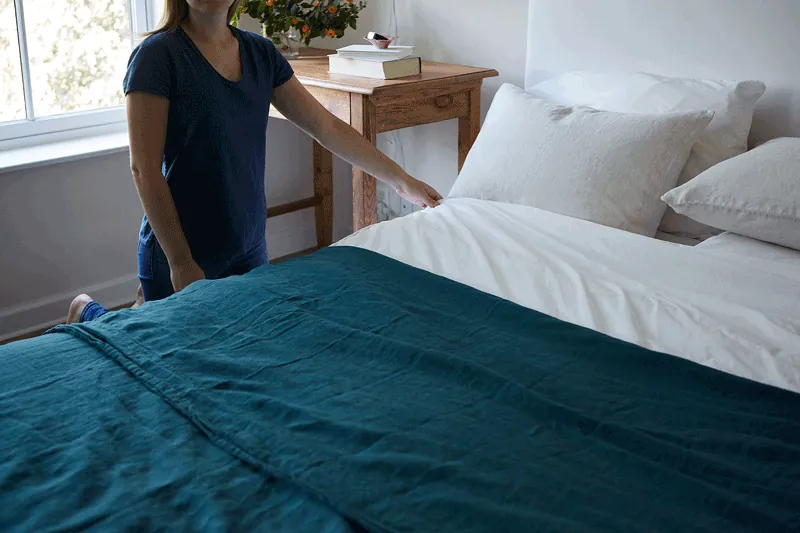
While a duvet cover is designed to hold an insert, it works as a decorative top layer in many bedroom setups. The following table helps you decide if this method fits your specific sleeping environment or aesthetic goals.
| Your situation | Answer | Why |
|---|---|---|
| Hot summer weather | Yes | It’s thin and breathable |
| Need extra warmth | No | It lacks insulation without an insert |
| Modern minimalist look | Yes | It creates a smooth, flat surface |
| Thick mattress depth | Maybe | You need extra inches for coverage |
| Frequent washing needed | Yes | It’s easier to wash than quilts |
| Need spill protection | No | It’s thin and lacks water resistance |
What decides the final look
The main factor that decides if a duvet cover works as a bedspread is the material weight and the drape of the fabric. A heavy, high-thread-count cotton cover will naturally lay flatter and look more like a traditional bedspread than a thin, synthetic polyester cover. If you prefer a crisp, tailored appearance, choose a fabric with a tighter weave that resists wrinkling when spread flat over the mattress.
Another factor is the size of the cover compared to your mattress. Most duvet covers are sized to match the dimensions of a duvet insert rather than the full drop of a mattress.
If your bed is particularly tall or you have a thick pillow-top mattress, a standard duvet cover might not reach low enough to hide the box spring or the sides of the bed. You should measure the total width and length of your mattress, including the desired side drop, and compare these to the cover’s dimensions listed on the product packaging.
A common mistake is ignoring the “drop” measurement. If your mattress and box spring combined exceed 20 inches in height, a standard queen duvet cover will likely leave an unsightly gap. In this case, you must size up to a king cover to achieve the necessary coverage for a clean, draped look.
The final consideration is the closure mechanism. Duvet covers often use buttons or zippers at the foot of the bed. If you use it as a bedspread, you must decide whether to tuck the closure under the pillows at the head of the bed or leave it at the foot.
If you place the closure at the foot, it may feel uncomfortable against your feet or look untidy. If you place it at the head, ensure the buttons are secure so they don’t scratch your skin or snag on your sheets.
If the fabric is heavy and the mattress is standard size, it will look like a bedspread; if the fabric is thin and the mattress is oversized, it will look like a loose sheet. Use a weighted fabric for a formal, structured drape, but stick to lightweight cotton blends if you prefer a relaxed, casual aesthetic.
Steps for a polished finish
If you decide to move forward with this setup, follow these steps to achieve a professional, tidy look.
Measure your mattress height to ensure the cover provides enough coverage. Use a tape measure to check the distance from the top of the mattress to the frame. If your mattress is deeper than 14 inches, standard covers will pull at the seams and distort the drape.
Iron or steam the fabric before placing it on the bed to remove creases from storage. A flat, smooth surface is essential for the tailored look. If you skip this, the fabric will never settle, regardless of how much you pull or tuck.
Position the closure at the head of the bed, hidden beneath your decorative pillows. This keeps the visible portion of the cover smooth and free of hardware. Most people make the mistake of placing the closure at the foot, where it inevitably catches on feet or bedding.
Smooth the fabric outward from the center toward the edges. Use your palms to push out air pockets trapped between the cover and the bottom sheet. If the fabric still bunches, you’re likely dealing with a static charge; a light misting of water will help the material cling to the mattress surface.
Tuck excess fabric neatly at the corners if the cover is oversized. For a hospital-style finish, lift the mattress slightly while folding the fabric into a crisp 45-degree angle. This creates a clean, architectural appearance. If you’re working with a platform bed, use upholstery pins to secure the fabric to the frame to prevent shifting during the night.
The mistake people make
The most common mistake is ignoring the internal structure of the cover, which leads to a sagging or “empty” look that feels messy. People often assume that any duvet cover will drape like a heavy quilt, but because it’s just two layers of thin fabric, it tends to slide around and show every lump of the pillows or sheets underneath. This costs you the clean, intentional look you’re aiming for, often making the bed appear unmade.
The check that avoids this is to lay the cover flat on the floor first; if you can see through it or it bunches up immediately when folded, it won’t hold its shape on the bed. If your insert is smaller than the cover by more than two inches on any side, the fabric will inevitably pool in the corners. You can fix this by using corner ties or safety pins to anchor the duvet to the cover’s interior loops.
If you notice the fabric sliding, you’re likely using a slippery material like sateen or polyester. In this case, switch to a cotton percale cover, which offers enough friction to keep the insert centered. Skipping these anchors forces you to adjust the bed every morning, turning a simple task into a daily chore.
When to stop and get help
You should stop trying to use a duvet cover as a bedspread if you encounter these issues:
The cover is significantly larger than your mattress, causing a tripping hazard for anyone getting in or out of the bed.
The fabric is so thin that it slides constantly, requiring you to adjust it multiple times per day. If you spend more than three minutes straightening the bed every morning, the material lacks the necessary weight to stay anchored.
The closure hardware, such as metal zippers or buttons, causes skin irritation or damages your underlying sheets. If you notice snags or pilling on your fitted sheet, the hardware is too aggressive for daily contact.
If you need more structure, visit a professional tailor or a home goods store to find a proper quilt that fits your specific mattress size. A tailor can add heavy-duty snaps or weights to the hem of a cover, but this requires specialized sewing equipment. If the cost of these alterations exceeds half the price of a new, well-fitted quilt, buy the new bedding instead.
Frequently asked questions
How long does a duvet cover last when used daily?
A duvet cover typically lasts for a significant period with daily use, depending on the quality of the fabric and how often it’s laundered. Cotton and linen blends are more durable than thin synthetic materials. You can check the durability by looking for the manufacturer’s suggested wash cycle count in the product documentation.
Is it safe to use a duvet cover on a toddler bed?
It’s safe to use a lightweight duvet cover as a bedspread for a toddler, provided the material is breathable and doesn’t have loose buttons that could become a choking hazard. Always inspect the cover for loose threads or broken closures before each use. If the cover is too large, it may cause the child to trip, so ensure it’s tucked in tightly around the mattress.
Does it matter if the cover is made of polyester or cotton?
It matters because cotton is more breathable and tends to lay flatter, while polyester often feels slippery and can slide off the mattress easily. Cotton also holds a crisp press better if you iron it. You can check the fiber content on the care label sewn into the inner seam of the cover to see which material suits your needs.
How do I stop the cover from sliding off the bed?
You can stop the cover from sliding by using fabric clips or sheet suspenders to secure the underside of the cover to the corners of the mattress. These tools hold the fabric taut and prevent it from shifting while you sleep. You can find these at most home supply stores or online marketplaces that sell bedding accessories.
Can I use a duvet cover as a bedspread in winter?
You can use it in winter, but you’ll likely need an additional blanket or a comforter underneath to stay warm. A duvet cover alone offers almost no thermal insulation because it’s essentially a double-layered sheet. If you feel cold, add a wool or down-alternative blanket between the bottom sheet and the duvet cover to trap body heat effectively.
Is it hard to keep a duvet cover smooth?
It’s hard to keep a thin duvet cover smooth without daily adjustment, as the lack of filling causes the fabric to wrinkle easily. You can minimize this by choosing a high-thread-count fabric or a textured weave, which hides small wrinkles better than a flat, plain weave. If you want a perfectly smooth look, you’ll need to straighten the fabric every morning.
Conclusion
Start by measuring your mattress to see if the cover provides a clean, even drop on all sides. If the cover fits, you should see a smooth, flat surface once you tuck the edges under the mattress. If you find the fabric is too slippery or the cover is far too large for the bed, it’s time to stop and look for a dedicated bedspread or a quilt that matches your mattress dimensions exactly.