
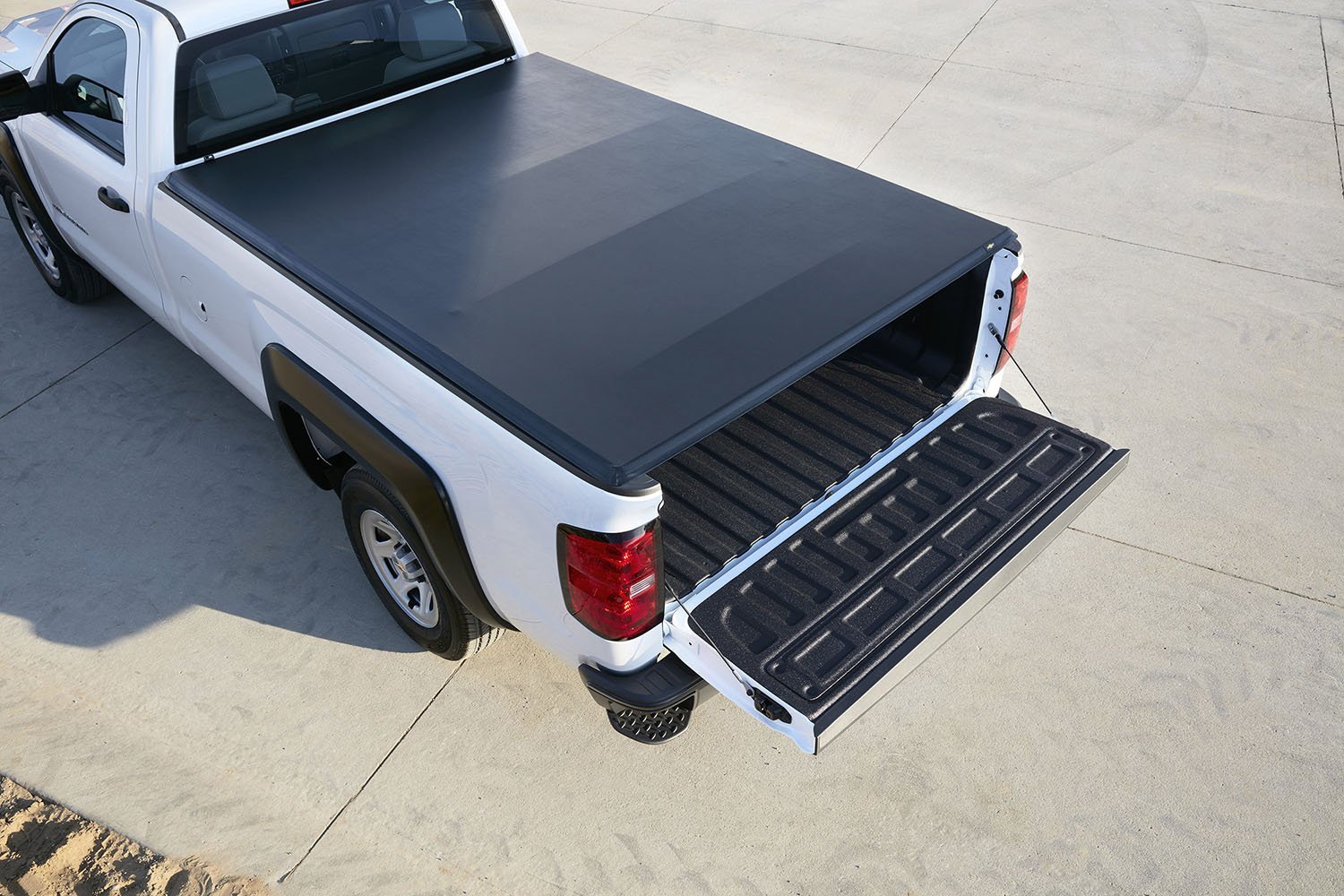
Tonneau covers are protective lids designed to fit over the cargo bed of a pickup truck to shield contents from weather and theft. These covers come in several materials and styles, ranging from soft vinyl rolls to hard, locking fiberglass panels. The primary function of these units is to secure your items while improving the aerodynamic profile of the vehicle. By reducing wind drag across the open truck bed, these covers can help improve fuel efficiency at highway speeds.
Essential facts about tonneau covers
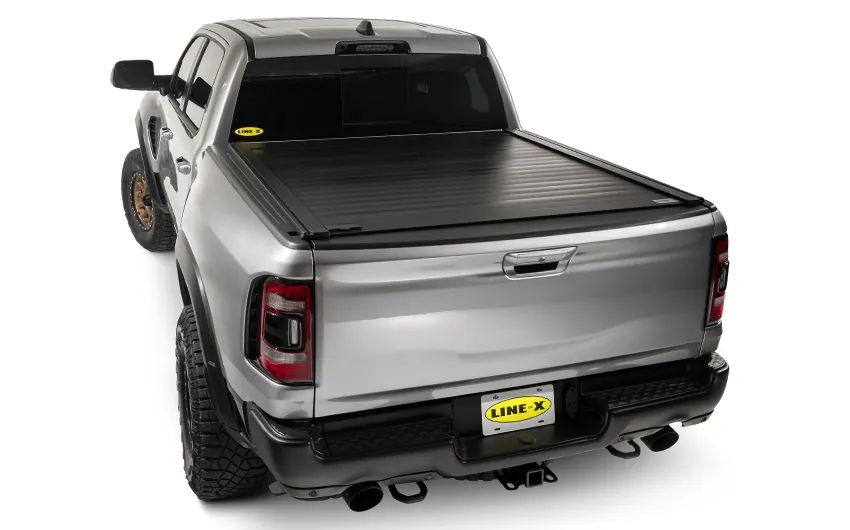
Soft roll-up covers are the most affordable option and use velcro or snaps to secure the vinyl material to the bed rails. Choose these if you prioritize weight savings and frequent, full-bed access, but avoid them if you live in climates with heavy snowfall, as the vinyl can sag or tear under significant weight.
Hard folding covers provide better security because they’re made of aluminum or composite panels that lock into place. These are ideal for storing tools, but they often block the rear window view when fully folded against the cab.
Retractable covers slide into a canister near the cab, which takes up about 10 to 12 inches of total bed length. This canister is a permanent fixture that limits your ability to haul oversized items like tall appliances or motorcycles.
Hinged fiberglass covers offer a flush, finished look but are heavy and often require gas struts to lift open easily. If you need to haul tall cargo, you must remove the entire assembly, which typically requires two people to avoid damaging the paint.
Most covers are weather-resistant but rarely 100% waterproof; water may still enter through the tailgate or rail gaps. If you carry sensitive electronics, always use a dedicated dry box rather than relying on the cover alone.
Check your truck bed width and length before purchasing, as manufacturers design specific fits for every make and model year. A difference of even half an inch in bed length or width can prevent a latch from engaging properly, rendering the security features useless.
Why drivers choose truck bed covers
The main reason to install a cover is to protect cargo from environmental elements like rain, snow, and sun damage. Without a cover, items in the bed are exposed to wind, which can blow loose objects out of the truck while driving. By creating a sealed environment, you significantly lower the risk of water damage to tools or luggage.
Security is another major factor for owners who carry expensive equipment. An open truck bed is an easy target for theft, especially when the vehicle is parked in public spaces. A hard-locking tonneau cover acts as a physical barrier, turning the bed into a secure trunk. If you regularly transport gear, a locking cover offers reliable protection that a simple tarp can’t provide.
Aerodynamics play a surprising role in why these covers are popular. Air flowing over the cab of a truck creates a turbulent vortex inside the open bed, which acts like a parachute and increases drag. According to wind tunnel testing by the Society of Automotive Engineers, closing the bed with a cover effectively smooths this airflow. While results vary based on vehicle shape and speed, this reduction in drag can lead to measurable fuel savings during long-distance highway driving.
Finally, appearance is often a deciding factor. Many truck owners prefer the clean, streamlined look of a covered bed compared to the industrial aesthetic of an open one. A high-quality cover can make a truck look more polished and intentional. However, if you frequently haul tall items like appliances or furniture, you must consider the trade-off of having to remove or retract the cover to make room for that cargo.
When to choose a different bed cover
| Situation | What changes | What to do instead |
|---|---|---|
| Tall cargo | Vertical space is limited | Use a removable or fully retractable cover |
| Frequent access | Opening takes too much time | Choose a folding hard cover |
| Budget limits | High cost of hard panels | Buy a soft vinyl cover |
| Cold climates | Material may become brittle | Select an aluminum hard cover |
| Off-road use | Vibration damages mechanisms | Install a simple latching cover |
If your cargo exceeds the height of the bed rails, a retractable canister cover won’t close. Stick to soft roll-up models to maintain full vertical clearance.
Many owners mistakenly prioritize aesthetics over utility. If you haul groceries or tools daily, a cover that requires a key or multiple latch points will become a nuisance within a week. If you open your bed more than three times per day, choose a tri-fold design that allows one-handed operation.
Temperature fluctuations reveal the true quality of your materials. In regions where winter temperatures drop below freezing, vinyl often cracks or shrinks, preventing a proper seal. If you live where snow accumulation is common, invest in aluminum. It resists the weight of heavy ice and won’t warp under extreme thermal stress.
For off-road enthusiasts, avoid complex motorized covers. Dust and vibration cause internal gears to seize, often leaving the bed permanently locked or open. A manual, heavy-duty latching cover provides the necessary reliability when you’re miles away from a service shop.
How to install a new cover
Clean the top rails of your truck bed using mild soap and water to ensure a flat surface. Any lingering wax or road grime prevents the adhesive from bonding, which leads to flapping at highway speeds.
Apply the provided weather-stripping tape along the top edge of the bulkhead near the cab. If your truck has a plastic bed liner, double-check that the seal sits flush against the metal bulkhead rather than the liner, as gaps here are the primary cause of water leaks.
Place the side rails onto the bed edges and align them according to your truck’s specific bed length. Attach the clamps at the front, middle, and rear sections. Tighten them until the rail feels firm but don’t over-torque, as warping the rail prevents the cover from latching properly.
Unroll the cover material onto the rails. If the cover feels too tight to latch, back off the tension screws by one full turn. If it rattles, tighten them until the seal compresses slightly. Always test the latching mechanism to ensure it clicks securely on both sides.
Mistakes that ruin your cover
Overtightening the mounting clamps can bend your truck’s bed rails, leading to permanent alignment issues and leaks. Aim for a firm, hand-tightened grip rather than using tools for extra leverage.
Driving with the cover partially open causes excessive vibration that can tear the material or damage the locking hinges. If you must haul oversized cargo, fold the cover completely to its stowed position and secure it with the provided straps.
Using harsh chemical cleaners on soft vinyl covers strips the UV protectant and leads to premature cracking. Stick to mild soap and water or dedicated vinyl conditioners. If you notice the surface turning dull or chalky, you have already stripped the protectant and must reapply a UV-blocking spray immediately.
Failing to check the tailgate seal allows water to spray up from the road and soak the contents of the bed. Inspect the gap between your tailgate and the bed floor regularly based on your usage. If you see daylight through the seal, consult your owner’s manual for replacement guidance.
Frequently asked questions
How long does a tonneau cover last?
High-quality covers typically last between 5 and 10 years, depending on material and sun exposure. Soft vinyl often wears after 5 years, while aluminum or fiberglass panels can last the vehicle’s entire life with proper care. Lifespan varies by climate, as extreme temperatures degrade seals and fabrics faster.
Is it safe to drive with the cover open?
It’s safe to drive with the cover open only if the manufacturer explicitly states it’s designed for that position. Most folding covers include straps or clips to secure them while open. If your model doesn’t mention driving while open, you must close or remove it to prevent damage.
Does a tonneau cover stop water leaks?
A cover is weather-resistant, but rarely 100% waterproof in all conditions. Most water enters through gaps at the tailgate or corners where the bed meets the cab. If you need to keep sensitive electronics dry, use a waterproof storage bin inside the bed rather than relying on the cover.
Will a cover fit every truck model?
A cover won’t fit every truck because bed lengths and rail shapes vary by make and model year. You must verify the specific bed size, such as short, standard, or long bed, before you purchase a unit. If your truck has a bed liner or utility tracks installed, you must check the manufacturer’s compatibility list to ensure the clamps will still fit over those additions.
Can I install a cover by myself?
You can install most covers yourself in 60 to 90 minutes with basic tools and a partner. Having a second person makes it easier to align the rails correctly before clamping them down. If you have a heavy fiberglass cover, a two-person lift is necessary to avoid damaging the truck.
Does a cover affect my truck’s resale value?
A cover often increases the appeal of your truck because it provides instant utility and security for the next owner. A well-maintained hard cover is usually seen as an upgrade, while a worn-out soft cover may not add significant value. You should keep the original installation manual and keys for the locks, as these items make the cover much more valuable to a potential buyer when you decide to sell the vehicle.
Conclusion
Choosing the right cover depends on your specific needs for security and how often you carry tall, bulky items. By matching the style of the cover to your daily habits, you ensure your truck bed remains a useful and protected space for all your gear. Remember to check your truck’s exact bed dimensions before buying to ensure the unit fits securely and keeps your cargo safe from the road.