
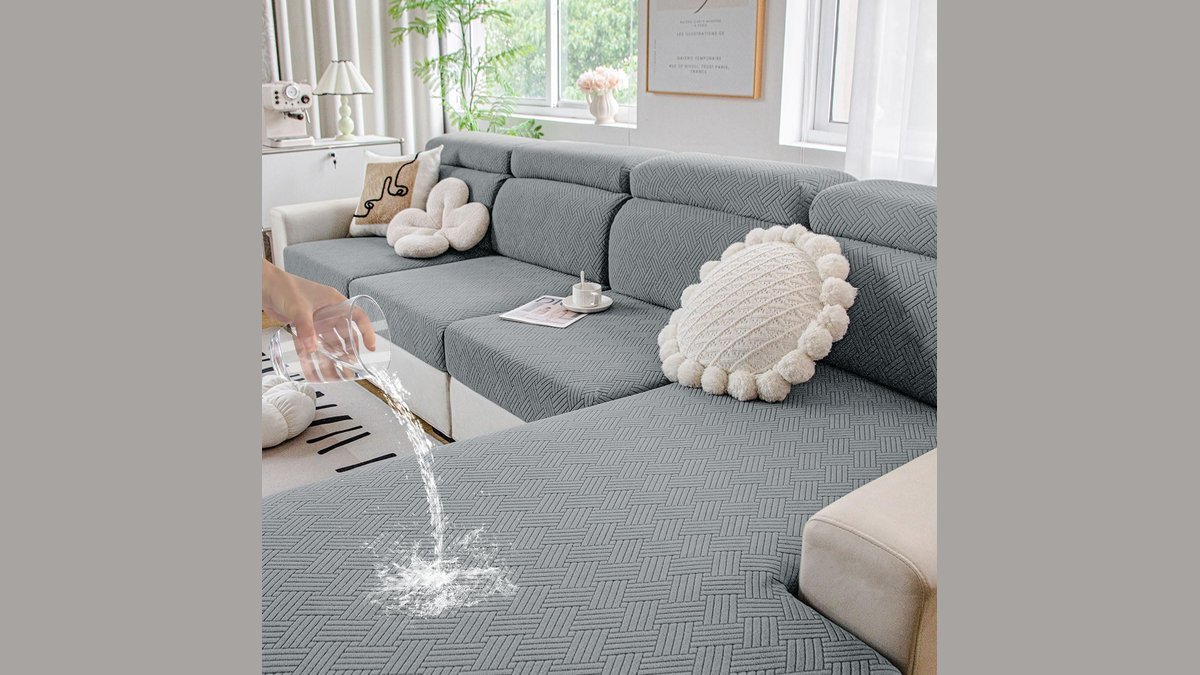
You can protect your furniture from spills and pet accidents by using waterproof couch cushion covers, which serve as a protective barrier between liquids and the underlying fabric. These covers are made from synthetic materials like polyester or polyurethane, designed to prevent moisture from soaking into the foam or padding. While they share the same primary goal of protection, they differ mainly in their texture, level of breathability, and how they secure to the cushion. Choosing the right one depends on whether you value a soft feel or complete liquid resistance.
Varieties of waterproof couch cushion covers
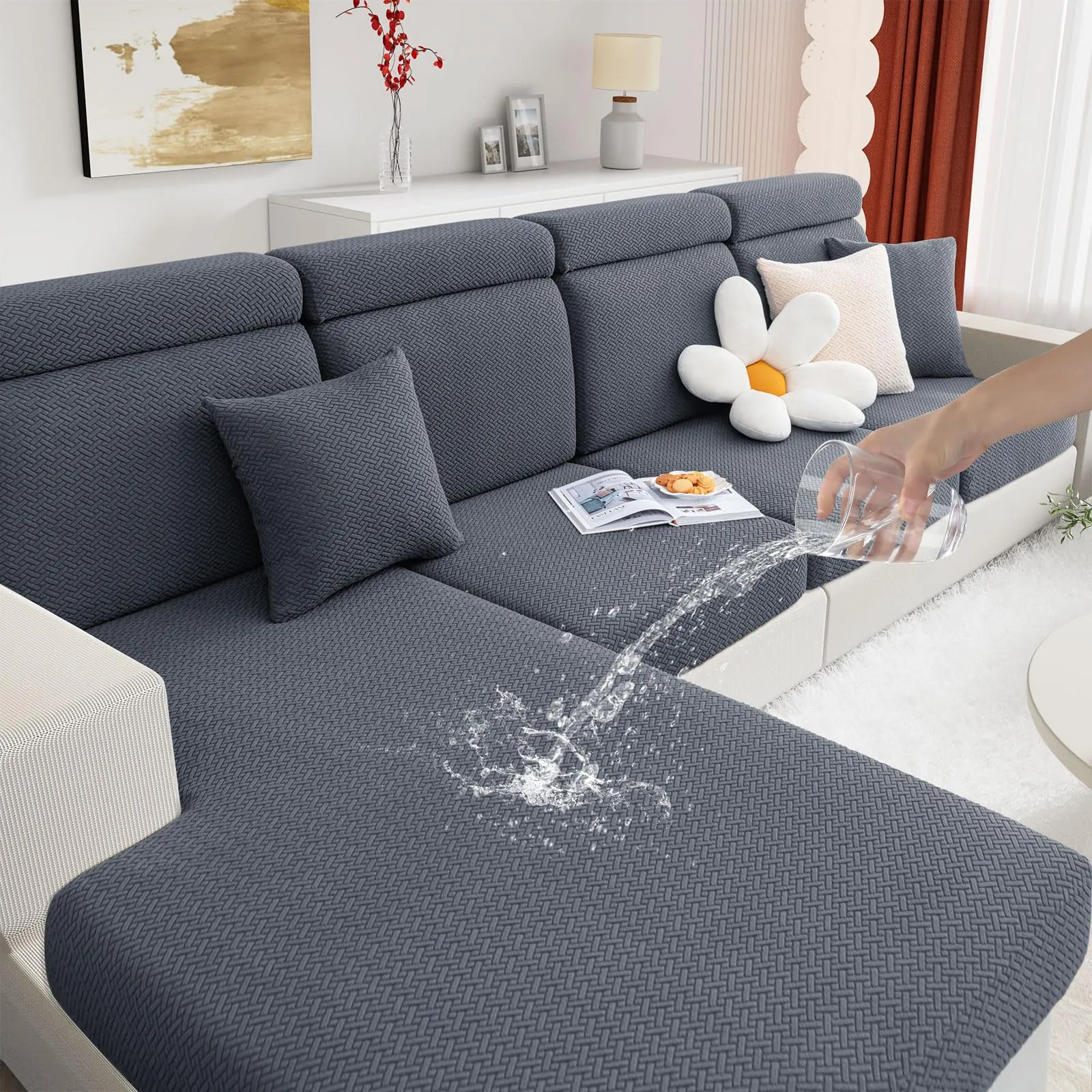
Every couch protector serves a different purpose for your home. This table helps you compare the most common options to decide which fits your specific seating situation.
| Protector Type | Best For | Concrete Example |
|---|---|---|
| Zippered Encasements | Total liquid containment | Full-cushion fabric sleeve |
| Slip-on Covers | Frequent washing needs | Elasticized corner protector |
| Waterproof Pads | Targeted spill zones | Quilted top-only layer |
| Vinyl Liners | Maximum moisture defense | Hidden under-cover sheet |
Choose zippered encasements only if you’re fighting bed bugs or deep-set allergens, as they’re notoriously difficult to remove and replace. If you have pets that shed, prioritize slip-on covers made of heavy-duty canvas rather than thin polyester. Thin fabrics trap hair in the weave, requiring a vacuum every time you wash the cover.
If you’re protecting a leather sofa, avoid vinyl liners. They trap heat and moisture against the hide, which can cause the leather to crack or discolor over time. Instead, use a breathable cotton-blend pad. If you have children, keep a waterproof pad on the center cushion at all times. This saves you from deep-cleaning the foam core when a spill inevitably occurs.
Zippered Encasements
A zippered encasement fully surrounds your cushion on all sides to prevent liquids from reaching the foam core. It’s the best choice for households with pets or young children who might cause messes that extend beyond the surface.
- Provides a complete seal that stops dust mites and allergens.
- Keeps the cushion shape secure by preventing internal shifting.
- Offers the highest level of protection against deep-set stains.
- Requires removing the cushion from the sofa to install properly.
If you have a high-traffic sofa, use a zippered encasement to ensure no liquid can seep into the hidden crevices of the foam. A standard 24-inch by 24-inch cushion requires an encasement sized specifically to its depth, as a loose fit will lead to excess fabric bunching.
Measure your cushion thickness before buying. If your foam is 5 inches thick, don’t buy a 6-inch cover. The extra slack creates wrinkles that become permanent pressure points, eventually tearing the fabric. If you notice the zipper straining during installation, stop immediately. A forced fit will pop the teeth, rendering the seal useless against spills. Always choose a cover with a reinforced, rust-proof zipper to handle the tension of daily sitting.
Slip-on Covers
Slip-on covers are designed for quick installation and removal, making them ideal for those who need to wash their furniture protection often. Unlike encasements, these usually cover only the top and sides of the cushion, leaving the bottom exposed to the frame.
- Allows for rapid cleanup after minor spills occur.
- Easier to change if you want to update your room’s color.
- Features elastic bands to hold the cover in place during use.
- Fits a wide variety of cushion shapes without needing custom sizing.
If you prefer a quick swap, a slip-on cover is the most efficient choice. For a standard 20-inch wide seat, you should select a cover with at least 2 inches of extra elasticated material to ensure it stays tucked firmly under the cushion edges.
Most buyers make the mistake of choosing a cover based solely on the cushion’s surface area. This leads to the fabric pulling taut and slipping off the corners after only a few hours of sitting. If your cushions have rounded corners, prioritize a knit fabric with four-way stretch.
If your cushions are boxy with sharp, defined edges, stick to woven fabrics that offer a structured, tailored fit. Always measure the thickness of the cushion at its deepest point. If that depth exceeds 6 inches, standard slip-ons will likely ride up.
Waterproof Pads
Waterproof pads are simple, flat layers that sit directly on top of your cushion to block moisture from seeping downward. These are best for people who want protection without changing the look or feel of their existing upholstery.
- Functions as a discreet shield against accidental spills.
- Stays in place using non-slip backing or corner straps.
- Adds a soft, quilted layer of comfort to firm cushions.
- Easier to manage in the laundry than full-cushion covers.
This option isn’t for people who need total protection against pet accidents, as liquids can still pool near the edges of the pad. If you choose this, ensure the Environmental Protection Agency guidelines regarding chemical treatments are considered, as some older waterproof coatings may contain substances you might want to avoid. If your cushion is wider than 30 inches, use a double-wide pad to ensure the entire seating surface remains covered.
Vinyl Liners
Vinyl liners are thin, plastic-based sheets that act as a heavy-duty barrier against all forms of liquid. They’re best suited for use underneath a decorative fabric cover where they remain completely hidden from view.
- Offers a 100% impermeable surface for maximum defense.
- Wipes clean easily with a damp cloth or disinfectant.
- Prevents odors from being absorbed by the cushion foam.
- Works well as a secondary layer under standard cushions.
If you prioritize function over texture, a vinyl liner is the most reliable tool. For a standard 5-inch thick cushion, wrap the vinyl liner snugly and secure it with heavy-duty tape to prevent shifting. Don’t use this as a standalone cover, as the plastic texture can be noisy and uncomfortable for long-term sitting.
Most users make the mistake of pulling the liner too tight, which causes the material to split under pressure. Always leave a half-inch of slack to accommodate the natural compression of the foam. If your cushion is exposed to direct sunlight, skip the vinyl. Heat causes the plastic to become brittle and crack within two seasons. Use a polyurethane-backed fabric instead for outdoor furniture.
Other Cushion Protection Options
Quilted protectors add a layer of padding with a water-resistant backing. They’re ideal for reviving worn-out cushions while maintaining a soft surface texture. If your cushion has lost its loft, use these to bridge the gap between comfort and utility.
Velvet-touch covers feature a decorative outer layer with a bonded waterproof membrane. These are perfect for high-traffic living rooms where you want a luxury aesthetic without sacrificing spill protection. Avoid these if you have pets with sharp claws, as the velvet weave snags easily, leading to permanent pulls in the fabric.
Stretch-fit covers use high-elasticity spandex blends to hug tight to odd-shaped or oversized cushions. If your cushion measures more than six inches thick, standard covers will likely bunch at the corners. Use a stretch-fit option to ensure a smooth, tailored look. If the fabric ripples after installation, you have chosen a size too large for your frame.
How to Choose the Best Cover
Choosing the right protector depends on your specific household needs, such as the presence of pets or the frequency of spills. If you have active pets, prioritize a zippered encasement because it prevents accidents from seeping into the foam core entirely. If you only need protection for occasional spills, a simple waterproof pad is sufficient and much easier to remove for cleaning.
Your choice also depends on your aesthetic preferences. If you want the cover to be invisible, use a vinyl liner hidden under your existing cushion fabric. If you want to change the style of your furniture, a decorative slip-on cover is the better path.
These options can generally be combined; you may use a protective liner under a decorative slip-cover for dual-layer security. Picking one usually means you can leave the other accessories off, as adding too many layers will make the cushions feel firm and prone to sliding off the frame.
Frequently asked questions
Can I machine wash waterproof cushion covers?
Yes, most covers are machine washable, but you must follow the care label for the specific temperature setting. Typically, you should wash them in cold water on a gentle cycle to avoid damaging the waterproof membrane. Don’t use high heat in the dryer, as this can melt the protective backing and ruin the waterproof seal on your covers.
How do I know what size cover to buy?
You must measure the length, width, and depth of your cushion in inches before purchasing any cover. Measure from the widest points of the cushion to ensure a proper fit, then compare those numbers to the manufacturer’s size chart. If your cushion is an irregular shape, always choose a size slightly larger than your measurements to allow for the fabric to stretch.
Are these covers safe for children?
Yes, most modern covers are safe, but you should check that the product is free from harmful chemicals like lead or phthalates. Look for labels that mention safety testing or certifications for textile products. If you’re concerned about specific materials, check the manufacturer’s official product page for a list of all chemicals used in the waterproofing process.
What happens if a liquid sits on the cover too long?
Liquids may eventually soak through if they’re left for several hours, even on the best waterproof covers. You should wipe up any spills immediately with an absorbent cloth to prevent moisture from pooling in the seams. If a large spill occurs, remove the cover and wash it as soon as possible to prevent potential odors or stains.
Does the waterproof material make a noise when I sit?
Yes, some materials like vinyl or thin plastic can create a crinkling sound when you move. You can reduce this noise by choosing covers with a quilted fabric top or by placing a thick blanket over the cover. If silence is a priority, look for “breathable” waterproof fabrics, which are usually quieter than standard plastic liners.
How often should I replace my cushion covers?
You should replace your covers every 2 to 3 years, or sooner if you notice signs of wear such as cracks in the backing. Frequent washing and daily use will eventually break down the waterproof membrane over time. If the cover starts to look thin or if liquids no longer bead up on the surface, it’s time for a new one.
Conclusion
Start by measuring your couch cushions at their widest points to find the correct size. Once the cover is installed, you should expect to see liquids bead up on the surface rather than soaking in when a spill occurs. If you notice that the fabric underneath is damp after a spill, the cover has lost its integrity and you should replace it immediately to keep your furniture clean.