

The best way to protect your furniture is to buy custom-fit thomasville sofa covers, as these provide a precise match for the brand’s specific frame dimensions and cushion shapes. Since Thomasville furniture often features unique rolled arms and deep seating, generic slipcovers rarely fit well. This guide covers how to identify your model, measure for a perfect fit, and maintain the fabric to ensure your investment lasts for years to come.
Choosing the Right Thomasville Sofa Covers
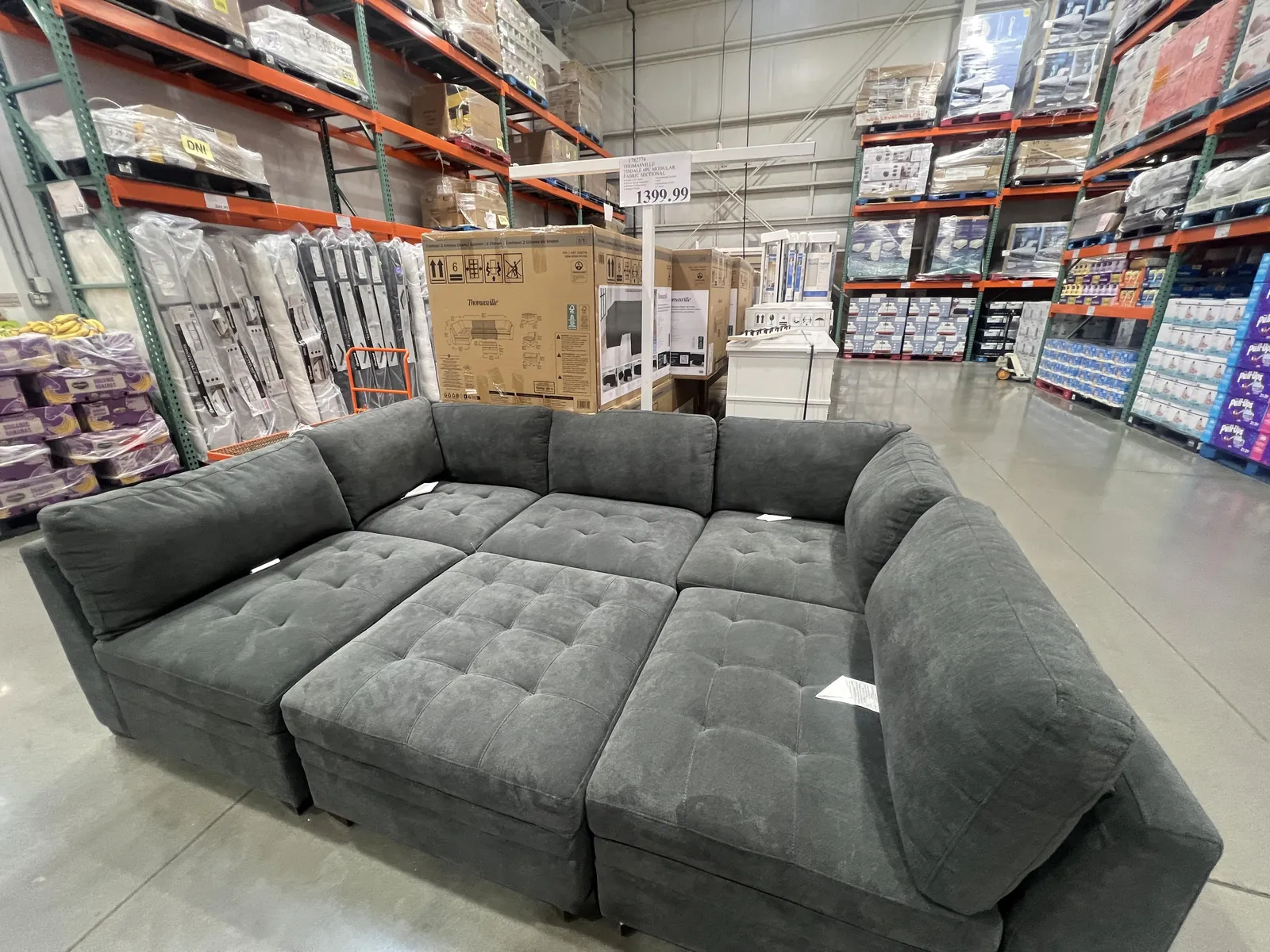
Thomasville furniture is known for its sturdy construction and classic silhouettes. Because the company produced many different lines over several decades, you can’t assume that a cover labeled for a standard three-cushion sofa will work. You must first determine if your piece uses a tight-back or a loose-back cushion design.
Most people make the mistake of buying “one-size-fits-all” covers. These often sag, require constant tucking, and hide the elegant lines of the frame.
If you have a sofa with a curved back, a stretch-fit cover is usually your only option; if your sofa has a straight, rectangular back, you can look for structured, semi-custom covers that offer a more professional look. Always prioritize the measurements of the seat width and the height of the arms over the total length of the sofa.
Steps to Measure and Fit Your Cover
- Measure the width of the sofa by running a tape measure from the outside of the left arm to the outside of the right arm.
- Measure the height of the back from the floor to the top of the sofa frame.
- Determine the depth of the seating area by measuring from the front edge of the seat cushion to the base of the back cushion.
- Check the arm height and width, as these are the most common points where fabric pulls or tears if the cover is too small.
- If you’re ordering a custom slipcover, provide the manufacturer with your specific model number, which is usually found on a tag under the deck or beneath the frame.
- Pull the fabric taut across the frame, starting from the back and working your way toward the front arms.
- Tuck the excess fabric firmly into the crevices between the seat, back, and arms using upholstery grips or stiff cardboard strips.
The most important judgement call is how much tension to apply. If you pull the fabric too tightly, the seams will eventually burst under pressure; if you leave it too loose, the cover will shift every time someone sits down.
Essential Measurements for Your Sofa
The following table helps you match your furniture dimensions to the appropriate cover type. These figures assume a standard adult sofa size.
| Situation | What to use | How long | What to watch for |
|---|---|---|---|
| Standard 3-cushion | Semi-custom fit | 15 minutes | Arm seam alignment |
| Loose-back cushions | Two-piece system | 20 minutes | Cushion zipper access |
| Tight-back frame | Stretch-fit cover | 10 minutes | Fabric transparency |
| Curved/Modern frame | Custom slipcover | 30 minutes | Corner bunching |
| Deep-seat models | Extra-wide cover | 20 minutes | Seat depth tension |
Measure your sofa from the outside of one arm to the outside of the other. If your total width exceeds 84 inches, standard covers will fail to tuck properly, leading to constant shifting. In these cases, you must choose an oversized or “sofa-plus” designation.
If your sofa features a T-cushion design, where the seat cushions wrap around the front of the arms, avoid one-piece slipcovers. They will never stay tucked. Instead, use a two-piece system that allows the seat cover to move independently from the frame cover.
Check your fabric opacity by stretching the material over your hand before installation. If you can clearly see your skin through the weave, the cover will show the color of your sofa underneath. This is a common mistake that ruins the intended aesthetic.
Achieving a Professional Look
Experienced decorators know that the secret to a high-end look is the use of tuck tools. Instead of using your fingers, which can stretch the fabric over time, use a flat, blunt-edged tool to push the material deep into the sofa’s frame. This creates a crisp, tailored appearance that prevents the cover from popping out when the sofa is in use.
Always check the grain of the fabric before you begin. If the pattern or weave of the fabric runs crookedly, the entire cover will look off-center no matter how well you tuck it. Start your adjustment from the center of the back cushion and work outward toward the arms to ensure the tension is balanced on both sides.
Troubleshooting Common Fit Issues
| What you notice | What it usually means | What to do first |
|---|---|---|
| Fabric keeps popping out | Not enough tuck depth | Use longer upholstery grips |
| Cover looks loose/baggy | Wrong size chosen | Adjust internal elastic ties |
| Seams are straining | Frame is too large | Release tension at the arms |
| Fabric feels slippery | Fiber content mismatch | Use a non-slip rug pad underneath |
If your fabric slips despite using grips, check the weave density. High-sheen synthetic covers often slide against leather surfaces. In these cases, a silicone-backed furniture pad provides the necessary friction that standard grips lack.
Baggy corners usually stem from excess fabric pooling at the base. If you have more than two inches of slack, fold the extra material into a pleat at the rear seam. Secure this with a safety pin to create a custom, tailored look.
Straining seams indicate you have reached the absolute limit of the cover’s stretch capacity. Don’t force the fabric, as this causes permanent fiber fatigue and eventual tearing. If the seams show white backing through the thread, remove the cover immediately. You need a larger size or a stretch-fit alternative to prevent frame damage.
Always test the fit before final tucking. If the cover shifts when you sit, your base tension is too low. Tighten the perimeter drawstrings by at least one inch.
Regulatory Standards for Furniture Safety
When selecting materials for your home, it’s important to understand the fire safety requirements for upholstered furniture. In the United States, manufacturers must comply with Consumer Product Safety Commission guidelines regarding the flammability of textile products. Always check the label of any slipcover for information on flame retardant treatments.
If you’re installing a cover on a sofa in a high-traffic area, ensure the fabric is rated for heavy-duty commercial use to prevent premature thinning. Look specifically for a double-rub count exceeding 30,000 cycles. Anything below 15,000 cycles will likely show visible wear within two years of daily use.
If you have children or pets, prioritize fabrics labeled as solution-dyed acrylic or polyester. These materials resist fading and chemical cleaners that would destroy natural fibers.
Long-Term Maintenance and Care
To keep your cover looking new, wash it according to the manufacturer’s instructions as needed based on use; always consult the owner’s manual for the correct schedule. Most high-quality covers are machine washable, but you should always use cold water and a gentle cycle to prevent shrinking. If you have pets, vacuum the surface as needed to remove dander and loose hair that can act like sandpaper on the fabric fibers over time.
If your cover features a blend of cotton and polyester, try to put it back on the sofa while it’s slightly damp. This allows the fabric to stretch and mold to the frame as it dries, preventing the wrinkles that occur when covers are dried completely in a machine. If the fabric becomes stained, spot-clean it immediately with a mild upholstery cleaner rather than waiting for the next full wash.
When to Choose Upholstery Instead
Sometimes a slipcover isn’t the right solution for your needs. If the underlying frame of your Thomasville sofa is sagging or the springs have lost their tension, a cover will only hide the problem temporarily. In these cases, it’s often more cost-effective to have the piece professionally reupholstered.
Test the frame by lifting one front corner of the sofa six inches off the ground. If the opposite corner remains on the floor, the frame is twisted and requires structural repair before any fabric work. A slipcover can’t fix a warped skeleton; it only masks the surface while the internal damage worsens.
Additionally, if your sofa has intricate carvings or exposed wood trim that you want to highlight, a slipcover will cover those details and defeat the purpose of the design. If the piece features tufted buttons or complex piping, choose custom upholstery to maintain the original silhouette. Slipcovers inevitably flatten these architectural elements, leaving high-end furniture looking like a shapeless bundle.
Frequently asked questions
How long do custom slipcovers usually last?
They typically last for a significant period with regular use and proper cleaning. The exact lifespan depends on the fiber density of the fabric and how often the sofa is used. You can check the fabric’s “double rub” rating on the manufacturer’s specification sheet to see how much wear it can handle.
Can I put a slipcover on a leather sofa?
Yes, but you must use a non-slip pad between the leather and the cover. Leather is very slippery, and standard covers will slide off the moment someone sits down. A rubberized or felt-backed rug pad provides the friction needed to keep the cover in place without damaging the leather finish.
How do I stop the cover from bunching up?
You should use upholstery tuck grips or foam rods in the crevices of the sofa. These tools create a firm barrier that locks the fabric into the frame. If you don’t have these, rolling up a thick towel and tucking it into the seat-back gap can serve as a temporary fix.
Is it safe to use bleach on white covers?
No, you should never use bleach on slipcovers unless the care label explicitly states it’s safe. Bleach weakens the fibers of the fabric and can cause yellowing or uneven color patches. If you need to brighten the fabric, use an oxygen-based laundry booster instead of chlorine bleach.
How often should I wash my sofa covers?
You should wash them every 6 months to prevent the buildup of dust and body oils. If you have children or pets, you might need to wash them every 3 months. Frequent washing at lower temperatures is better for the fabric than infrequent, harsh washing at high temperatures.
What happens if the cover shrinks after washing?
If the cover shrinks, it will no longer fit your sofa frame and may cause the seams to rip. To prevent this, always air-dry your covers rather than using a high-heat machine dryer. If you must use a dryer, use the “air fluff” or “low heat” setting to minimize the risk of fiber contraction.
Conclusion
Keeping your furniture in great shape doesn’t have to be a chore. Once you’ve picked your favorite fabric, you’ll see how a fresh look transforms your entire living room. Don’t wait until a spill happens; order your samples today so you can start enjoying a cozy, updated space that’s truly your own.