

If you’re preparing for winter driving, you might be looking for snow socks for tires to improve traction on icy or snow-covered roads. These devices, often called textile tire covers, are a lightweight alternative to traditional metal chains. Depending on the brand, quality, and material composition, you can expect to pay anywhere from $60 to $180 per set. The price varies based on the size required for your specific vehicle and the durability of the fabric used.
Key Takeaways
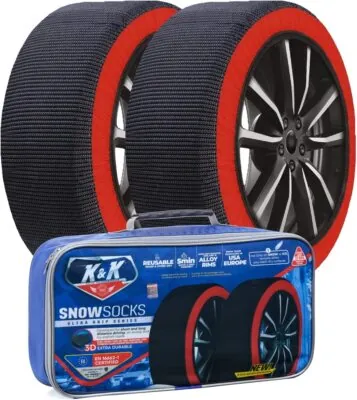
- Ensure you verify your tire size before purchasing, as textile covers aren’t universal and must fit snugly to function.
- Always install these devices on the drive wheels of your vehicle for maximum effectiveness in slippery conditions.
- Remove the covers as soon as you reach cleared pavement, as driving on bare asphalt will cause rapid wear to the fabric.
- Textile traction aids are generally easier to store and install than heavy-duty metal tire chains.
- Check your local Department of Transportation regulations, as some jurisdictions have specific requirements for winter traction devices.
How Do They Work?
Textile traction aids function by using the high-friction properties of specialized fabric to grip snow and ice. Unlike metal chains that bite into the surface, these covers use a textured weave that traps snow fibers, creating a strong bond between the tire and the road surface.
The high-friction fabric is designed to absorb moisture and maintain contact even in sub-zero temperatures. Because they’re flexible, they distribute pressure evenly across the tire tread, which helps prevent damage to your wheels or wheel wells.
Are They Legal Everywhere?
Regulations regarding winter traction equipment vary significantly by state and region. Some areas mandate traditional chains during severe weather, while others accept textile alternatives if they meet specific industry standards. According to the Colorado Department of Transportation winter driving requirements, traction devices must meet specific standards to be legally recognized during a chain law activation. It’s essential to verify if your state recognizes textile covers as a valid substitute for traditional metal chains before relying on them for compliance.
Benefits of Snow Socks for Tires
The primary advantage of using these tools is the ease of installation and the reduced weight compared to metal alternatives. They’re ideal for drivers who encounter occasional snow rather than deep, heavy drifts.
- Compact Storage: They fold flat and fit easily into a small bag in your trunk.
- Quiet Operation: They produce significantly less noise and vibration than metal chains when driving.
- Wheel Safety: They’re far less likely to scratch or damage alloy rims during operation.
- Simple Installation: Most models can be fitted in under five minutes without specialized tools.
Comparison of Traction Options
| Feature | Snow Socks | Metal Chains | Winter Tires |
|---|---|---|---|
| Installation | Very Easy | Moderate to Hard | Professional |
| Noise/Vibration | Minimal | High | None |
| Durability | Low | High | High |
| Storage Size | Very Small | Large | N/A |
Choosing the Right Size
Size selection is critical for the safety and performance of your traction gear. Because these devices are made of fabric, they must be tight enough to stay centered but loose enough to be pulled over the tire. If the fit is too loose, the fabric will bunch up and tear within minutes of use.
Always check your tire sidewall markings to find your exact width, aspect ratio, and wheel diameter. Consult the manufacturer’s sizing chart specifically, as one size of sock might fit several tire variations, but never assume a universal fit.
Proper Installation Steps
Installing these covers is straightforward, but it requires following the correct sequence to ensure they’re properly seated.
- Find a safe, flat location away from moving traffic to park your vehicle.
- Engage the parking brake and turn off the engine before exiting the car.
- Ensure the drive wheels are clean of large chunks of ice or debris.
- Slide the cover over the top of the tire, working your way down the sides.
- Drive the vehicle forward about five to ten feet to expose the bottom portion of the tire.
- Pull the remaining fabric over the bottom section and ensure the elastic tensioning bands are flush against the sidewall.
Troubleshooting Common Issues
Warning: Never attempt to install or adjust these devices while the vehicle is in motion, as this poses a severe risk of injury.
If you notice the covers aren’t staying centered, you may have installed them on the wrong wheels or chosen a size that’s too large for your specific tire. If the fabric begins to fray after only a short distance, you’re likely driving on bare pavement, which is the primary cause of premature failure. Keep the speed limit low—typically under 30 miles per hour—to protect the integrity of the material and prevent the cover from slipping off the tire tread.
Maintenance and Care
To maximize the lifespan of your traction aids, treat them with care after every use. Once you reach a safe area, remove the covers and allow them to air dry completely before storing them in their carry bag.
If they’re covered in road salt or slush, rinse them with clean water and let them dry away from direct heat sources. Never store them while wet, as this can lead to mold or degradation of the synthetic fibers. Storing them in a cool, dry environment will keep the durable textile material ready for the next winter storm.
When to Replace Them
Even with proper care, these items have a limited lifespan compared to steel chains. Inspect the fabric for tears, bald spots, or loose stitching before every trip. If the weave is worn through in any area, the device will no longer provide the necessary grip and may fail catastrophically under load.
Replace the set immediately if you see signs of excessive fabric wear. Relying on damaged equipment in deep snow is dangerous and won’t provide the traction needed to maintain control of your vehicle.
Frequently Asked Questions
Can I drive on dry pavement with snow socks?
No, you should remove them immediately upon reaching cleared pavement. Driving on dry asphalt or concrete causes the high-friction fabric to overheat and disintegrate rapidly. These devices are designed specifically for use on packed snow or ice. Keeping them on bare road surfaces will destroy them within a few miles, rendering them useless for the next time you actually encounter snow.
Do snow socks damage your tires?
No, they’re designed to be gentle on tires. Unlike metal chains, which can cause rubber cuts or sidewall damage if a link breaks, textile covers are made of soft, flexible materials. As long as you choose the correct size and follow the installation instructions, they won’t harm your tires or your vehicle’s wheel wells during normal operation.
Are snow socks effective on deep snow?
They’re highly effective on packed snow and light ice but aren’t a substitute for heavy-duty equipment in deep, unplowed drifts. While they provide excellent grip to get you moving from a stop, they can’t replace the ground clearance of your vehicle. If the snow is deep enough to touch the underside of your car, no traction aid will prevent you from getting stuck.
Can I use snow socks on all four wheels?
While you can use them on all four wheels, it’s typically only required on the drive wheels. Installing them on the drive wheels provides the necessary traction to accelerate and steer effectively. If you have an all-wheel-drive vehicle, check your owner’s manual for specific instructions, as some manufacturers recommend using traction aids on all four tires to protect the drivetrain.
How long do snow socks last?
The lifespan depends entirely on usage conditions and how often they’re driven on bare pavement. With careful use restricted to snowy or icy surfaces, a quality set can last for several seasons. However, driving even a short distance on dry asphalt can ruin them instantly. Always inspect the fabric for thin spots or tears before and after every use to ensure they remain safe.
Conclusion
Maintaining your vehicle’s mobility during winter requires a combination of the right equipment and informed decision-making. By keeping a set of properly sized textile covers in your trunk, you add a reliable layer of safety for unexpected conditions. Always check your tire pressure and review the installation process before the first storm, then stow your gear securely to ensure you’re ready to drive safely when the weather turns.