

You can stop the curtain from moving by adding weight to the bottom hem or using magnetic clips to secure it to the tub wall. Most people find that the easiest way to keep a shower curtain from blowing in involves using simple household items to change the airflow or add ballast to the fabric. If your shower curtain is light, it catches the draft created by the temperature difference between the hot water and the cooler room air, which pulls the curtain inward toward your body.
Why shower curtains move during a bath
The movement of your shower curtain is primarily caused by the Bernoulli principle, which describes how air pressure drops as air speed increases. When you turn on your shower, the spray heats the air inside the enclosure, causing it to rise rapidly. This rising air creates a low-pressure zone, and the cooler, denser air from outside the shower rushes in to replace it. This draft pushes the lighter curtain material toward the center of the shower.
Another factor is the shape of your bathroom and the location of your vents. If your bathroom exhaust fan is strong, it may pull air from the bottom of the shower area, increasing the speed of the draft and making the curtain billow more aggressively. Even a small gap between the curtain and the tub allows this air exchange to happen, which is why a tight seal often solves the problem.
The weight of the material matters too. A very thin plastic liner has almost no resistance against these pressure changes, while a heavier fabric curtain or a weighted liner is much harder for the draft to move. You can check the manufacturer’s care label on your specific liner to see if it’s designed for heavy-duty use, which usually includes built-in weights at the bottom hem National Sanitation Foundation guidance on plastic materials.
Use magnetic weights to secure the liner
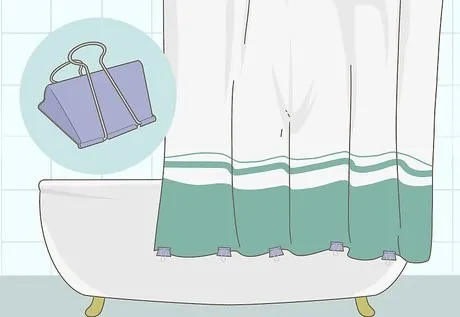
If your bathtub is made of steel, using magnets is the most effective way to keep the liner flush against the side of the tub. You can buy individual magnetic weights that clip onto the bottom hem of most standard liners. These are small, usually no larger than a coin, and they provide just enough force to hold the plastic against the tub wall without damaging the finish.
To install them, simply space three or four weights evenly along the bottom edge of the curtain. If you have a long shower, add one extra weight in the middle to prevent the fabric from bowing inward between the magnets. This method is ideal for anyone who wants a clean look without permanent changes to the bathroom.
However, this only works if your tub is magnetic. If you have a fiberglass or acrylic tub, the magnets won’t stick to the side. In that case, you should look for adhesive-backed metal strips that attach to the tub wall, allowing the magnets to grip the metal surface instead. Always clean the tub surface with rubbing alcohol before applying adhesive strips to ensure they stay in place during high humidity.
Replace your existing curtain with a heavier option
Replacing a thin, lightweight liner with a weighted, heavy-gauge vinyl or fabric option is a permanent fix that requires no extra tools. Look for liners that feature “weighted hems” or “encased weights” in the product description. These curtains have small lead-free weights or heavy metal chains sewn directly into the bottom seam, which keeps the curtain hanging straight down even when the air pressure changes.
This approach is best for people who don’t want to deal with clips or magnets every time they shower. A heavy-gauge liner is also less likely to cling to your skin if it does move, as the material is thicker and less prone to static. When shopping, check the weight or thickness measured in “gauge,” where a higher number like 10-gauge indicates a much thicker, more stable material than a standard 3-gauge liner.
Be aware that heavy curtains require a sturdy rod. If your current tension rod is weak or shows signs of sagging, a heavy curtain might cause it to slip. If you notice your rod bending under the weight, you should switch to a wall-mounted shower rod that uses screws to hold the weight securely, as this prevents the curtain from falling if the tension fails.
Use suction cups to create a seal
Suction cup clips are a reliable way to keep the curtain in place if you prefer not to use weights. These clips attach to the wall or the side of the tub and grip the edge of the curtain, creating a physical barrier that prevents air from entering the shower area. This is a very effective method for those with acrylic or fiberglass tubs where magnets simply won’t function.
To use them, press the suction cup firmly against the wet surface of the tub wall and slide the edge of the shower curtain into the clip. The wetness creates a better seal, which helps the suction cup hold for the duration of your shower. If the cup keeps falling off, ensure the surface is free of soap scum, as build-up prevents a proper vacuum seal.
This fix isn’t for people who want a “set it and forget it” solution, as you must manually attach the clips every time you step into the shower. If you find yourself forgetting to use them, or if the suction cups leave marks on your tub finish over time, you might prefer the weighted hem approach instead. Always check that the clip isn’t so tight that it tears the fabric when you pull the curtain open after you finish bathing.
What not to do
Don’t use heavy metal objects like keys. Tying heavy, sharp items to the hem causes rust and will eventually tear the plastic or fabric, ruining the curtain. If you need weight, use specialized magnetic strips designed for wet environments.
Don’t use water to wet the curtain to the tub. While this makes the curtain stick for a few minutes, it isn’t a long-term solution. The trapped moisture creates a breeding ground for mildew in the folds, which will permanently discolor the material within weeks.
Don’t attach the curtain to the wall with tape. Duct tape or masking tape loses its grip in the steam and leaves a gummy, difficult-to-clean residue on your tiles. If you must secure the edges, use suction cups with hooks specifically rated for bathroom humidity.
Don’t ignore a sagging shower rod. A rod that bows in the center creates gaps at the top and sides. This airflow disrupts the seal, making the curtain billow regardless of how much weight you add to the bottom. If the rod flexes under the curtain’s weight, replace it with a tension model featuring non-slip rubber end caps.
How to stop it happening again
To keep your shower curtain from blowing in permanently, you must focus on weight and seal. If you continue to use a light, inexpensive liner, the air pressure will always move it. You should move toward using a heavy-duty liner or a physical clip system.
| If you’re doing this | Do this instead | Why |
|---|---|---|
| Using a thin plastic liner | Use a 10-gauge weighted liner | Higher weight resists air pressure |
| Relying on just the shower rod | Add magnetic clips to the hem | Magnets hold the curtain to the tub |
| Ignoring gaps on the sides | Use suction cup clips | Clips seal the gap and stop drafts |
| Leaving the exhaust fan on high | Close the bathroom door partially | This reduces the air pull into the bath |
Most people make the mistake of buying curtains with decorative metal grommets, which add bulk at the top but nothing at the bottom. This shifts the center of gravity upward, making the curtain easier to lift. If your tub is acrylic or fiberglass, magnets won’t work. In that case, use adhesive-backed suction cups to lock the liner against the wall.
If you have a walk-in shower with no lip, a weighted hem isn’t enough. You must install a splash guard to break the airflow. Check the gap between your curtain and the wall; if it exceeds one inch, the pressure differential will always win. Move the curtain rod closer to the wall to minimize the intake area.
Frequently asked questions
Can I use coins to weight my shower curtain?
You can use coins if you sew them securely into the hem to prevent them from falling out. Coins are a temporary solution because moisture will eventually cause them to corrode and stain your liner. For a permanent, rust-free result, use stainless steel weights designed for shower curtains.
How long do magnetic shower curtain weights last?
Magnetic weights typically last for several years, depending on the material quality and bathroom humidity. If the magnet is fully encased in plastic or stainless steel, it will remain rust-free for the life of the curtain. Replace the weights immediately if you notice the casing cracking to avoid rust stains.
Why does my shower curtain cling to my legs?
Your curtain clings to you because of pressure differences and static electricity generated by the dry material. A heavier, weighted curtain prevents this inward movement by keeping the fabric taut. Adding a vinegar rinse during your laundry cycle can also reduce the static buildup that causes the fabric to stick.
Is it safe to use lead weights in a shower?
You should never use lead weights in a shower because lead is a toxic heavy metal that poses health risks. Always check packaging to ensure your weights are labeled lead-free, stainless steel, or plastic-coated. If you’re unsure of the material, replace them with a modern, safe alternative.
What happens if I don’t weight my shower curtain?
An unweighted curtain will billow inward, creating a cramped space and allowing water to splash onto your floor. Keeping the curtain weighted ensures it stays in place, which keeps your bathroom floor dry. This also extends the life of your liner by reducing unnecessary wear and tear.
Conclusion
Maintaining your shower curtain is a simple way to improve your daily routine. By using the right weights or clips, you ensure the fabric stays exactly where it belongs, keeping your floor dry and your shower space comfortable. If you decide to upgrade to a weighted liner, choose one that fits your tub’s material and your personal style.