

You can achieve a snug, professional look for your furniture by using fitted sofa cushion covers that match the exact dimensions of your seat pads. These covers work best when you measure the length, width, and height of each cushion before you order. This guide covers how to select the right material, measure your furniture accurately, and install the fabric so it stays smooth and secure during daily use.
Understanding Fabric Slipcovers for Furniture
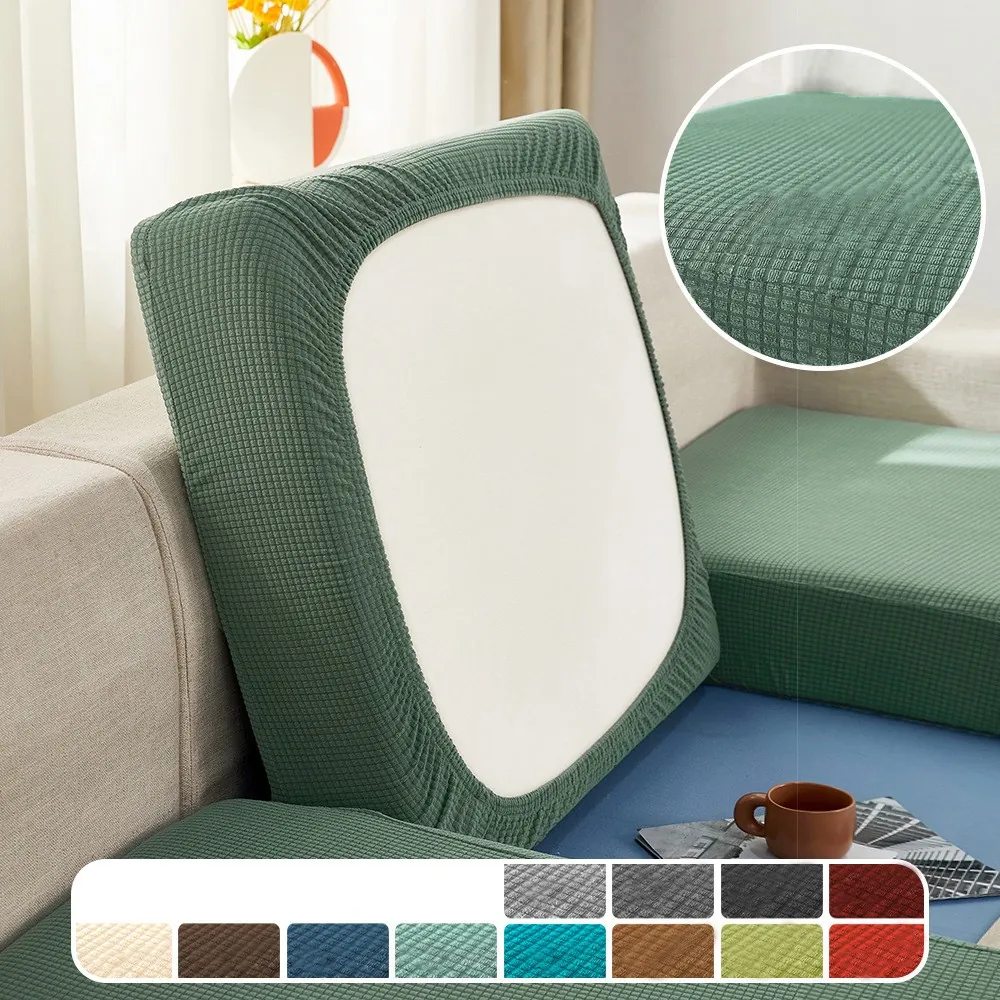
These covers are protective fabric layers designed to wrap tightly around individual sofa cushions. They’re used to refresh the look of worn furniture or to protect fabric from stains and pet hair. Unlike universal throws, these items are built with elasticized edges or zippers to ensure they don’t shift when you sit down.
The main misconception people bring to this task is thinking one size fits all. In reality, sofa cushions vary widely in density and shape, so a cover that’s too small will cause the cushion to bow or warp. If your cushions have high-density foam, you need a cover with enough stretch to accommodate the firm edges without pulling at the seams.
Measuring and Installing Your Covers
- Measure the width of your cushion from the back seam to the front edge.
- Measure the depth across the widest part, ensuring you include the thickness of the side panels.
- Measure the height of the cushion, as this determines how much fabric is needed to wrap underneath.
- Compare your measurements to the manufacturer’s size chart; if your cushion is between sizes, always choose the larger cover to avoid fabric tearing.
- Remove the existing cushion from the sofa frame to make it easier to work on a flat surface.
- Pull the cover over the cushion, starting from the back corners to ensure the alignment is straight.
- Smooth out the fabric toward the front, tucking any excess material into the crevices for a tailored finish.
- Secure the elastic or close the zippers, checking that the cover sits flat without any bunching or ripples.
The secret to a great result is the tucking process. If you leave loose fabric on the surface, it will inevitably pull out the moment someone sits down. Take an extra minute to push the fabric deeply into the seams where the seat meets the backrest.
Essential Measurements and Settings
You must rely on precise numbers to get the right fit for your furniture. If you buy a cover based on a guess, you’ll likely end up with loose fabric that requires constant adjustment. Use this table to understand the typical requirements for different cushion styles.
| Situation | What to use | How long | What to watch for |
|---|---|---|---|
| Standard square | Polyester-spandex blend | 5 minutes | Tightness at corners |
| T-shaped cushion | High-stretch fabric | 10 minutes | Alignment of the “arms” |
| Deep-seated sofa | Heavy-weight cotton | 15 minutes | Sagging in the middle |
| Recliner cushion | Elastic-strap covers | 5 minutes | Movement during tilt |
| Memory foam pad | Breathable knit cover | 5 minutes | Compression of foam |
Achieving a Professional Finish
Experienced users know that preparation is the most important step for a clean look. Before you put the covers on, vacuum the cushions thoroughly to remove crumbs and debris. If you skip this, the trapped particles will press against the new fabric, causing premature wear or uncomfortable bumps.
Work in a specific order: always align the corners first. If you start by pulling the center of the fabric, the corners will never sit square. If you have T-shaped cushions, prioritize the “wings” that extend over the sofa arms. If these aren’t aligned perfectly, the entire cover will look twisted and unprofessional.
Check your work by sitting on the cushion once and standing up. If the cover shifts, you need to tuck more fabric into the back gap. If the cover is too loose, you may need a foam insert or a tension rod to hold the material firmly against the cushion base.
Troubleshooting Common Issues
| What you notice | What it usually means | What to do first |
|---|---|---|
| Fabric keeps sliding out | Not enough tuck depth | Use a furniture grip pad |
| Cover feels too tight | Cushion is oversized | Loosen the elastic straps |
| Wrinkles on the surface | Excess fabric width | Smooth from center outward |
| Zippers are straining | Improper size selection | Switch to a larger cover |
If the fabric slides out despite using grip pads, your tuck depth is likely under two inches. Push the excess material deeper into the crevice using a plastic putty knife rather than your fingers. This creates a firm wedge that resists shifting when you sit.
When the cover feels tight, check your cushion dimensions against the manufacturer’s sizing chart. If your cushion is within one inch of the maximum limit, the fabric will inevitably tear at the seams. In this case, return the cover for the next size up immediately.
Most people mistake surface wrinkles for a poor fit. If you smooth the center outward and the fabric still bunches, you have too much slack. Fold the extra material into a neat pleat at the back corner and secure it with a safety pin.
Regulatory Standards for Home Textiles
Safety standards for home textiles focus largely on fire resistance and chemical content. In the United States, the Consumer Product Safety Commission monitors the flammability of upholstered furniture and the fabrics used on them. If you’re buying covers, check the label for certification that the material meets local fire safety regulations. Look specifically for the NFPA 260 or CAL TB 117-2013 labels, which confirm the fabric passed standardized cigarette ignition tests.
If you have pets or children, you should prioritize covers labeled as machine-washable. Never use heavy chemical cleaners on synthetic stretch fabrics, as these degrade the elastic polymers over time. If a spill occurs, treat the area with a mild, water-based detergent rather than harsh solvents. If you’re unsure about the safety of a specific treatment, contact the manufacturer directly to confirm it’s safe for home use.
Keeping Your Covers Looking New
Once your covers are installed, maintenance is simple but necessary for long-term use. Wash your covers every 3 to 6 months to remove body oils and dust that can degrade the fabric. Always use a gentle cycle and cold water to prevent the elastic from losing its snap.
If you notice the fabric starting to pill, use a fabric shaver to remove the small knots. This keeps the surface looking fresh without damaging the weave. If the covers lose their shape, they may need to be replaced, as heat can permanently damage the elastic fibers.
Avoid using liquid fabric softeners, as these leave a waxy residue that traps dirt deeper into the fibers. If you have pets, use a rubber-bristled brush before washing to lift embedded hair that a standard cycle will miss.
If your fabric is a high-performance synthetic, skip the heat entirely. Air-dry these pieces in the shade to prevent the UV-sensitive polymers from becoming brittle and cracking over time.
When to Skip Fitted Sofa Cushion Covers
Fitted covers aren’t a permanent fix for structural damage. If your sofa cushions have lost their internal foam density or have broken springs, a cover will only hide the issue temporarily. In these cases, you should replace the foam inserts before buying new covers.
If the cushion compresses more than two inches under your hand or fails to spring back immediately, the internal support has failed. Covering a sagging frame only accelerates the wear on the fabric, causing it to tear along the stress points within weeks.
If your sofa has a unique, non-standard shape or custom-built curves, generic fitted covers will likely look messy. For these pieces, it’s better to seek professional upholstery services. A professional can create a custom pattern that follows the exact lines of your furniture. This is the only way to get a truly tailored fit on complex shapes, preventing the baggy, wrinkled appearance that cheap, mass-produced covers inevitably create.
Frequently asked questions
Can I wash my sofa cushion covers in the machine?
Yes, most polyester-blend covers are machine-washable, but you must use a gentle cycle with cold water. Always check the manufacturer’s care tag first, as some decorative fabrics require hand washing or dry cleaning to prevent shrinking or damage to the elastic fibers.
How long do fitted cushion covers typically last?
They usually last for a considerable period with regular use, assuming they’re washed according to the instructions. The lifespan depends on the quality of the fabric and how often the sofa is used, with high-traffic areas showing signs of wear or thinning faster than decorative pieces.
Is it safe to use these covers on leather sofas?
Yes, but you should use a non-slip pad underneath to prevent the covers from sliding. Leather is slippery, and standard fitted covers may move frequently unless you add a grip layer between the leather surface and the cover fabric.
What happens if the cover is too small for my cushion?
If the cover is too small, it will likely tear at the seams or cause your cushion to bow. You should stop the installation immediately and exchange the cover for a larger size, as forcing a tight fit will damage both the cover and the cushion foam.
How do I stop the covers from bunching up?
You can stop bunching by tucking more fabric into the crevices or using furniture grip rods. These small, foam-like cylinders are pushed into the gap between the cushion and the frame, which locks the fabric in place and prevents it from popping out when you sit.
How often should I remove and clean the covers?
You should remove and clean them every 3 to 6 months to maintain hygiene. Frequent cleaning prevents dust mites and skin oils from settling into the fabric, which keeps the material soft and prevents it from smelling or becoming discolored over time.
Can I use these on outdoor furniture?
No, you should only use covers specifically labeled for outdoor use if your furniture stays outside. Indoor covers lack the UV protection and water resistance needed to prevent mold and sun bleaching, which will ruin the fabric within a few weeks of outdoor exposure.
Conclusion
Taking a little extra time to smooth out the fabric will make your living room feel brand new. Once you’ve finished, sit back and enjoy your refreshed space. You’ll find that these simple updates make a huge difference, so don’t hesitate to experiment with different textures or colors next season.