

Yes, it’s true that HomeGoods does sell duvet covers as part of its regular home bedding inventory. You’ll typically find these items in the store’s bedding aisle, where they’re grouped with other linens and sleep accessories. Because the company operates as an off-price retailer, the specific brands, styles, and fabric types change every week based on what the store receives from its suppliers.
Shopping for HomeGoods Duvet Covers
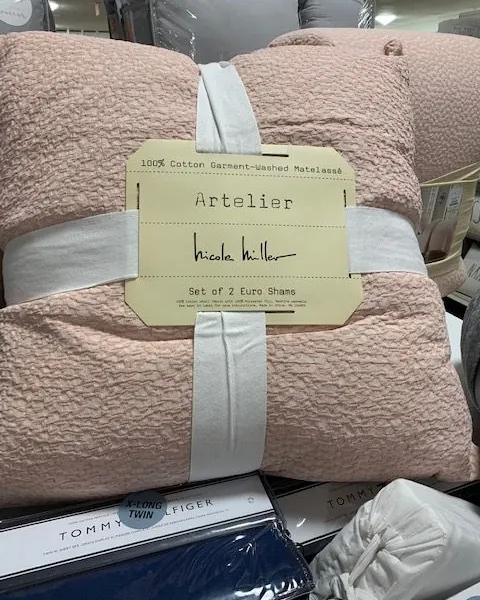
You can find a wide variety of bedding options during any visit to a local store. Use these tips to help you find the right cover for your bed.
Check the bedding department shelves for packaged duvet covers, often found near sheet sets and comforters. If you see a package that looks crushed or taped, skip it. These items are often returns that missing internal ties or corner loops, which cost you hours of frustration when your insert shifts inside the cover.
Look for the fabric content label on the back of the package to confirm if you’re buying cotton, linen, or a synthetic blend. If the label says “microfiber,” expect a warmer, less breathable sleep. Choose cotton or linen if you run hot at night.
Measure your existing duvet insert before you shop. A standard Queen insert often measures 90 by 90 inches, but some brands run larger. If your insert is more than two inches wider than the cover, the fabric will bunch and look messy.
Inspect the packaging for any signs of damage. Items are handled frequently by other shoppers, and loose threads or snags often hide inside the fold.
Compare the price tag against similar items in the same aisle. If you find a high-end brand name, check the stitching density. If the seams show gaps when you pull them gently, the item will likely fail after three wash cycles. Stick to tight, uniform stitching for the best value.
Why Selection Varies by Location
The inventory at any HomeGoods location depends entirely on the current shipments sent to that specific warehouse or storefront. Unlike traditional department stores that order seasonal collections months in advance, this retailer buys merchandise from various manufacturers throughout the year. This business model allows them to offer lower prices, but it means they don’t have a permanent, predictable catalog of products.
If you’re looking for a specific color or thread count, you might not find it on your first trip. The stock is refreshed constantly, so a shelf that’s empty on Tuesday might be fully stocked with new arrivals by Thursday morning. If you see a duvet cover you like, it’s usually best to purchase it immediately, as the store rarely restocks the exact same item once it sells out.
The quality of the materials also varies significantly between shipments. You might find high-end Egyptian cotton one week and affordable polyester blends the next. Always check the textile labeling requirements set by the Federal Trade Commission to understand the fiber content of the specific item you’re holding. If you have sensitive skin or specific material preferences, reading the back of the package is the only way to know what you’re actually buying.
Geography dictates the flow of goods. Stores located in affluent zip codes often receive higher-end inventory, such as designer kitchenware or premium linens, because manufacturers ship overstock from luxury retailers to these regions first. If you’re hunting for a specific brand, prioritize visiting locations in high-income neighborhoods.
Shoppers often make the mistake of waiting for a sale on a unique item they have already found. This is a costly error. Because the inventory isn’t tied to a central replenishment system, that item won’t be marked down later; it will simply be replaced by something else. If the price fits your budget, buy it now. You won’t see it again.
Comparing Retail Bedding Options
| Store Type | Inventory Consistency | Price Range | Returns |
|---|---|---|---|
| HomeGoods | Low/Variable | Low to Mid | 30 Days |
| Department Store | High/Stable | High | 30-90 Days |
| Online Retailer | High/Stable | Varies | Varies |
| Discount Outlet | Low/Variable | Low | Limited |
Shopping at HomeGoods or discount outlets requires a flexible mindset. Because these stores rely on closeouts, you’ll rarely find a complete matching set if you return later for extra shams or a coordinating bed skirt. If you need a cohesive look, buy every piece in a single visit.
Department stores offer the opposite experience. You pay a premium for the ability to replace a single damaged pillowcase five years from now. When checking online retailers, always verify the return shipping policy before clicking buy. Many brands hide restocking fees or require you to pay for return postage, which can easily cost a significant amount on heavy bedding bundles.
If you’re buying for a guest room that sees infrequent use, the lower thread counts found at discount outlets are perfectly adequate. However, for a primary bedroom, prioritize high-quality natural fibers like long-staple cotton or linen. Synthetic blends often pill after ten wash cycles, forcing you to replace the entire set within a year. If the label doesn’t specify the fiber length, assume the fabric will degrade quickly.
How to Choose the Right Cover
Measure your duvet insert’s length and width in inches to ensure the cover provides the right fit. If your measurements fall between standard sizes, always size up to avoid a bunched, lumpy appearance. A cover that’s too small will compress the fill, effectively ruining the loft and warmth of your duvet.
Check the label for thread count and material. Percale cotton offers a crisp, cool feel ideal for hot sleepers, while sateen provides a heavier, silky drape. Avoid blends exceeding 50% polyester, as these trap body heat and often pill after only a few months of use.
Look for internal ties or corner loops. If your insert lacks corresponding loops, sew small ribbons onto the corners of the insert yourself. Without these anchors, the duvet will inevitably migrate to the bottom of the cover, leaving you with an empty shell at the top of your bed.
Examine the closure mechanism. Zippers offer a cleaner look but are prone to breaking if the fabric gets caught in the track. Buttons are more durable and easier to replace, but ensure they’re spaced no more than six inches apart to prevent the insert from peeking through.
Hold the fabric up to the light to check for thin spots or uneven weaving. A high-quality cover should look uniform and opaque. If you see significant light filtering through the threads, the fabric will likely tear after a few wash cycles. Compare the price against the weight of the material to ensure you’re paying for durability rather than just branding.
Common Mistakes When Buying Bedding
Buying a cover without knowing the exact dimensions of your insert leads to a poor fit where the duvet bunches up or slides around. Measure your insert corner-to-corner before shopping. If your insert is 90 by 90 inches, a cover that’s even two inches smaller will cause the filling to fold and create uncomfortable lumps.
Ignoring the washing instructions on the label often results in shrinking or damage to delicate fabrics after the first laundry cycle. If the tag specifies cold water or air drying, follow it strictly. Using a high-heat dryer on linen or bamboo will degrade the fibers, costing you the longevity of the product.
Assuming every store has the same stock means you might waste a trip if you’re looking for a specific matching set. Check the online inventory for your local branch before driving. If you see “limited stock” online, call the store to have an associate physically verify the item is on the shelf.
Failing to check for missing buttons or broken zippers before leaving the store can make it difficult to return the item later. Open the packaging in the aisle. If a zipper catches or a button loop is frayed, leave it. A ten-second inspection prevents a thirty-minute return trip.
Frequently asked questions
Does HomeGoods sell duvet covers in every size?
HomeGoods usually carries duvet covers in standard sizes like Twin, Queen, and King, but availability depends on what the store received in its latest shipment. If you have an oversized or non-standard mattress, you may find it difficult to locate a perfect match. Always check the physical packaging for the exact dimensions in inches, as sizes can vary slightly between different manufacturers and brands.
Can I return a duvet cover if it doesn’t fit my bed?
You can return most items to HomeGoods within 30 days of purchase if you have your original receipt and the item is in its original condition. If you lose your receipt, the store may only offer a store credit at the current selling price. Always keep your proof of purchase until you have tested the cover on your bed to ensure it meets your needs.
How often does the store get new bedding shipments?
Most stores receive new shipments of merchandise several times per week, which means the bedding selection changes constantly. There’s no set schedule for when specific items like duvet covers arrive, so the inventory is different every time you visit. If you’re looking for a specific style, the best approach is to visit during weekday mornings when the shelves are often restocked after the weekend rush.
Is it possible to find matching pillow shams at the store?
You can often find matching pillow shams near the duvet covers, but they’re sometimes sold as separate pieces rather than in a complete set. Because the store sells individual items from various manufacturers, you may need to search the surrounding shelves to find pieces that coordinate in color or pattern. If you find a cover you love, check the nearby bins immediately to see if the matching shams are still available.
Why are the prices lower than other stores?
The prices are lower because the company uses an off-price business model, purchasing excess inventory from department stores and manufacturers at a discount. They don’t maintain a permanent catalog, so they pass those savings on to the shopper. You’re getting the same brands you see elsewhere for less, but you trade the convenience of a stable selection for a lower price point.
Does the store sell the actual duvet insert too?
HomeGoods does sell duvet inserts and comforters, which you can typically find in the same bedding department near the covers. These items are also subject to the same variable inventory as the covers, so the weight, fill material, and warmth level will change based on what is currently in stock. Be sure to read the package details to confirm the fill power and material before you make your purchase.
Conclusion
Since the inventory shifts so quickly, it’s a good idea to check the shelves whenever you’re nearby. You might not find the perfect pattern on your first visit, but don’t get discouraged. Keep popping in regularly, and you’ll eventually spot a beautiful cover that fits your bedroom’s style perfectly.