
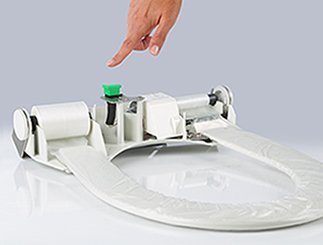
No, the reality is that toilet seat covers work only as a psychological barrier rather than a physical defense against germs. Most paper covers are porous, meaning bacteria and viruses can pass through the material when you sit down. While they provide a clean-feeling layer, they don’t offer a meaningful medical shield against common pathogens.
Facts about toilet seat barriers
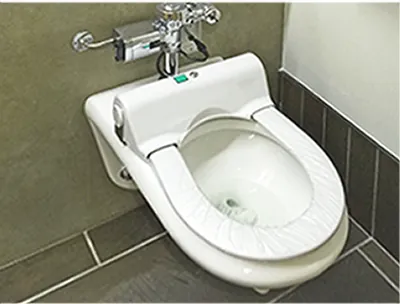
Paper covers are designed for comfort rather than protection, as they don’t block microscopic organisms from passing through the wet or dry fibers. These thin sheets are porous, meaning bacteria and viruses can migrate through the material the moment it touches a damp surface.
The primary way to reduce infection risk is by washing your hands thoroughly with soap and water for 20 seconds after using the restroom. Most people make the mistake of rushing this process, which leaves transient pathogens on the skin. If you can’t reach a sink, use a hand sanitizer containing at least 60% alcohol to neutralize microbes effectively.
Public toilet seats are rarely the source of serious infections, as the skin on your thighs acts as a strong natural barrier against bacteria. Unless you have an open wound or a severe skin abrasion on your legs, the risk of contracting a pathogen from a seat is negligible.
If you find a seat is visibly dirty, it’s safer to use a different stall or wipe the surface with a disinfectant wipe before sitting. If the seat is dry, you’re likely fine, but if it’s wet, the moisture acts as a bridge for bacteria. Always prioritize cleaning your hands over covering the seat. The Centers for Disease Control and Prevention emphasizes that hand hygiene is the most effective way to prevent the spread of germs in any public space.
Why they fail to block germs
The primary reason these paper barriers fail is the porosity of the material. Paper is an absorbent substance by nature, and once it makes contact with a damp seat, it quickly loses any temporary resistance it might have had. Microbes, including bacteria like E. coli or even norovirus, are small enough to travel through the gaps in the paper fibers. If the seat is wet, the moisture acts as a bridge, allowing these pathogens to migrate directly to your skin.
Most people assume the paper creates a sterile seal, but it functions more like a sponge. If you see visible droplets on the rim, the paper will saturate in under five seconds. Once the material is damp, it facilitates microbial transfer rather than preventing it. If the surface is dry, you’re likely safe; if it’s wet, the barrier is effectively useless.
Another issue is the design of the cover itself. Most models are shaped like a horseshoe or a rectangle with a hole in the middle, but they rarely cover the entire surface area of the seat.
You often have to touch the seat or the flushing handle to adjust the paper, which defeats the purpose of trying to avoid contact with high-touch surfaces. Even if the paper stays in place perfectly, your legs and clothing still touch the edges of the seat where the paper doesn’t reach.
Medical experts generally agree that the risk of catching a disease from a toilet seat is extremely low. The human body is equipped with skin that serves as an excellent defense against germs. Unless you have an open wound on your legs or thighs, the chance of a pathogen entering your system through contact with a seat is minimal. Most people worry about the “ick” factor, but from a biological standpoint, the seat isn’t a primary vector for illness.
When the risk profile changes
While standard covers offer little protection, certain situations may change how you approach public restroom cleanliness.
| Situation | What changes | What to do instead |
|---|---|---|
| Visible grime | Surface contamination level | Use disinfectant wipes |
| Open skin wounds | Infection entry point | Use standing position |
| High-traffic areas | Viral load exposure | Use touchless facilities |
| Immunocompromised status | Sensitivity to bacteria | Use personal seat covers |
| Children using seats | Physical contact area | Use portable seat liners |
If you encounter visible grime, don’t rely on a paper barrier. These thin sheets are porous and allow moisture to seep through within seconds. Instead, carry a pack of alcohol-based wipes to sanitize the surface before contact.
When dealing with high-traffic areas like transit hubs or stadiums, assume the viral load is exponentially higher than in a private office. If the facility lacks touchless flush valves or automated doors, use a paper towel to operate every handle. Touching these surfaces directly is the primary way pathogens migrate to your hands.
If you’re immunocompromised, the standard “hover” technique is often safer than relying on public seat covers. These covers frequently slide, forcing you to touch the seat to adjust them. If you must sit, layer two personal, thick-ply covers to create a genuine moisture barrier.
Most people make the mistake of using the first stall they see. If the floor is wet, move to another stall immediately to avoid contact with potentially contaminated liquids. Always choose the stall furthest from the entrance to minimize exposure to high-traffic airflow.
How to use restroom facilities safely
Check the stall for cleanliness before entering to ensure no visible liquids or debris remain on the seat surface. If you find a mess, move to the next stall immediately rather than attempting to clean it yourself.
Use a personal disinfectant wipe to clean the entire seat if you feel uncomfortable sitting directly on the surface. If you lack wipes, place a paper cover carefully to avoid touching the underside of the seat. Note that toilet paper layers are often porous; if the seat is damp, a paper cover will soak through in seconds.
Avoid touching the flush handle with your bare hands by using a piece of toilet paper as a buffer. Many people make the mistake of using their sleeve, which risks contaminating your clothing. Instead, use a folded square of paper and discard it in the bowl before flushing.
Wash your hands immediately after exiting the stall, scrubbing for at least 20 seconds with warm water and soap. Focus on the areas between your fingers and under your nails, as these are the most common spots for lingering bacteria.
Dry your hands completely with a paper towel. Use that same towel to grip the handle and open the restroom exit door. If the door is a push-style, use your hip or shoulder to avoid contact with your palms.
Common mistakes that make toilet seat covers not work
Laying layers of toilet paper on the seat often results in the paper falling into the bowl, which can cause clogs. If you must use a barrier, place only two small strips across the back contact points rather than lining the entire rim. A full nest of paper creates a bridge that wicks water and bacteria upward, defeating the purpose of the barrier entirely.
Touching your face or phone after contacting the stall door or flush handle transfers the very pathogens you sought to avoid. Use a paper towel as a buffer when operating these fixtures. If you find yourself without one, use your elbow or a knuckle to minimize surface area contact.
Assuming a covered seat is sterile leads to a false sense of security, causing people to skip essential hand washing. A seat cover is a physical shield, not a disinfectant. Regardless of your method, you must scrub with soap for at least twenty seconds.
Trying to hover over the seat leads to muscle strain and often results in more mess for the next user. If you can’t sit, use a squatting stance that keeps your center of gravity stable. If you’re unsteady, sit down.
Frequently asked questions
Can I catch an STI from a toilet seat?
No, you can’t contract a sexually transmitted infection from a toilet seat because these pathogens can’t survive long outside the human body. Bacteria and viruses die quickly when exposed to cold, dry surfaces like plastic or porcelain. You’re at a much higher risk from direct contact with other people than from restroom surfaces.
Is it safer to hover over the seat?
Hovering isn’t recommended because it’s physically difficult and often leads to an unsanitary environment for the next person. If you’re worried about cleanliness, it’s better to wipe the seat down with a sanitizing wipe before sitting. Most public toilets are designed to be sat upon, and your skin provides a sufficient barrier against the germs found in a typical office or retail environment.
Do paper seat covers stop bacteria?
No, paper seat covers don’t block bacteria because the material is porous and allows microscopic organisms to pass through easily. These covers are intended to provide a layer of comfort rather than a biological shield. If you want to ensure the seat is clean, use a disinfectant wipe that’s proven to kill bacteria. Paper covers are essentially a placebo that helps users feel more comfortable in a shared space.
How do I know if a seat is clean?
A seat is considered clean if it’s free of visible moisture, debris, or biological fluids. If you see any liquid on the seat, assume it’s contaminated and either clean it thoroughly or choose another stall. You don’t need a laboratory test to know when a seat is dirty; your eyes are usually enough to judge if the area is safe for use.
Does it matter if the seat is warm?
No, a warm seat doesn’t necessarily mean it’s more dangerous than a cold one. While heat can sometimes help bacteria survive, the biggest risk remains the physical contact with contaminated surfaces. The temperature is simply a result of the last person using the seat, not an indicator of a higher concentration of germs. Focus on your own hygiene instead of the temperature of the plastic.
Should I use a seat cover for my child?
Yes, using a seat cover or a portable seat liner is a good idea for small children who have less developed immune systems. Children often touch the seat or hold onto the sides of the bowl, which increases their risk of coming into contact with germs. A portable liner provides a physical barrier and often includes side flaps that cover more surface area than standard public paper covers.
Conclusion
Instead of worrying about paper barriers, focus on what you can control. You’ll stay much healthier by washing your hands thoroughly with soap and water for twenty seconds after you leave the stall. It’s the simplest, most effective way to keep germs away and protect yourself throughout the day.