
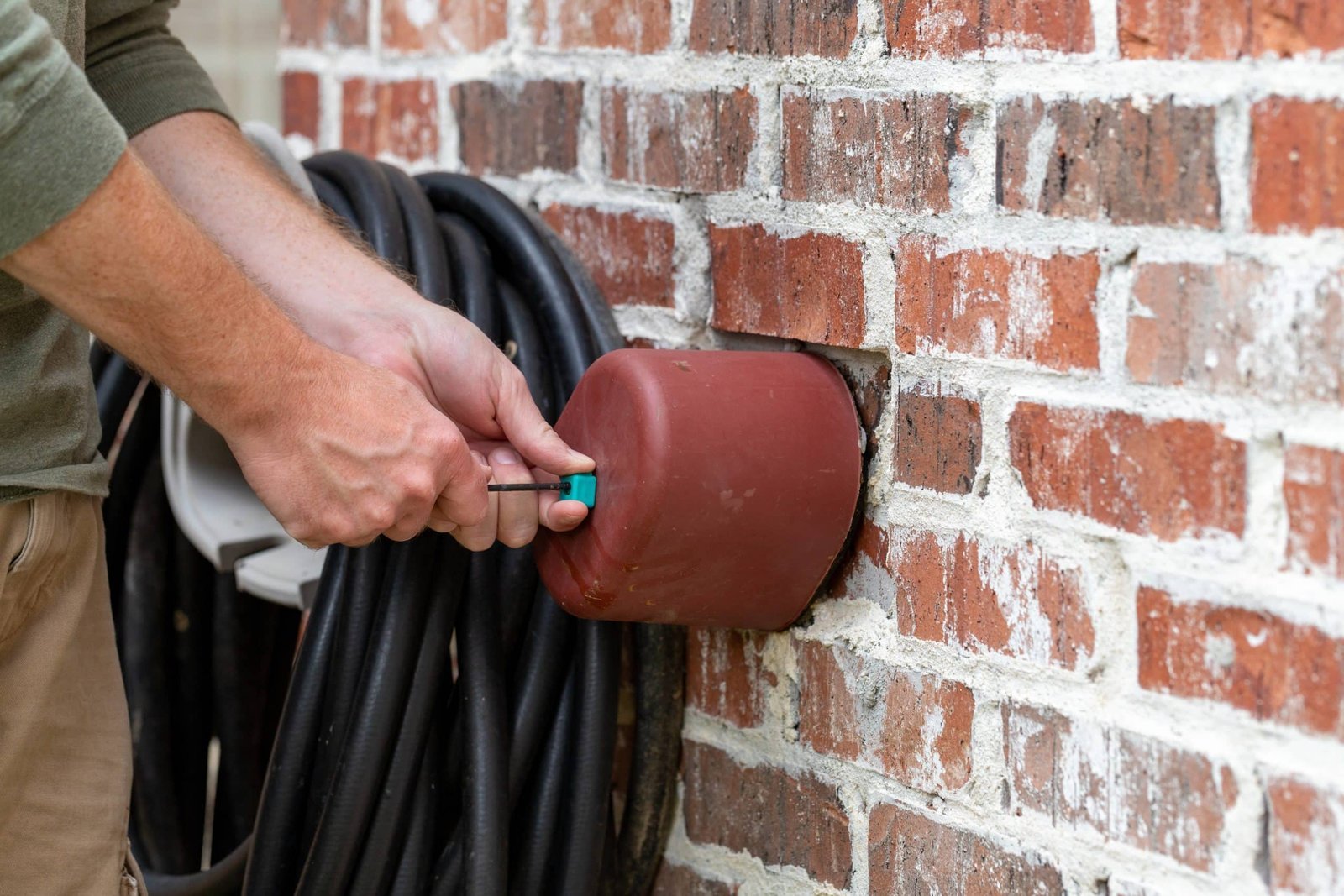
Faucet covers are highly effective tools for preventing frozen pipes, as they work by trapping the heat radiating from your home’s interior against the metal sill cock. When exterior temperatures drop below freezing, the water inside your outdoor spigot can expand, potentially causing the pipe to burst behind your wall or inside your basement. Installing a simple insulated cover creates a thermal barrier that slows heat loss, keeping the fixture above the freezing threshold. You can typically purchase these protective devices for a cost ranging from $5.00 to $15.00 per unit, though professional-grade or multi-pack options may run between $12.00 and $35.00 depending on the material and insulation density.
Key Takeaways
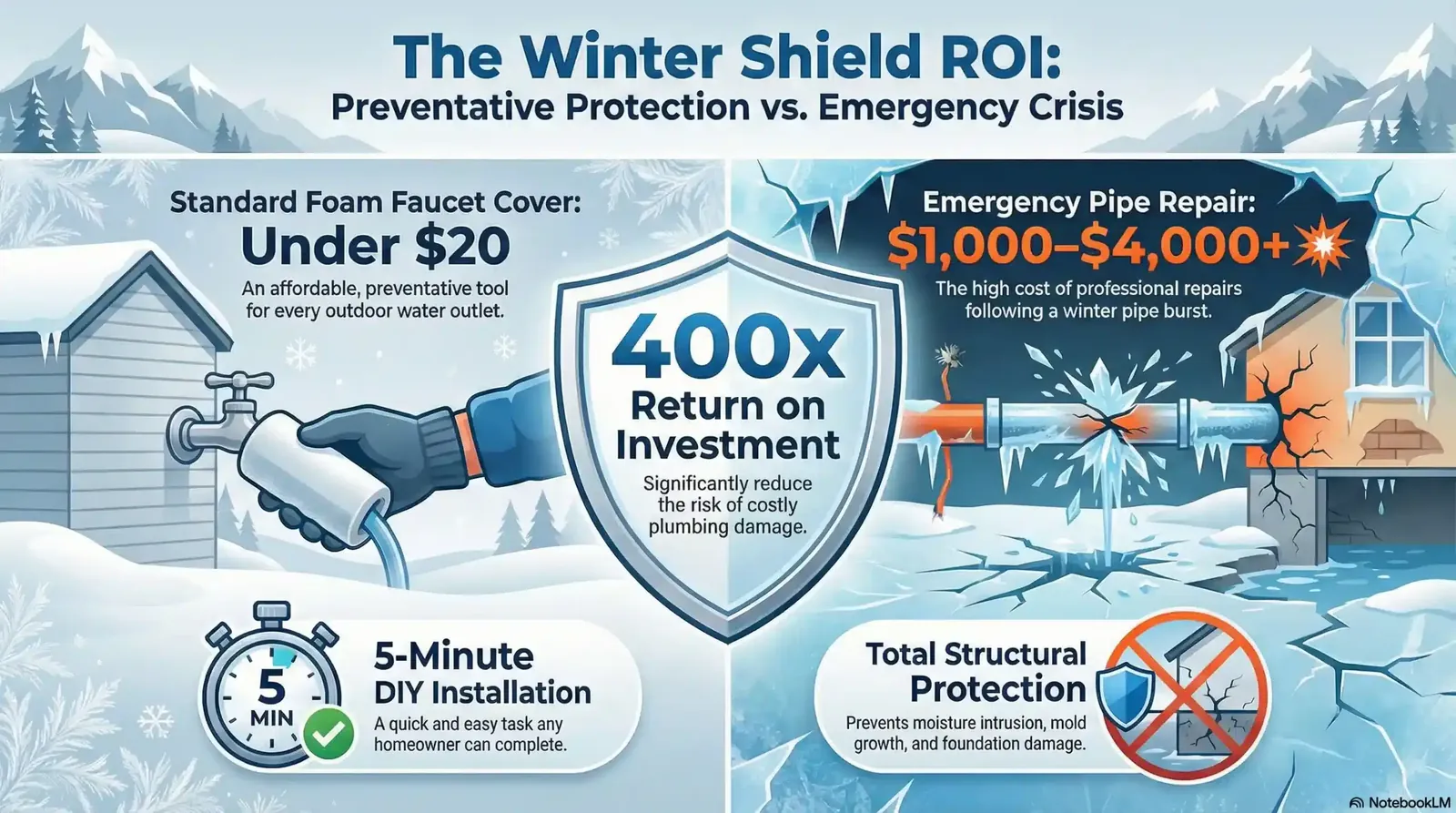
- Faucet covers prevent costly water damage by keeping the outdoor spigot above the freezing point of water.
- Proper installation requires a snug, airtight fit against the siding to ensure the insulation works correctly.
- Hard-shell covers provide superior impact protection and insulation compared to simple foam-block versions.
- You should install covers before the first hard frost of the season to ensure maximum protection.
- Removing hoses before installing the cover is mandatory for the device to seat properly against the wall.
Do Faucet Covers Really Work?
Yes, they function by creating a micro-climate around your exterior plumbing fixture. By sealing the spigot off from biting winter winds, the cover retains the ambient heat escaping through the wall from your home’s interior.
While a cover can’t generate heat, it serves as a high-efficiency thermal insulator that prevents the rapid heat transfer that leads to ice formation. According to the Insurance Institute for Business and Home Safety, protecting exterior plumbing is one of the most effective ways to mitigate the risk of catastrophic pipe failure during extreme cold weather events.
The Physics of Freezing
Water expands by approximately 9% when it turns to ice. If your outdoor spigot isn’t insulated, the water inside the pipe segment connected to the spigot loses heat rapidly to the surrounding sub-zero air. Once that water freezes, the pressure builds up, often pushing back into the house and causing copper or PEX pipes to split. A protective faucet shield interrupts this process by maintaining a temperature differential that keeps the water in a liquid state.
Types of Faucet Covers Available
| Cover Type | Material | Best Use Case | Durability |
|---|---|---|---|
| Foam Block | Polystyrene | Mild climates | Low |
| Hard-Shell | Plastic/Rubber | Severe winter areas | High |
| Insulated Pouch | Fabric/Fiberfill | Temporary protection | Moderate |
| Heated Covers | Electric/Cable | Extreme sub-zero temps | High |
Choosing the Right Protection
When selecting a cover, consider your local climate. For regions that experience brief freezes, a standard foam block is often sufficient. However, if you live in an area where temperatures remain below freezing for weeks, a heavy-duty hard-shell cover with a rubber gasket is the superior choice. These covers feature locking mechanisms that pull the unit tight against your house siding, creating an airtight seal that prevents cold air infiltration.
Step-by-Step Installation Process
- Disconnect Hoses: Always remove garden hoses, as trapped water inside the hose can freeze and force ice back into the valve.
- Drain the Line: If your home has an indoor shut-off valve for the outdoor spigot, turn it off and open the outdoor faucet to drain any remaining water.
- Inspect the Gasket: Ensure the foam or rubber gasket on the back of your cover is clean and free of debris.
- Align and Secure: Place the cover over the faucet and tighten the locking nut or strap until the gasket makes full contact with the wall.
- Test for Gaps: Feel around the edges of the cover; if you feel a draft, adjust the tension to ensure a tight weather seal.
Why Your Faucet Might Still Freeze
Even with a cover, certain conditions can cause a pipe to burst. If your faucet isn’t a “frost-proof” style, the valve seat might be located inside the wall, but if the pipe leading to it’s uninsulated within the wall cavity, the cover alone can’t stop a freeze. Furthermore, if you leave a splitter or a hose attached, the cover can’t sit flush against the wall, creating a path for freezing air to reach the exposed plumbing fixture.
Essential Maintenance and Storage
Pro Tip: Label your faucet covers with the location of the spigot they belong to if you have different sizes, as this makes spring re-installation much faster.
During the spring, remove the covers to prevent moisture buildup and mold growth behind the unit. Inspect the gaskets for cracks or hardening; if the material has become brittle, it will no longer provide a proper seal and should be replaced. Store your covers in a dry, dark place, such as a garage shelf or storage bin, to preserve the structural integrity of the insulating foam layers.
Comparing Hard-Shell vs Foam Covers
| Feature | Hard-Shell Covers | Foam Block Covers |
|---|---|---|
| Installation Effort | Moderate | Very Easy |
| Moisture Resistance | Excellent | Poor |
| Wind Protection | High | Moderate |
| Average Lifespan | 5-10 Years | 1-2 Seasons |
When to Upgrade
If you notice your foam covers are cracking or crumbling after one winter, it’s time to upgrade. Hard-shell units are designed to withstand UV rays and heavy snow loads, making them a better long-term investment for homeowners in northern climates. These durable exterior guards often feature internal insulation lining that’s protected from the elements, ensuring the R-value remains consistent throughout the entire winter season.
Common Signs of Pipe Damage
- Low Water Pressure: This often indicates a partial blockage or a small leak in the line.
- Discolored Water: Rust or sediment entering the line can signal an internal pipe rupture.
- Unusual Sounds: Banging or clanking inside the wall when you turn on the faucet.
- Visible Ice: Frost appearing on the wall or the spigot itself during cold spells.
- Moisture Spots: Dampness on the interior wall near where the outdoor faucet enters the house.
Troubleshooting Your Outdoor Plumbing
If you discover that your pipes have already frozen, don’t attempt to thaw them with an open flame. Use a hairdryer on a low setting or wrap the pipe in warm, damp towels to gradually increase the temperature. If the pipe has already burst, shut off your main water supply immediately to prevent flooding. Once the area is dry, assess whether the insulation barrier was properly installed or if the pipe requires professional repair to address a deeper plumbing issue.
Preparing for Extreme Cold Events
When a deep freeze is forecasted, take extra precautions beyond just using faucet covers. Open cabinet doors under sinks that share a wall with exterior faucets to allow warm air to circulate. If the temperature is expected to drop significantly below zero, consider letting your faucet drip slightly; moving water is significantly less likely to freeze than stagnant water. Combining these preventative winter tactics with reliable covers provides the best defense for your plumbing system.
Warning: Never use a propane torch to thaw frozen pipes, as this creates a significant fire hazard and can cause the pipe to rupture violently due to rapid pressure changes.
Frequently Asked Questions
Do I need a cover for frost-proof faucets?
Yes, you should still use a cover. While frost-proof faucets have a long stem that moves the valve seat inside the warm wall, they can still freeze if a hose is left attached or if the internal seal fails. A cover provides a secondary layer of protection, especially during extreme cold snaps, and helps prevent the handle mechanism itself from icing over and becoming difficult to operate.
How often should I replace faucet covers?
Foam covers typically last one to two seasons before they begin to degrade or lose their shape. Hard-shell plastic covers are much more durable and can often last five to ten years with proper care. You should inspect your covers every autumn before the first freeze; if the gasket is cracked or the shell is brittle, it’s time to purchase a new one.
Can I leave a hose attached under the cover?
No, you can’t leave a hose attached. The presence of a hose prevents the cover from sitting flush against the exterior wall, which allows cold air to bypass the insulation entirely. Furthermore, the water trapped inside the hose can freeze and expand, potentially damaging the faucet’s internal components or the connection point, rendering the protection of the cover completely ineffective.
What if my faucet is in a hard-to-reach spot?
If your faucet is located behind bushes or in a tight corner, look for “pouch-style” insulated covers. These are made of flexible, weather-resistant fabric and can be cinched tight with a drawstring. They’re much easier to maneuver in cramped spaces than rigid plastic shells while still providing adequate insulation to keep the valve from freezing during moderate winter weather.
Are heated faucet covers worth the price?
Heated covers are generally only necessary in extremely cold climates or for faucets located in particularly exposed, wind-swept areas. They require an electrical outlet nearby and consume energy, but they offer the highest level of protection against pipe bursts. For most residential homes in typical climates, a high-quality, non-heated hard-shell cover provides sufficient protection without the added expense or complexity of an electrical connection.
Conclusion
To ensure your home remains protected throughout the winter, walk the perimeter of your house this weekend to identify every outdoor spigot. Remove any attached hoses, drain the lines if possible, and install a high-quality hard-shell cover on each fixture. Taking these simple steps now will save you from the stress and expense of dealing with burst pipes when the temperatures eventually drop.