
Yes, shower curtains come in a wide variety of lengths designed to accommodate different tub configurations, ceiling heights, and aesthetic preferences. While many shoppers assume there’s a single “standard” size, the reality is that bathroom dimensions vary significantly, requiring a range of options to ensure proper coverage and water containment. Understanding these variations is essential for achieving a functional and polished look in your home.
Key Takeaways
- Standard shower curtains are typically 72 inches long, but extra-long options are widely available for high-ceiling bathrooms.
- Measure from your shower rod down to the floor or the top edge of your bathtub to determine your specific size needs.
- Always account for the length of your shower curtain rings or hooks, as these add several inches to the total drop.
- Selecting the right length prevents water from splashing onto the bathroom floor, which helps mitigate long-term moisture damage.
- Consider a weighted hem or a liner that’s slightly shorter than the decorative curtain to keep your space looking tidy and clean.
Do Shower Curtains Come In Different Lengths?
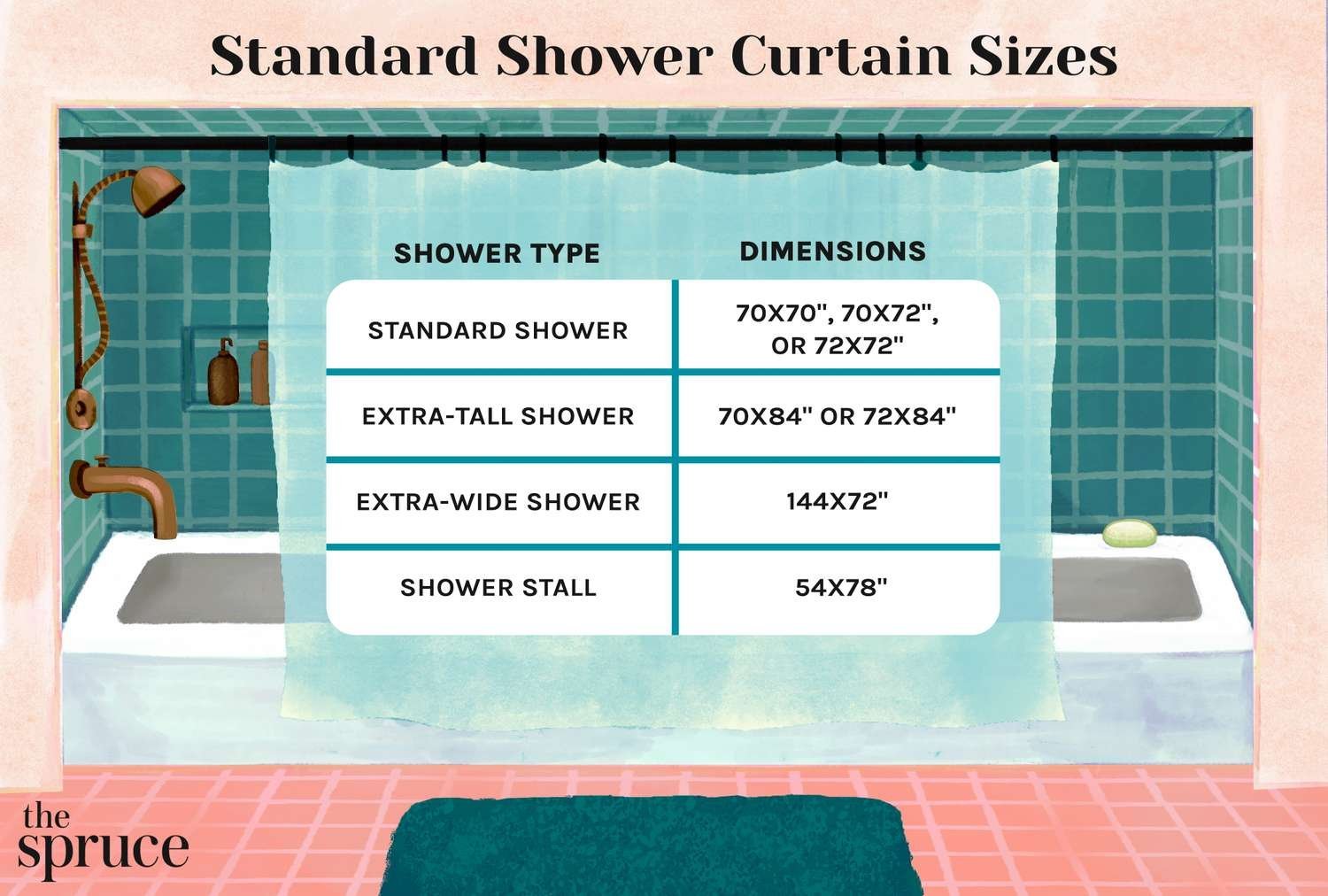
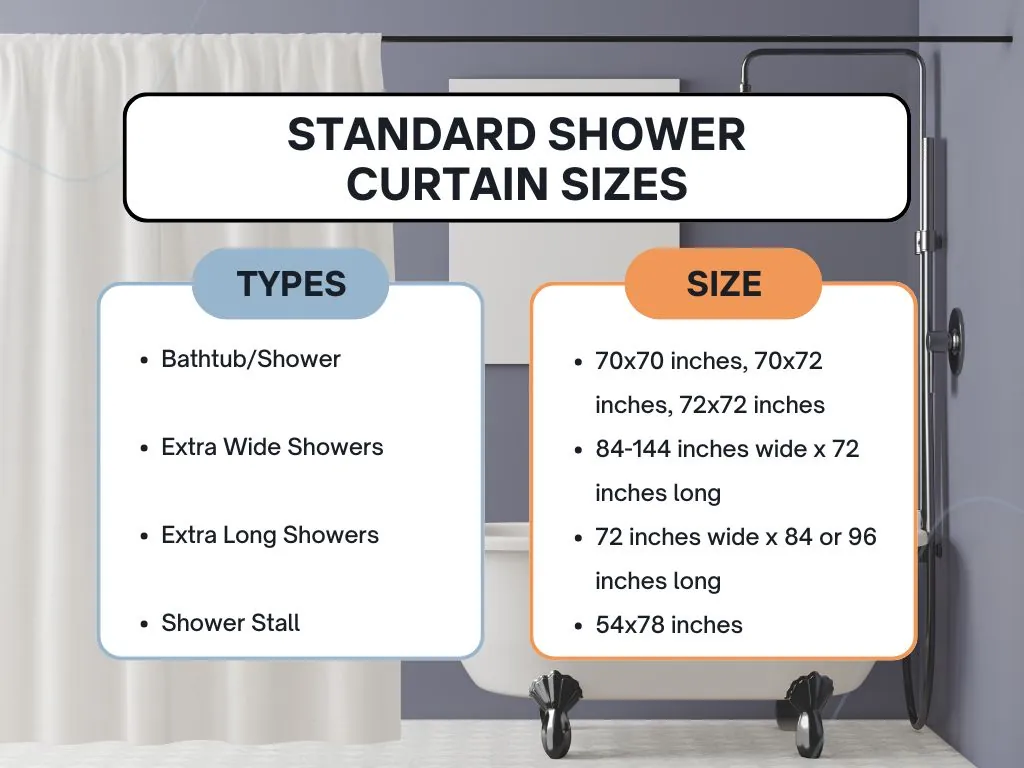
The short answer is yes, shower curtains are manufactured in several standard and non-standard lengths to suit diverse architectural needs. While the retail market is dominated by the 72-inch length, specialty retailers offer options ranging from 70 inches for smaller stalls to 96 inches for high-ceiling walk-in showers. Recognizing that your space might not follow the “one-size-fits-all” rule is the first step toward a better bathroom setup.
Why Length Matters for Functionality
The primary purpose of a shower curtain is to keep water contained within the shower area. If your curtain is too short, water will inevitably spray onto your bathroom floor, creating a slip hazard and promoting mold growth. Conversely, a curtain that’s too long will bunch up on the floor, creating a tripping hazard and accumulating soap scum and dirt at the bottom hem. Achieving the perfect drop length is critical for both safety and cleanliness.
Standard Versus Specialty Dimensions
Most physical retail stores focus on the most common sizes, but online marketplaces offer a broader spectrum of choices. To ensure you purchase the correct item, you must distinguish between standard residential sizes and those intended for commercial or specialized use.
| Curtain Type | Typical Length (Inches) | Best Use Case |
|---|---|---|
| Standard Stall | 70 – 72 | Traditional bathtubs |
| Extra Long | 78 – 84 | High shower rods |
| Extra Tall | 90 – 96 | Walk-in showers/ceilings |
| Custom/Specialty | 48 – 108 | Unique architectural designs |
How To Measure Your Shower Area
Before you shop, you need accurate numbers. Don’t rely on guessing or past experiences, as rod placements can vary by several inches depending on the installer. Use a metal measuring tape to get the most precise reading.
- Locate the rod: Measure from the top of your shower rod to the point where you want the curtain to end.
- Account for hardware: Subtract the length of your curtain rings or hooks. If your rings are 2 inches long, you need a curtain that is 2 inches shorter than your total measured drop.
- Consider the liner: Your liner should ideally be 1 to 2 inches shorter than the decorative curtain to prevent it from showing at the bottom.
- Check for obstructions: Ensure there are no vanity cabinets or floor vents that might interfere with a longer curtain.
Pro Tip:
Measure twice from different points along the rod. Floors and tubs aren’t always perfectly level, and a curtain that looks fine on one side might drag on the other if the floor is slightly sloped.
Common Materials and Their Durability
The material of your curtain will influence how it hangs and whether it shrinks over time. Cotton or linen blends, for example, might require different considerations regarding length compared to synthetic options. Always check the label for washing instructions, as some fabrics may lose length after the first cycle in a hot dryer.
- Polyester: Highly resistant to shrinking and water damage; maintains length well over time.
- Cotton Duck: Durable and heavy, but prone to slight shrinkage if washed in hot water.
- PEVA/Vinyl: Excellent for water repellency, though they don’t shrink, they can become brittle if they touch the floor constantly.
- Microfiber: Lightweight and quick-drying, making it an ideal choice for high-moisture environments.
Selecting the Right Curtain Rod Height
The height of your shower rod dictates the necessary length of your curtain. In many modern homes, rods are installed at 75 to 80 inches from the floor. If you’re installing a new rod, you have the flexibility to adjust the height to match a specific curtain length you like. However, if the rod is already fixed, you must adjust your curtain choice to fit the existing space.
Adjusting for Decorative Flair
If you find a curtain you love that’s slightly too long, you have a few options. You can use decorative clips to “gather” the curtain, or you can have the hem professionally altered. Never rely on folding the curtain over the rod, as this creates a bulky, uneven look that makes the hardware difficult to slide.
Troubleshooting Common Length Issues
Even with careful planning, you might encounter issues once the curtain is hung. Here is how to address the most frequent problems:
- The curtain drags: This often happens if the rod is too low or the curtain is too long. Use smaller rings or consider shortening the hem.
- The curtain is too high: If there’s a large gap between the floor and the curtain, water will spray out. You may need a longer liner or a set of extended length rings.
- Uneven hemline: If the curtain appears lopsided, check that your rod is level. If the rod is fine, the curtain itself may have a manufacturing defect or uneven stitching.
- Bunching at the sides: This usually occurs when the curtain width is too wide for the opening, causing it to fold over itself and look messy.
Choosing Between Liners and Curtains
Many people wonder if the liner needs to be the exact same length as the decorative curtain. The answer is no. In fact, it’s often better for the liner to be slightly shorter. This prevents the liner from trapping moisture against the floor or getting caught underfoot.
Essential Hardware Accessories
Your choice of hardware can influence how your curtain hangs. Some hooks are long, while others are flush against the rod. Always account for:
- Roller ball hooks: These provide a smooth glide and add about 1.5 to 2 inches of drop.
- Decorative rings: These vary wildly in size and can add anywhere from 1 to 3 inches to the total length.
- Magnetic weights: If your curtain is too light and blows inward, these can help hold it against the tub wall, effectively managing the “effective length” of the curtain.
Maintenance and Longevity Tips
To keep your curtain looking its best regardless of its length, establish a regular cleaning routine. Synthetic curtains should be wiped down periodically to prevent soap scum buildup. Fabric curtains should be machine washed according to the manufacturer’s care tag.
Warning: Avoid using harsh bleach on colored curtains, as it can weaken the fibers and cause the fabric to fray or lose its shape, which will eventually alter the way it hangs in your shower.
Frequently Asked Questions
Can I shorten a shower curtain myself?
Yes, you can hem a fabric shower curtain using a sewing machine or iron-on adhesive tape. Simply measure the desired length, mark it with pins, and fold the excess fabric to create a clean hem. For vinyl or PEVA curtains, you can use heavy-duty scissors to trim the bottom, though you must be careful to keep the cut perfectly straight to avoid a ragged appearance.
Do extra-long curtains cost more?
Generally, yes. Because they require more raw material and are produced in lower volumes than standard 72-inch curtains, extra-long or extra-tall options typically carry a higher price tag. You can expect to pay a premium of 15% to 30% more for custom or extended-length curtains compared to standard retail options found in big-box stores.
Should the curtain touch the floor?
In a walk-in shower, the curtain should ideally just brush the floor to prevent water from escaping. In a standard bathtub, the curtain should hang inside the tub, usually about 6 to 12 inches below the top edge of the basin. If the curtain touches the floor outside of a tub, it will soak up water and become a breeding ground for mold.
Are there different widths as well?
Yes, shower curtains come in several widths. The standard width is 72 inches, which fits most standard bathtubs. However, if you have a wider walk-in shower or a double-wide enclosure, you may need extra-wide curtains, which can range from 84 inches to 108 inches or more. Always measure your rod’s horizontal span to ensure the curtain has enough “fullness” to drape beautifully.
How do I stop the curtain from blowing in?
If your curtain is the correct length but still blows inward, the issue is likely air pressure. You can solve this by installing a curved shower rod, which provides more elbow room and keeps the curtain away from your body. Alternatively, use weighted magnets at the bottom corners of the curtain to hold it securely against the sides of the bathtub.
Conclusion
Finding the right shower curtain length is a simple yet impactful way to improve your bathroom’s functionality and aesthetic. Start by measuring your rod-to-tub distance, then browse options that match your specific dimensions and style preferences. Whether you need a standard fit or an extra-long solution, taking the time to select the correct size will ensure a clean, dry, and inviting space for years to come.