
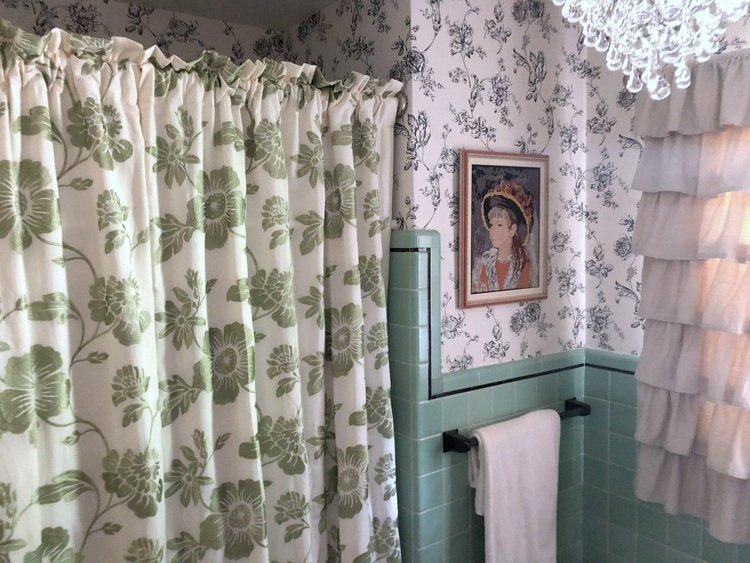
No, you shouldn’t use standard fabric curtains for a shower because they lack the water-repellent properties needed to prevent mold and water damage. While it’s technically possible to hang a decorative cloth, it will quickly soak up water, become heavy, and harbor mildew in your bathroom. If you must use a fabric cover for style, always pair it with a waterproof liner. This keeps the moisture contained and protects your floors from leaks that cause long-term structural rot.
Situations for shower curtains
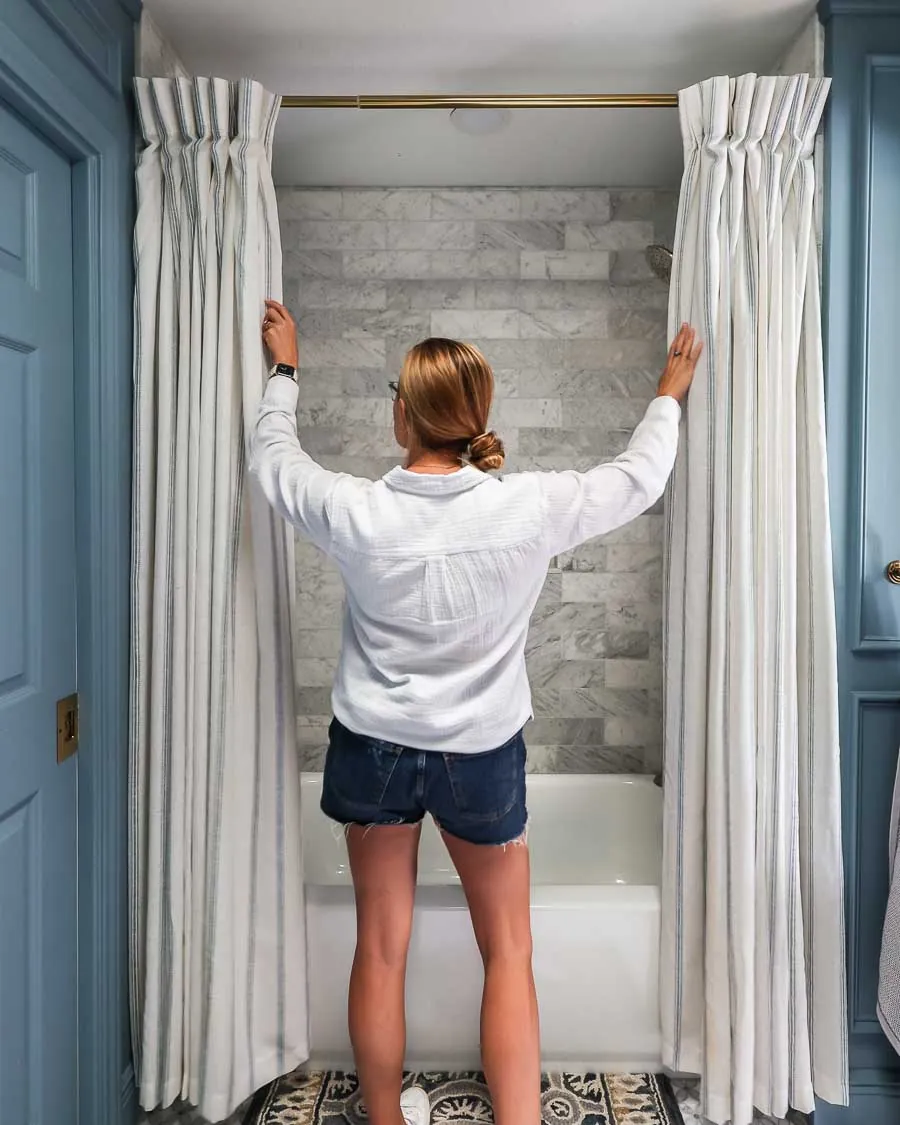
Selecting the right material depends on your specific setup and how often you use the space. Most households require a dedicated waterproof layer to keep the bathroom dry and safe.
| Your situation | Answer | Why |
|---|---|---|
| Daily shower use | No | Fabric absorbs too much water |
| Occasional guest bath | Yes | Low moisture exposure is manageable |
| Small, unventilated room | No | High humidity promotes rapid mold |
| Decorative outer layer | Yes | Use with a waterproof liner |
| Walk-in glass enclosure | Yes | Curtains are purely for style |
| High-traffic family bath | No | Constant dampness ruins fabric quickly |
If your bathroom lacks a window or a high-powered exhaust fan, avoid heavy cotton blends entirely. These materials trap moisture, which leads to mildew growth within 48 hours of heavy use. In these cramped spaces, stick to thin, antimicrobial PEVA liners that dry quickly between uses.
If you have a walk-in glass enclosure, you can prioritize aesthetics over utility. Choose heavy linen or textured polyester for a soft, hotel-like appearance. Since the glass contains the spray, the fabric never saturates.
The most common mistake is choosing a single-layer fabric curtain for a high-traffic shower. You’ll end up washing it weekly, which destroys the weave and ruins the drape. If you must use fabric, always pair it with a plastic liner. The liner takes the brunt of the water, keeping the decorative layer dry and clean for months.
Factors that influence your choice
The main factor deciding if you can use a specific curtain is the material’s ability to resist moisture. Most standard curtains are made of cotton, polyester blends, or linen, which are porous by design. When these materials get wet, they stay damp for hours. This environment is the primary cause of mold growth, which the Environmental Protection Agency identifies as a health risk in indoor spaces with high humidity.
Water resistance is the key limit for any bathroom fabric. If a curtain isn’t treated with a hydrophobic coating, it acts like a sponge. Even if you have a strong exhaust fan, the fabric will likely remain wet long enough for spores to settle. You must also consider the weight of the material. A wet cotton curtain can become quite heavy, which puts extra stress on your rod and rings.
Test your current ventilation by checking the mirror ten minutes after a shower. If the glass is still fogged, your room lacks the airflow to dry natural fibers. In this case, choose synthetic materials like polyester treated with a water-repellent finish.
If your bathroom has excellent ventilation, you might get away with a quick-drying synthetic fabric for short periods. However, if the room stays humid for more than an hour after a shower, you need a dedicated plastic or PEVA liner.
If you have a high-traffic bathroom, you should always use a dedicated shower liner; if you only use the space for occasional guests, a single decorative curtain might suffice. Avoid heavy, textured weaves in small rooms, as they trap moisture in the folds and take twice as long to evaporate. Always prioritize materials that shed water instantly rather than absorbing it.
How to manage your shower setup
If you decide to use a decorative curtain, you must follow these steps to keep the area clean and functional. Using a secondary barrier is the only way to keep your bathroom floor dry.
Install a tension rod securely inside the shower frame. If your tile is slick, add a small bead of silicone or a rubber grip pad behind the rod ends to prevent slippage. Ensure the rod is level so the rings slide smoothly across the full width of the opening.
Attach the waterproof liner to the inner rings first, facing the inside of the shower. This layer stops water from splashing onto the outer fabric.
Hang the decorative curtain on the outer rings, positioning it to overlap the liner slightly. The decorative layer should never touch the shower floor, as this wicks moisture upward. If your curtain hits the floor, shorten it by two inches to stop mold growth at the hem.
Extend the liner fully across the tub after every shower to prevent water from pooling in the folds. This simple action allows the material to air-dry completely between uses.
Check the hem regularly for signs of soap scum or discoloration. If the liner becomes stiff or shows dark spots, replace it immediately to maintain a hygienic environment. A clear, heavy-gauge vinyl liner is the most durable choice, while fabric liners require machine washing as needed based on use and the owner’s manual to stay free of mineral buildup.
The mistake people make
The most common mistake is hanging a single fabric curtain without a protective liner. This forces the fabric to act as both a splash guard and a decoration, which it isn’t designed to do. Because fabric absorbs moisture, it stays wet for hours, leading to persistent odors and visible mold growth within just a few weeks.
This mistake often forces you to replace the curtain frequently or, worse, deal with damaged drywall or floor tiles caused by constant water seepage. You can avoid this by ensuring the decorative layer never touches the spray and always keeping a dedicated, non-porous liner between the water and your fabric.
If your curtain is damp to the touch six hours after your last shower, you’re already failing this test. You must swap the fabric for a vinyl or PEVA liner immediately. If you prefer the look of fabric, use a double-hook system to hang both layers simultaneously. The liner goes inside the tub to catch the spray, while the decorative curtain stays outside to dry. This simple separation prevents the hidden rot that ruins bathroom floors.
When to stop and get help
You should stop trying to manage curtains yourself if you notice signs of structural damage or persistent health issues. These situations require professional intervention rather than simple cleaning.
Visible black mold on walls or ceilings indicates a serious ventilation failure. If the patch is larger than a standard dinner plate, don’t attempt to scrub it yourself. You need a professional contractor to address the underlying moisture source.
Water damage to the floor or subfloor often requires a plumber or carpenter to assess for rot. If your floor feels soft or spongy when you step on it, the structural integrity is already compromised. Stop using the area immediately to prevent a fall through the floorboards.
Persistent respiratory irritation in the home suggests mold levels that exceed basic DIY removal methods. If your symptoms improve when you leave the house but return within hours of coming home, you’re likely dealing with an active spore colony hidden in your walls.
Persistent leaks that cause water to pool outside the shower area indicate a faulty seal or drain issue. If you tighten the visible fixtures and the puddles persist, you may be facing a slow-leak pipe failure. Attempting to force these repairs often causes the pipe to burst, leading to thousands of dollars in water damage.
Frequently asked questions
Can I wash a regular curtain in the machine?
Yes, you can wash most fabric curtains in the machine, provided the care label allows it. Use a gentle cycle with cold water and a mild detergent to preserve the fabric fibers. Always hang the curtain back up to air-dry completely before using the shower again. If the curtain is made of delicate material like linen, hand-washing is safer to prevent shrinkage or damage to the weave.
How long does a fabric curtain last in a bathroom?
A fabric curtain typically lasts 6 to 12 months in a bathroom, depending on the humidity levels and how often you clean it. If you use a waterproof liner, the outer curtain can last much longer because it stays dry. Without a liner, the fabric will likely show mold or mildew stains within 3 months, making it difficult to keep clean and sanitary for daily use.
Is it safe to use a cotton curtain?
It’s generally not recommended to use a cotton curtain because it absorbs water quickly and dries slowly. This makes it a perfect breeding ground for mold and bacteria in your bathroom. If you prefer the look of cotton, you must use a high-quality waterproof liner behind it. Always ensure the cotton layer is pulled back to dry completely after every use to prevent the growth of mildew.
What is the best material for a shower curtain?
The best material for a shower curtain is polyester or a similar synthetic blend because these fabrics are naturally water-resistant and quick-drying. These materials are lightweight, easy to clean, and less prone to mold than natural fibers like cotton or linen. If you want the most protection, a heavy-duty PEVA or vinyl liner is the industry standard for keeping water inside the shower enclosure.
Does the thickness of the curtain matter?
Yes, the thickness matters because it affects how quickly the curtain dries and how much weight it puts on the rod. Thinner synthetic materials dry faster and are easier to keep clean, while very heavy fabrics may hold too much moisture. Always choose a material that’s light enough to dry within 30 minutes of a shower to prevent the buildup of mold and unpleasant odors in the room.
How do I prevent mold on my curtain?
You prevent mold by ensuring the curtain dries completely after every shower and keeping the bathroom well-ventilated. Always pull the curtain fully closed or open to allow airflow across the entire surface. If you use a liner, make sure it doesn’t stick to the fabric curtain, as trapped moisture in the folds is the most common cause of mildew. Regular cleaning with a mild vinegar solution also helps.
Conclusion
To begin, choose a lightweight, water-resistant curtain and a durable plastic liner for your shower. You can expect a clean, dry bathroom floor if you keep the liner fully extended during every use. If you notice persistent mold growth or water pooling outside the tub despite these efforts, stop using the current setup and consult a professional to check for ventilation issues or plumbing leaks.