
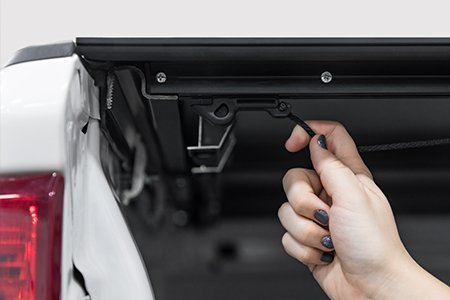
Most truck owners find that tonneau covers lock effectively, though the level of security depends entirely on the design of the unit you choose.
Do tonneau covers actually lock
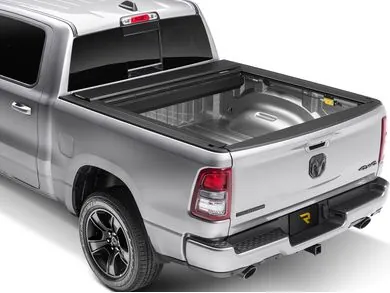
Hard folding and retractable covers usually include built-in key locks for the highest level of security. These models create a physical barrier that resists prying tools, making them the standard for protecting expensive power tools or camping gear left in the bed overnight.
Soft roll-up covers typically use hook-and-loop fasteners or tension latches that don’t offer true locking points. These are designed to keep weather out rather than thieves away. If your truck has a locking tailgate, you can secure many non-locking soft covers by simply closing the gate first. This creates a hidden latch point that prevents the cover from being unrolled, provided the tailgate itself remains locked.
Retractable models often require a key to release the latch, keeping the cover firmly in place. Most latches are made of plastic or aluminum; for maximum protection, choose a model with a steel locking pin. Plastic components often become brittle in extreme cold, leading to cracks that allow unauthorized access.
If you notice the cover rattling while driving, the latch is likely misaligned. A gap of even a quarter-inch allows a thief to insert a flathead screwdriver, which can snap the locking mechanism entirely. If your latch shows resistance, apply a dry silicone lubricant to the striker plate rather than forcing it.
Why security varies by cover design
The locking mechanism on a truck bed cover is rarely a single, universal system. Manufacturers design these covers with competing priorities: weight, ease of access, or maximum theft deterrence. A hard cover acts as a physical barrier that’s difficult to cut or pry open without specialized tools. In contrast, soft covers are designed primarily to keep moisture and dust out, rather than to prevent someone from slicing through the vinyl material.
The internal latching hardware serves as the primary point of failure or strength. Many premium hard covers utilize a dual-latch system that connects to the truck’s bed rails, creating a tight seal that prevents the cover from being lifted. If you can slide a pry bar into the gap between the tailgate and the cover, the latch design is likely inadequate. A secure system should leave no visible gap for leverage.
If your cover relies on a simple tension clamp, you’re essentially relying on the strength of the fabric to prevent entry. Most thieves look for the “bounce” test; if they can push down on the cover and see the latch flex, they know it will yield to a firm yank. A true security-grade cover must lock the latch directly into the metal bed rail, not just the plastic cap.
You should consider the environment where you park your vehicle. If you frequently leave your truck in public areas, a hard-shell cover with a keyed lock is the only way to ensure your cargo remains untouched.
If you use your truck for light household tasks and park in a private garage, a soft cover might be enough to keep your items dry and hidden from view. Use a hard cover if you carry tools worth more than your deductible; use a soft cover only if your primary goal is shielding groceries from rain.
Situations where locking features change
The security level of your cover changes based on the hardware it uses and the truck you drive. A cover is only as secure as the weakest point in the bed’s perimeter.
| Situation | What changes | What to do instead |
|---|---|---|
| Tailgate is unlocked | Total bed security | Always lock the tailgate |
| Soft vinyl material | Knife resistance | Use a hard cover |
| Plastic latch parts | Impact strength | Upgrade to metal latches |
| No key slot | Manual access | Add a locking tailgate kit |
| Cold weather | Latch flexibility | Lubricate the lock pins |
If your truck lacks a factory tailgate lock, the entire bed remains vulnerable regardless of how expensive your cover is. Thieves prioritize the tailgate because it provides the fastest entry into the cargo area. If you find your latch sticking during winter, avoid using heavy grease that traps grit. Use a dry silicone spray instead to ensure the pins retract fully in sub-zero temperatures.
Mistaking a cover for a permanent safe is a common error that costs owners their tools. If you carry high-value equipment, verify your cover has a rigid aluminum frame rather than plastic components. Plastic latches often fatigue under constant vibration, making them susceptible to a sharp strike with a mallet. If you can depress the cover by more than an inch when locked, the latch mechanism is likely misaligned. Adjust the striker plate immediately to restore the factory seal.
How to secure your truck bed properly
Close the truck tailgate firmly to ensure the latch pins are seated in the striker plates. A loose tailgate creates a gap that allows thieves to reach the underside of your cover, rendering the lock useless.
Pull down the tonneau cover until the side rails or latches click into place on both sides. If you hear only one click, stop and realign the rails. Forcing a misaligned cover will warp the frame, creating permanent gaps that invite water and prying tools.
Check that the rear latch is fully engaged by pulling up on the cover near the tailgate. Insert the key into the lock cylinder and turn it until you feel a distinct click. Test the lock by attempting to lift the cover; it should remain rigid and immobile.
If your cover uses a strap-based latch, pull the strap until the tension is tight and even. Uneven tension causes the cover to bow, which creates a visible gap at the corners.
Verify that the cover seal sits flat against the bed rail to prevent any prying room. If you see daylight between the seal and the rail, adjust the tension screws located inside the frame.
Always lock your cover before leaving the vehicle, even for a quick stop at a gas station. Most thefts occur in under sixty seconds when a driver assumes the cover is secure. If the cover feels loose after locking, check the weather stripping for debris that might be preventing a flush fit.
Mistakes that ruin your security
Leaving the truck tailgate unlocked allows thieves to reach the release cable under the cover. Always lock your tailgate first, as most aftermarket covers rely on that physical barrier to secure the internal locking mechanism.
Failing to tighten the clamping bolts lets the cover shift and create gaps. Check these fasteners based on your usage and the manufacturer’s recommendations in the owner’s manual. If the cover rattles when you hit a bump, the seal is likely compromised, inviting water and debris into your bed.
Using excessive force to slam the cover down can bend the latch pins, preventing a clean lock. Instead, guide the cover into position and press firmly over the latch points until you hear an audible click. If you feel resistance, stop immediately. Forcing it will eventually snap the plastic housing or misalign the striker plate.
Stowing heavy items against the latch mechanism can prevent it from engaging fully. Keep a six-inch buffer zone around the interior latch cables and pins. If you can’t see the latch move freely, your cargo is too close. A jammed latch often fails to lock on one side, leaving your gear vulnerable to theft.
Frequently asked questions
Can I add a lock to a soft cover?
You can’t add a traditional key lock to most soft covers, but you can secure the area by installing an aftermarket tailgate lock. Many soft covers lack a frame, so the only way to stop someone is to prevent the tailgate from opening. Once the gate is locked, the cover can’t be lifted from the bottom, which is the only entry point for these soft models.
How long does a tonneau lock last?
A standard lock cylinder typically lasts for a long period if it’s kept clean and lubricated. The exact lifespan depends on the amount of grit and road salt the lock is exposed to during daily use. If you notice the key is sticking or hard to turn, apply a dry graphite lubricant to the cylinder to keep the internal pins moving freely.
Is it safe to leave tools under a soft cover?
It isn’t safe to leave expensive tools under a soft cover because the material can be cut with a standard utility knife. These covers are meant to keep weather out, not to act as a safe for valuables. If you must transport expensive equipment, use a hard-shell cover or a lockable metal tool box inside the bed.
What happens if the lock freezes?
The lock cylinder may become stuck during freezing temperatures due to trapped moisture inside the mechanism. To fix this, use a dedicated de-icer spray or a small amount of rubbing alcohol to melt the ice inside the keyway. Never force the key, as you might snap it off inside the lock if the pins are frozen in place.
Does it matter if my cover is retractable?
It matters a great deal, as retractable covers offer high security because they lock into the side rails at multiple points. These covers are built with interlocking metal slats that are significantly harder to breach than a single panel. If you prioritize security, a retractable model is usually the best choice for protecting your cargo from theft.
How do I know if my cover is locked?
You’ll know the cover is locked when the key turns smoothly and the handle has no play when you pull on it. If you have a latch-style system, the handle should feel tight and offer resistance when you try to lift the cover. Always perform this physical check after locking the unit to ensure the internal pins have fully extended into the rail.
Conclusion
Ensuring your truck bed is secure is a simple process of checking your latches and keeping your tailgate locked. By choosing the right cover for your specific needs, you can protect your cargo and keep your gear safe from theft.