

You can expect to pay anywhere from $100 to $3,000 for a pool cover, depending on the material, pool size, and whether you choose a manual or automatic system. Simple solar covers are the most affordable, while custom-fitted automatic safety covers represent the highest investment.
What pool covers cost
Solar covers cost $100–$300. These thin, bubble-like sheets use sunlight to heat water and reduce evaporation. If you live in a region with high water costs, the savings on refills often pay for the cover in one season.
Winter covers cost $150–$500. These heavy-duty tarps keep debris out during the off-season. Always choose a cover two feet larger than your pool’s dimensions to ensure enough overlap for secure anchoring.
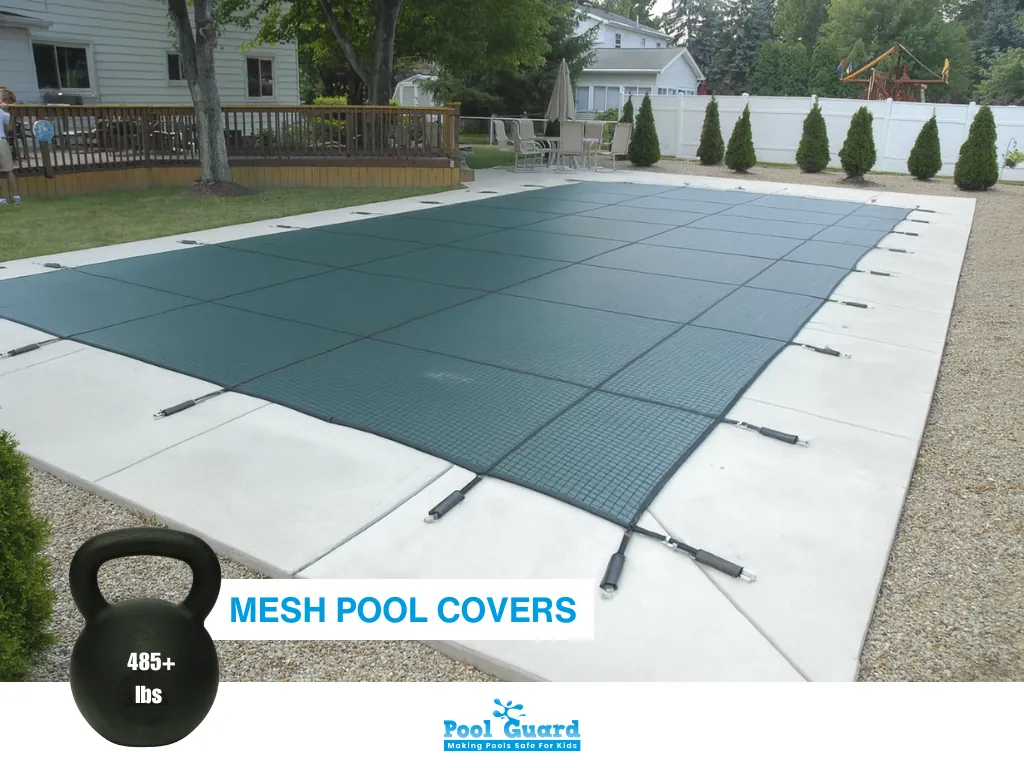
Safety mesh covers cost $1,200–$2,500. These are anchored into the deck to support the weight of people or pets. If you have small children or frequent wildlife visitors, the mesh is the only choice that prevents accidental submersion.
Automatic covers cost $5,000–$15,000. These motorized systems open or close with a key. Many owners fail to account for the track maintenance required to keep the motor from burning out, which can cost an additional $300 annually.
Installation fees run $200–$1,000. Professional help is mandatory for safety and automatic models to ensure the tension is calibrated correctly.
Replacement fabric costs $500–$2,000. Plan for this expense every 5 to 7 years. If the fabric begins to fray at the edges, replace it immediately; waiting too long puts unnecessary strain on the motor, which costs three times more to repair than the fabric itself.
Why Prices Vary So Much
The primary reason for the wide price range is the difference between a simple plastic sheet and a heavy-duty mechanical system. A basic solar cover is essentially a large piece of UV-resistant plastic, whereas an automatic safety cover involves a complex motor, stainless steel tracks, and high-strength fabric. The engineering required to make a cover safe enough to prevent accidental drowning adds significantly to the total price.
Material durability is another major factor. Entry-level covers often degrade within two seasons due to sun exposure and chemical contact. High-end safety covers are built from reinforced vinyl or woven mesh that can withstand years of harsh weather and heavy snow loads. If you live in a region with heavy snowfall, you must invest in a cover rated for high weight capacity to prevent the pool structure from being damaged by the ice.
Professional installation is often necessary for safety, especially regarding Consumer Product Safety Commission guidelines for barriers. If you purchase an automatic cover, don’t attempt to install it yourself. Improper installation can lead to motor failure or, more importantly, gaps that could allow a small child to slip through. The price you see in a catalog often excludes the labor costs of a certified technician, which can add several hundred dollars to the final bill.
If your pool features a vanishing edge or a raised wall, you’re forced into the high-end tier. Standard covers can’t seal these elevations, requiring custom-engineered tension systems to maintain safety. Avoid the mistake of buying a generic cover for these pools; it will fail to lock, rendering the safety rating void.
Finally, the shape of your pool dictates the price. A standard rectangular pool can use pre-cut, off-the-shelf covers that are relatively cheap. If you have a custom-shaped pool with curves, stairs, or a spill-over spa, you’ll need a custom-cut cover. These are manufactured specifically for your dimensions, which increases the labor and material costs. Always measure your pool at its widest and longest points before checking prices to ensure you’re looking at the correct size category.
Factors Affecting Your Final Price
The price of your cover varies based on your specific pool setup.
| Situation | What changes | What to do instead |
|---|---|---|
| Custom pool shape | Manufacturing time | Order a custom-made cover |
| High-traffic area | Material durability | Choose a reinforced safety mesh |
| Harsh winters | Weight capacity | Buy a snow-rated winter cover |
| Budget constraints | System complexity | Start with a basic solar blanket |
| Safety concerns | Hardware requirements | Install a certified safety cover |
Standard rectangular pools allow for off-the-shelf pricing, which typically saves you 30% compared to custom-cut alternatives. If your pool features curved edges or a vanishing edge, expect a premium for the precision laser-cutting required.
Measure your pool’s widest and longest points before requesting a quote. If your pool is over 20 feet wide, you’ll likely need a reinforced seam to prevent sagging under rain or snow loads. Failing to account for this extra structural support often results in a cover that tears within two seasons.
If you live in a region with heavy snowfall, prioritize the snow-load rating over the material’s thickness. A cover rated for 4,000 pounds is the industry standard for northern climates. If your pool is located under overhanging trees, choose a solid vinyl cover rather than a mesh one.
The mesh will trap debris, making removal difficult and increasing the risk of premature hardware failure. If you’re unsure, check your local building codes; many municipalities mandate specific safety certifications for pool covers that carry additional testing costs.
How to Install Your Pool Cover Properly
Clean the pool deck thoroughly to remove sharp rocks or debris that could tear the fabric. Even a small pebble creates a pressure point that will puncture the cover under the weight of winter snow or rain.
Spread the cover evenly over the water surface, ensuring it overlaps the edge by at least 12 inches. If you have a freeform pool, center the cover first, then pull the fabric toward the tightest curves to prevent bunching.
If using a water bag system, place the bags around the perimeter and fill them with water until they are 75% full. Never fill them to the brim; leaving room for expansion prevents the bags from bursting when the water freezes.
For safety anchors, use a hammer drill to place brass inserts into the deck according to the manufacturer’s layout. Always drill 1/4 inch deeper than the anchor length to allow for dust buildup.
Attach the springs to the anchors using the provided tensioning tool to ensure the cover is taut. If the spring coils are fully compressed, you have overtightened the cover, which risks snapping the webbing. Check the tension every few weeks, as the fabric may stretch over the first month of use.
The Mistakes That Ruin Your Cover
Dragging your cover across rough concrete creates microscopic abrasions that act as entry points for larger tears. If you must move the cover, lift it completely or use a protective tarp underneath to buffer the friction.
Excessive chlorine acts like a slow-motion acid bath. If your chemical levels exceed 3.0 ppm, the fabric loses its structural integrity. You’ll notice the material becoming brittle and developing spiderweb cracks within a single season. Always test your water chemistry before securing the cover for an extended period.
Removing the cover requires a systematic approach to debris management. Pushing leaves and dirt into the pool forces you to shock the water twice as hard to regain balance. If the debris load is heavy, use a leaf net first to clear the surface.
Standing water is the silent killer of hardware. Even a small puddle weighing 50 pounds puts immense tension on the perimeter springs. If the water depth exceeds two inches, the springs will eventually snap under the fatigue. Use a submersible pump to keep the surface clear, ensuring the cover remains taut and free of permanent stretching.
Frequently Asked Questions
How long do pool covers last?
Standard solar covers typically last 2 to 3 years, while high-quality safety covers last 7 to 10 years. Longevity depends heavily on your local climate and proper off-season storage. Note that intense UV exposure can accelerate material degradation regardless of the cover type.
Can a pool cover prevent drowning?
Only covers labeled as “safety covers” that meet ASTM F1346 standards can reliably prevent accidental drowning. Standard solar blankets and thin tarps can’t support weight and may create a dangerous trap. You must use an anchored cover if your primary goal is safety.
Is it safe to walk on a pool cover?
You should only walk on a cover if it’s an automatic safety cover or a heavy-duty mesh safety cover designed specifically for that purpose. Never step onto a solar cover or a floating leaf net, as they provide no structural support and will sink immediately. If you’re ever unsure about the load-bearing capacity of your specific cover, consult the owner’s manual provided by the manufacturer.
How much does it cost to replace the fabric?
Replacement fabric for an automatic system typically costs between $500 and $2,000 depending on the size of the pool and the type of material. This price usually covers the material itself, but you may also need to pay for labor if you hire a professional to replace the tracks or realign the motor. You should expect to replace the fabric every 5 to 7 years to keep the system working safely.
Does a pool cover save money?
Yes, a cover saves money by reducing water evaporation and lowering the energy needed to heat the pool. Keeping the pool covered also minimizes chemical consumption by blocking debris. Savings vary based on local electricity rates and heater usage, but most owners see a return within two seasons.
What happens if I buy the wrong size?
A cover must fit perfectly to prevent debris from entering and to avoid premature wear from wind damage. Measuring your pool twice and including the manufacturer’s recommended overlap ensures a secure fit. Always verify these dimensions before purchasing to avoid gaps or difficult installations.
Conclusion
Choosing the right protection for your water doesn’t have to be overwhelming. Think about how much time you want to spend on maintenance versus your total budget. It’s a good idea to chat with a local professional who can help you find a durable option that’ll keep your pool clean all year.