

You can use corner ties, duvet clips, or safety pins to secure your bedding. Keeping your duvet cover in place is simple when you attach the insert corners to the internal loops or use external fasteners to prevent bunching. These methods work best for anyone tired of shaking their bedding back into shape every morning. Most standard covers now include small loops at the corners that make this process fast and simple.
Items to keep duvet covers in place
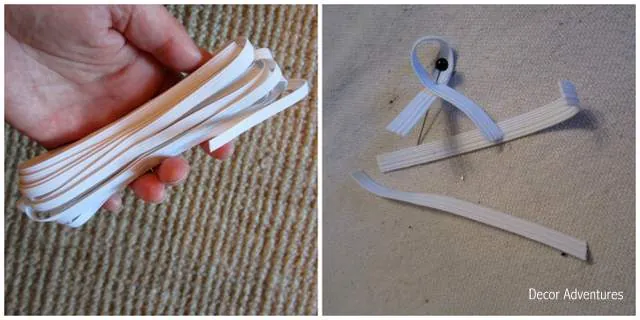
To keep your duvet insert from shifting, you should gather the right supplies before you start. Having these items ready will save you time and prevent frustration while you’re working with large pieces of fabric.
- Duvet corner ties: These are small strips of fabric or ribbon sewn into the corners of the duvet cover.
- Duvet clips: Plastic or metal clamps that snap onto the edge of the duvet to hold the insert to the cover.
- Safety pins: Large, sturdy pins that can be used if your cover lacks internal loops.
- Duvet cover with buttons or zippers: A closure that keeps the insert from sliding out the bottom.
- Fabric clips: Heavy-duty clips that act like large clothespins to hold the fabric layers together during the setup.
You can substitute professional duvet clips with large binder clips in a pinch, but avoid using thin sewing pins as they may pop open and cause injury. If you’re unsure about the safety standards for home textiles in your region, the Consumer Product Safety Commission provides general guidance on household product safety. Always check that your chosen fasteners are smooth to avoid snagging or tearing the delicate cotton or linen fabric of your cover.
Steps to Secure the Insert
Turn the duvet cover inside out and lay it flat on your bed or a clean floor. Ensure the opening faces the foot of the bed to simplify the final assembly.
Locate the corner loops inside the cover and the matching tabs on your duvet insert. If your insert lacks tabs, use small safety pins or specialized bedding clips to create anchor points. Secure the loops around the tabs using a double knot. A single bow often loosens under the weight of the duvet, causing the insert to bunch up within a week.
Reach through the opening to pull the corners of the duvet into the corresponding corners of the shell. Hold the corners firmly while you flip the cover right-side out.
Shake the duvet from the top corners to ensure the insert is evenly distributed. Gravity is your primary tool here; if the insert feels lumpy, hold it by the top corners and give it three sharp, downward snaps.
Close the bottom opening using the fasteners provided. If you have a zipper, pull the fabric taut before closing to prevent the teeth from catching on the delicate inner lining.
Attach exterior duvet clips along the edges if you notice the insert still shifts. These clips are essential for silk or down-alternative fills, which lack the friction of natural wool.
If you’re working alone, use your knees to hold the bottom of the cover in place while you shake the top corners into position. If you lack the physical strength to manage a heavy king-sized duvet, ask a second person to hold the bottom corners while you align the top. Never use sharp metal objects to force the fit, as these pierce the shell and cause permanent filling leakage.
Adjustments Based on Bedding Type
The effort required to stop your duvet from sliding depends on the weight and material of your bedding. Heavier materials like wool or down-alternative blends often require more robust clips, while lightweight silk or cotton covers might stay in place with just the internal corner ties.
| Bedding Type | Effort Level | Primary Challenge | What to Watch |
|---|---|---|---|
| Down Comforter | Moderate | High volume | Shifting corners |
| Synthetic Fill | Low | Static electricity | Bunching fabric |
| Silk Cover | High | Slippery surface | Corner slippage |
| Cotton Shell | Low | Minimal | Easy to manage |
If your duvet insert is 20% smaller than the cover, no amount of clipping will stop the shifting. You must match the insert size to the cover dimensions exactly to prevent the internal “bagging” effect.
Most people make the mistake of using heavy-duty metal clamps on delicate silk covers. This creates pinholes that expand over time, ruining the fabric. If you’re using silk, opt for soft ribbon ties or silicone-backed fasteners instead.
Apply this rule: if the duvet shifts more than three inches during a single night, the internal ties have likely snapped. In this case, use four corner clips rather than two. If the insert remains centered but the cover feels lumpy, the issue is static buildup. Always start with the built-in ties provided by the maker. Over-tightening fasteners puts stress on the stitching and leads to premature fabric wear.
Judging Your Results
A successful setup means your duvet insert remains centered without any empty corners or lumpy sections. When you lay the cover flat, the edges should look crisp and uniform across the entire surface of the bed. If you see the insert sagging or bunching at the bottom, the internal ties have likely come loose or the clips aren’t gripping the fabric firmly enough.
This unevenness usually happens because the insert is smaller than the cover, which creates excess space for the material to slide. To prevent this, always match the size of your insert to the dimensions of your cover. If you notice persistent movement, check that your knots are tight or that your clips are locked firmly onto both layers of fabric.
A common mistake is using a lightweight insert inside a heavy, oversized cover. The weight disparity causes the insert to collapse into the bottom corner overnight. If you feel a significant gap at the top of the cover, swap to a larger insert size. If the cover remains flat but the insert shifts, use safety pins at the midpoints to lock the fabric layers together.
Standards and Maintenance
The main rule for bedding maintenance is to wash the cover according to the care label provided by the manufacturer.
After washing, ensure the ties are re-knotted tightly, as these can loosen during the spin cycle. If you notice any damage to the internal loops, replace them immediately to prevent the insert from shifting during the night. A loose insert creates uneven weight distribution, which often leads to premature fabric tearing at the corners.
If your bedding requires specialized care, such as dry cleaning for silk or wool, consult the care instructions on the product tag. Always perform a spot test on an inconspicuous area if you’re using a new detergent. If the fabric darkens or loses its sheen, switch to a pH-neutral soap immediately.
Avoid overloading your machine, as cramped loads prevent proper rinsing. Residual detergent trapped in fibers acts as a magnet for dust mites and skin oils. Following these guidelines ensures your bedding lasts longer and stays comfortable throughout the year.
Alternatives for Better Stability
Using Duvet Grippers
These are adhesive or magnetic strips that stick to the corners of the insert and the inside of the cover. They offer a strong hold without the need for tying knots, which makes changing the bedding much faster.
Applying Duvet Cover Weights
Some people attach small, weighted magnets to the bottom corners of the duvet. This helps the cover drape properly and prevents the bottom from riding up, though it adds weight to the edge of the bed.
Choosing Non-Slip Covers
Some covers are manufactured with a textured interior lining that creates friction against the duvet. This design significantly reduces the need for external clips or ties, though it may limit your options for fabric patterns and colors.
Frequently asked questions
How do you keep duvet corners from bunching?
You can stop corner bunching by using corner ties or large safety pins to anchor the insert to the cover. If your cover lacks ties, sew small ribbons into the inside corners to prevent the insert from collapsing inward. This simple connection keeps your duvet flat and smooth throughout the night.
How often should you adjust the duvet inside the cover?
You should adjust the insert every time you change the linens or perform a weekly refresh of your bedding. If you use high-quality corner ties, you may only need to check them once a month to ensure the knots remain secure. The frequency depends on how much you toss and turn at night, which can cause the insert to shift more quickly in some households than in others.
Is it safe to use safety pins inside a duvet cover?
It’s safe to use safety pins as long as they’re large, heavy-duty versions that are fully closed and pinned through the seam allowance of the fabric. Avoid pinning the main body of the fabric, as this can create holes or tears over time. Always double-check that the pins are locked shut before putting the cover back on the bed to prevent accidental scratches.
Why does my duvet always end up at the bottom of the cover?
Your duvet slides to the bottom because the cover is likely larger than the insert or the internal ties are missing or broken. This creates a gap that allows the heavy insert to slide down due to gravity and movement. Adding external clips or securing the corners with ties will keep the insert firmly in place and prevent it from bunching at the foot of the bed.
How do you stop a duvet cover from sliding off the bed?
You can stop a duvet cover from sliding by using a weighted duvet cover or by adding a textured bed runner to the end of the bed. If the cover material is too slippery, such as satin or silk, consider adding a layer of cotton underneath. Using a high-friction mattress protector can also help keep the entire bedding set from sliding off the mattress during the night.
Conclusion
Securing your duvet cover properly makes your morning routine much faster and keeps your bedroom looking neat. By using the right fasteners and checking your knots periodically, you can stop the shifting and enjoy a more comfortable sleep every night.