
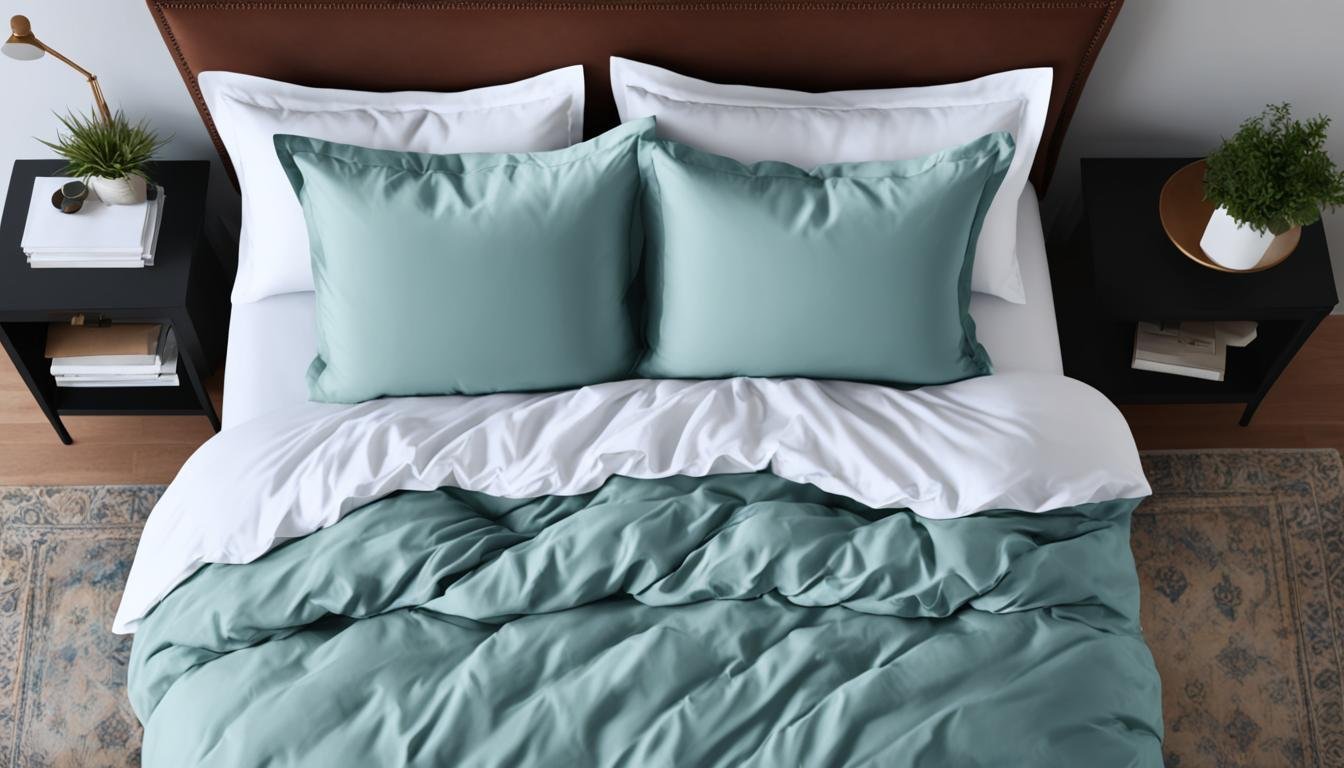
The market price for high-end bedding is primarily driven by the cost of long-staple natural fibers and the complex manufacturing processes required for finishing, which explains the high cost of duvet covers when compared to basic synthetic alternatives.
Components of high quality bedding

| Part or input | What it does | What you notice when it goes wrong |
|---|---|---|
| Long-staple cotton | Provides strength and softness | Fabric pills or feels rough |
| Reactive dyes | Bonds color to fiber | Colors fade after few washes |
| High thread count | Determines fabric density | Weave feels thin or tears |
| Mercerization process | Adds luster and durability | Fabric looks dull and weak |
| Precision stitching | Keeps seams from fraying | Threads pull and edges open |
Look for “extra-long staple” (ELS) varieties like Pima or Egyptian cotton. These fibers exceed 34 millimeters in length, reducing the number of exposed fiber ends that cause pilling. If the label merely says “100% cotton,” assume the fibers are shorter and prone to surface friction.
Thread count is often a marketing trap. A count between 200 and 400 is the sweet spot for breathability. Anything exceeding 500 usually relies on multi-ply yarns, which are bulkier and trap heat. If a sheet feels heavy but lacks crispness, it likely uses lower-quality, multi-ply threads.
Reactive dyes are essential for longevity. Unlike pigment dyes that sit on the surface, reactive dyes create a molecular bond with the cellulose. Test this by rubbing a damp white cloth against the fabric; if color transfers, the dye is unstable and will bleed during your first cycle.
Check the stitching density. High-quality bedding should feature at least 8 to 10 stitches per inch. If you see fewer than 6, the seams will likely buckle or gap after a few months of use. Always inspect the corners for bar-tacking, which reinforces stress points against the tension of a mattress.
Finally, confirm the fabric has been mercerized. This caustic soda treatment swells the fibers, making them rounder and more receptive to light. Without this, the fabric will look matte and lose its structural integrity within a year.
Steps to produce premium duvet covers
-
Raw cotton is harvested and sorted by fiber length, which takes about 2 weeks. Longer fibers are chosen for premium items because they create smoother, stronger yarn than short-fiber cotton. If the staple length is under 1 1/8 inches, discard the batch; it will pill after three washes.
-
The cotton is combed to remove short, weak fibers, requiring 3 to 5 days of processing. This step is essential for creating the soft texture found in luxury bedding sets. Skipping this creates a “hairy” surface that traps dust and feels scratchy against the skin.
-
Fibers are spun into high-strength yarn, a process taking 4 days. The speed of the machine determines the uniformity of the thread, which directly affects the final material strength. Aim for a thread count between 300 and 600. Going higher often requires thinner, weaker threads that compromise durability.
-
Yarns are woven into fabric on high-speed looms, taking 5 to 7 days per batch. Denser weaves require slower loom speeds to prevent yarn breakage and ensure a consistent finish. If you see visible gaps when holding the fabric to light, the loom tension was too loose.
-
The fabric undergoes mercerization, a chemical treatment lasting 1 day that swells the fibers. This process increases the fabric’s ability to hold dye and gives it a permanent silky sheen. Without this step, colors will fade into a dull gray after only a few months of light exposure.
-
Final cutting and sewing are performed by skilled workers, taking 2 to 3 days for assembly. Precision ensures the cover fits standard inserts without bunching or shifting during use. Always check the internal corner ties; if they’re missing or made of thin ribbon, the duvet will slide to the bottom of the cover overnight.
-
Quality control involves a final inspection under high-intensity LED lights to catch microscopic snags. If a thread is broken during this stage, the entire panel must be replaced rather than repaired. Patchwork fixes will create uneven tension that leads to tearing within the first year of ownership.
Connecting material quality to product cost
The primary reason for the high price point is the difference between mass-produced synthetic blends and premium natural textiles. When you purchase a duvet cover, you’re paying for the durability of long-staple fibers, which are rare and cost more to harvest than short-fiber varieties.
If you choose a cheaper, short-staple cotton, the fibers will snap and pill within months. This means you end up replacing the product more often, which is a common mistake that actually costs more in the long run than buying a single high-quality item. You can test for quality by holding the fabric to the light. If you see uneven, cloudy patches, the fiber density is low and the weave will fail under the friction of daily use.
Construction methods also play a major role in the final price. A cover with hidden button closures or internal corner ties requires more labor time than a basic envelope-style closure. These small features prevent the internal duvet insert from shifting, which is a major annoyance for sleepers.
If the manufacturer skips these steps to lower the price, you’ll notice the insert bunching at the bottom of the cover every morning. You’re paying for the extra twenty minutes of sewing time required to reinforce those corner ties. If the ties are made of thin, matching fabric rather than reinforced cotton tape, they will tear away from the seam within a year.
Environmental and health standards often dictate the cost of production as well. Many premium brands adhere to the Global Organic Textile Standard to ensure the fabric is free from harmful residues and produced under safe working conditions. These certifications require independent audits and strict supply chain management, which adds a significant premium to the final cost.
When a product lacks these labels, it’s often because the manufacturer has opted for cheaper, potentially toxic chemical treatments. These finishes, such as formaldehyde-based anti-wrinkle agents, allow them to sell the item at a lower price point while masking inferior, rougher fiber quality.
Finally, logistics and supply chain transparency influence the bottom line. Importing high-quality textiles from regions with specialized weaving expertise involves significant shipping and import duties. A brand that provides a transparent look at their supply chain is usually charging for the oversight required to ensure quality control at every stage.
If you see a very low price, it’s usually because the company has cut corners on fiber quality, labor ethics, or the finishing processes. A high-quality textile should feel cool and heavy in the hand.
If it feels light and slick, the manufacturer has likely used a synthetic polyester blend to reduce material costs. You’re essentially paying for the weight of the cotton; if the product is suspiciously light, it lacks the fiber density necessary to last for years rather than weeks.
Variables in your control and factory limits
What you can control
- Choosing materials like linen or long-staple cotton for better longevity.
- Selecting covers with reinforced seams to prevent edge fraying.
- Washing on cold cycles to keep fibers and dyes intact.
- Using air drying instead of high-heat machine drying.
Fixed by design
- The density of the weave which is set at the loom.
- The length of the raw fibers used in the yarn.
- The original quality of the chemical dyes applied.
If you’re unsure about the quality of a specific piece, check the label for the fiber origin and certification numbers; if the label is missing these details, the manufacturer likely used lower-grade materials to keep costs down.
Habits for long lasting bedding
Proper care is the best way to get value from a high-priced item. You should always wash your cover inside out, which protects the outer surface from friction against the drum of your washing machine. If you have a high-capacity machine, don’t overload it.
Overcrowding prevents the fabric from getting clean and causes unnecessary wear on the fibers. For most premium cottons, a gentle cycle with a mild detergent is enough to clean the fabric without stripping the natural oils that keep it soft.
If your cover features buttons or zippers, close them fully before washing to prevent the hardware from catching on other items. This small habit prevents the common issue of torn fabric or broken closures that often forces people to discard otherwise good covers. If you find stains, treat them immediately with a targeted spot cleaner rather than using harsh bleach, which can weaken the fibers and cause yellowing over time.
Most people make the mistake of using fabric softener, which coats fibers in a waxy film. This buildup traps dirt and eventually makes the fabric feel stiff or scratchy. If your sheets feel dingy, skip the softener and add a half-cup of white vinegar to the rinse cycle instead. This naturally breaks down detergent residue and restores the original texture of the weave.
Rotate your bedding sets every 7 to 10 days to allow the fabric to rest. Allowing the fibers to breathe between uses helps them recover their shape and prevents the accumulation of sweat and oils that lead to premature fading. If you live in a humid climate, shorten this rotation to 5 days to prevent moisture from settling deep into the weave.
Sunlight is another silent destroyer. If you line-dry your bedding, keep it in the shade rather than direct sun. UV rays break down organic fibers and fade pigments within a single season. If you must dry outdoors, flip the items inside out to shield the color.
If you follow these steps, your investment will remain comfortable for years, proving that the higher initial cost is a trade-off for a product that doesn’t require constant replacement. By treating your bedding as a long-term asset rather than a disposable commodity, you ensure the fabric retains its integrity and feel long after cheaper alternatives have worn thin.