
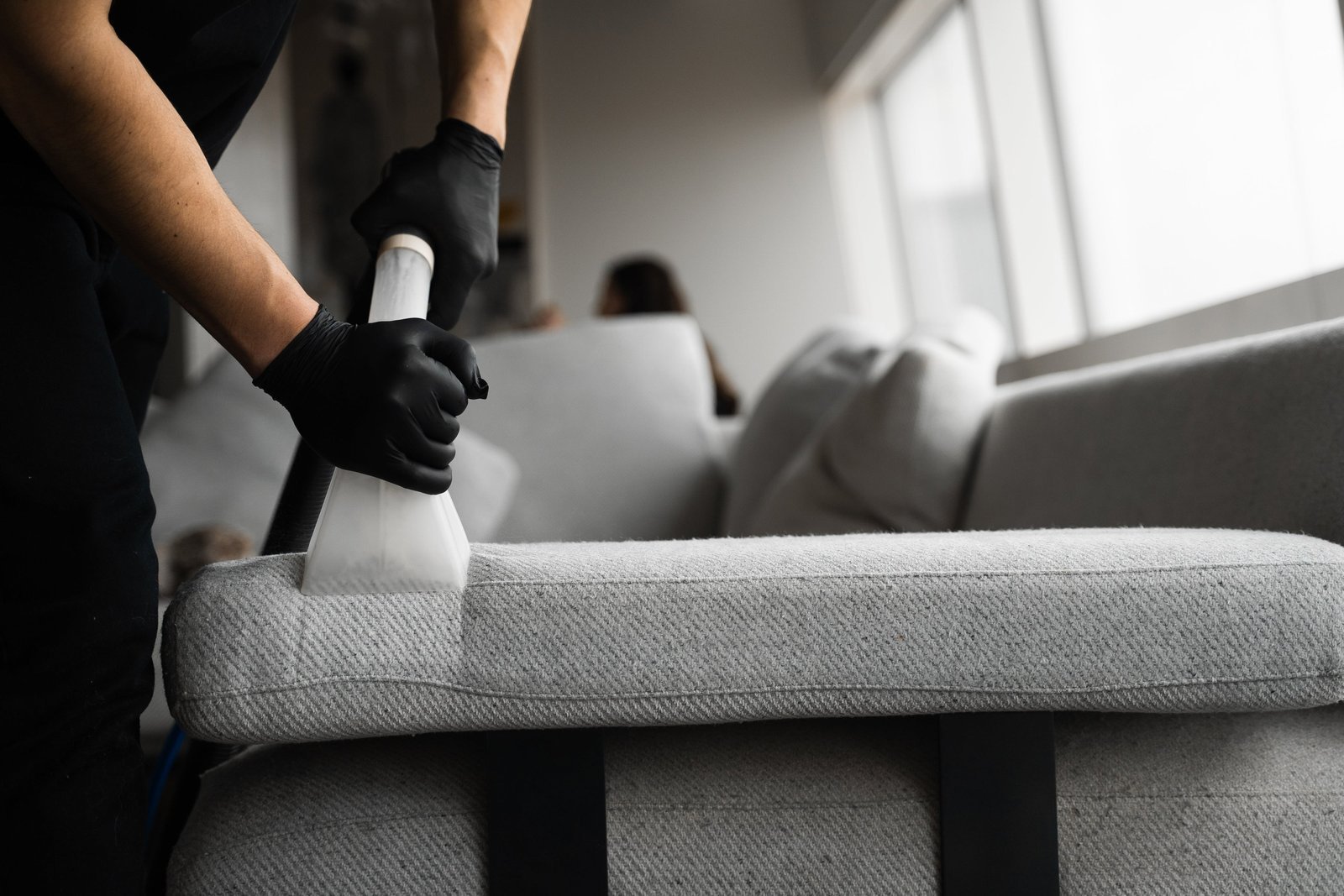
Washing sofa covers without shrinking is successful when you use a cold-water cycle and avoid the high heat of a tumble dryer.
Supplies to wash sofa covers safely
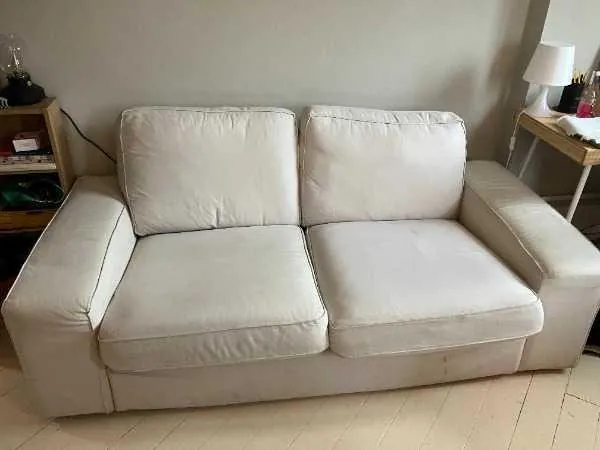
To clean your covers properly, you must have the right tools to prevent damage. Using the wrong equipment often leads to stretched seams or frayed edges. Always check the manufacturer’s care tag first, as some luxury fabrics or delicate weaves require professional dry cleaning. If you’re unsure about the material, a small patch test in an inconspicuous area is a smart move.
- Gentle liquid detergent: Use a mild, pH-neutral soap that doesn’t contain harsh enzymes or bleach.
- Mesh laundry bags: Large bags help protect the fabric from snagging on the metal drum of your machine.
- A clean white towel: This is for testing for colorfastness before you submerge the entire cover.
- Fabric steamer or iron: Keep these on hand for removing wrinkles while the covers are still slightly damp.
- Measuring tape: Use this to record the dimensions of your covers before washing so you can check for shrinkage afterward.
If you have a large sofa, you might need two or three mesh bags to ensure the fabric isn’t overcrowded. Never use standard powder detergents, as they can leave residue that makes fabric feel stiff or scratchy. If you’re dealing with high-end upholstery, contact the furniture manufacturer directly to confirm their recommended textile care instructions for your specific model.
Before you begin, verify the cleaning code on your tag. If you see an “S,” use only solvent-based cleaners; water will cause permanent rings or water spots. If you see “W,” you’re safe to use water-based solutions. If you see “X,” don’t touch the fabric with any liquid, as it will destroy the weave.
When testing for colorfastness, dampen a white cloth with your chosen detergent and press it firmly against an hidden section of the fabric for 30 seconds. If any color transfers to the white cloth, stop immediately. You must take the covers to a professional cleaner rather than risking a total color bleed.
Avoid the common mistake of drying covers completely in a machine. High heat is the primary cause of irreversible shrinkage. Instead, pull the covers onto the sofa frame while they’re still 10% damp. The fabric will dry in place, conforming to the cushions and ensuring a tight, professional fit without the struggle of wrestling with shrunken seams.
Steps to Clean Your Covers
- Vacuum the covers thoroughly to remove loose dust, pet hair, and debris before you take them off the sofa.
- Unzip and remove the covers, making sure to close all zippers completely so they don’t catch on the fabric during the cycle.
- Check the care label to confirm the material is machine washable; if the tag says “Dry Clean Only,” don’t attempt to wash it at home.
- Test for colorfastness by dampening a white cloth with your detergent and rubbing it on a hidden part of the fabric to see if any dye transfers.
- Place the covers inside your mesh laundry bags, ensuring they aren’t packed too tightly so the water can circulate freely.
- Set your machine to the “Delicate” or “Hand Wash” cycle using cold water, as high temperatures are the primary cause of fiber contraction.
- Remove the covers immediately when the cycle finishes to prevent wrinkles and potential color bleeding from prolonged dampness.
- Reshape the covers while they’re still damp by pulling them gently into their original dimensions, then hang them to air dry away from direct sunlight.
Tip: Always wash all matching pieces, such as seat and back covers, at the same time to ensure they fade at the same rate. Careful: Never place covers in a tumble dryer, as heat causes the fibers to tighten and shrink permanently.
Situations That Change the Process
The amount of effort required depends heavily on the fabric type and the level of soiling on your furniture. Using the wrong settings for a specific material can lead to permanent damage, so adjust your approach based on the table below.
| Fabric Type | Water Temp | Drying Method | Watch For |
|---|---|---|---|
| Cotton Blend | Cold | Air Dry | Wrinkling |
| Synthetic | Cold | Air Dry | Snagging |
| Linen | Cold | Flat Dry | Stiffness |
| Velvet | Hand Wash | Air Dry | Crushing |
Starting with a gentle, cold-water cycle is safer than using a heavy-duty setting. You can always wash a second time if the covers remain dirty, but you can’t fix a cover that has shrunk in a hot dryer.
If you encounter stubborn stains like wine or grease, treat the area with a pH-neutral cleaner before submerging the fabric. Don’t scrub the fibers, as this pushes debris deeper into the weave. Instead, blot the spot with a clean, white cloth until no more pigment transfers.
Check the furniture’s hidden seams for a manufacturer’s tag. If the tag specifies “Dry Clean Only,” don’t attempt a water-based wash. Submerging these materials will likely ruin the backing or cause the dyes to bleed into the frame.
If the fabric feels brittle or shows signs of fraying, skip the machine cycle entirely. Use a handheld steamer on a low setting to refresh the fibers without the stress of agitation. This method preserves the structural integrity of older pieces while still removing surface dust and allergens.
Always test your cleaning solution on a small, inconspicuous patch of fabric first. Wait ten minutes for the area to dry completely. If the color changes or the texture loses its luster, switch to a professional dry-cleaning service to avoid a costly replacement.
How to Check Your Results
A good result means the covers fit back onto the sofa cushions with the same tension as before. If they feel difficult to zip or appear noticeably tighter, you have experienced shrinkage. This typically happens because the heat from a dryer or high-temperature water causes the fibers to contract, which is a physical change in the weave of the fabric.
To prevent this, measure the length and width of your cushions before washing. Record these dimensions on a piece of tape stuck to the inside of the frame. If the post-wash measurements are off by more than a quarter-inch, the fabric has permanently altered.
Never force a zipper if the cover seems too small. Pulling on it will likely cause the zipper track to fail or the fabric to tear at the seam. If the covers are clearly too small, stop immediately and let them rest for a few hours. Some natural fibers relax slightly as they reach room temperature.
If you encounter persistent stiffness, a light steam session can help relax the fibers. Hold your steamer six inches away and move in slow, circular motions. Don’t saturate the fabric, as excess moisture can trigger secondary shrinkage.
You can distinguish between temporary tension and permanent shrinkage by checking the seams. If the seam line is straight but the fabric is taut, the cover will likely stretch back out with use.
If the seam line is pulled into a curve or puckers at the corners, the fibers have locked into a smaller shape. In that case, no amount of stretching will restore the original fit. Avoid the common mistake of using a hair dryer to speed up the process, as the concentrated heat will only exacerbate the contraction.
Rules and Aftercare Standards
Once the covers are dry, store them in a cool, dark place if you aren’t putting them back on the sofa immediately. Always ensure the fabric is 100% dry before re-installing, as trapped moisture creates a perfect environment for mold or mildew growth.
Most sofa covers only need a deep clean once or twice a year unless you have pets or small children. If your covers feature complex pleats or heavy decorative trim, professional upholstery cleaning is the safest route to avoid ruining the shape. If you’re unsure about the complexity of your specific covers, consult a local textile professional who has the right equipment for delicate furniture materials.
Alternative Ways to Clean
Spot Cleaning
Use a damp cloth and a mild detergent solution to blot stains immediately when they happen. This method prevents the need for a full wash, which preserves the fabric’s original shape and texture for a longer period.
Professional Dry Cleaning
Take your covers to a local cleaner if the fabric is silk, rayon, or a delicate blend. They have specialized solvents that clean without the risk of water-based shrinkage or color bleeding.
Steam Cleaning
Use a handheld upholstery steamer to refresh covers while they’re still on the furniture. This removes odors and light surface dirt without the stress of removing and re-installing the covers after a full wash.
Frequently Asked Questions
Can I put sofa covers in the dryer?
No, you should never put sofa covers in the dryer, as the heat will almost certainly cause them to shrink. Air drying is the only way to ensure the dimensions remain stable.
How long does it take for covers to air dry?
It usually takes 12 to 24 hours for covers to air dry completely, depending on the humidity in your home and the thickness of the fabric.
What happens if I wash them in warm water?
Warm or hot water can cause the natural fibers in the fabric to tighten and shrink, making it impossible to fit the covers back onto your cushions.
Is it safe to use fabric softener?
No, you should avoid fabric softener because it leaves a waxy residue that attracts dust and can change the feel of the upholstery fabric.
How often should I wash my sofa covers?
You should wash your covers every 6 to 12 months, or sooner if you have pets that shed heavily or if you notice visible stains on the fabric.
Why do my covers look wrinkled after washing?
Covers often wrinkle if they’re left in the machine too long after the cycle finishes or if they aren’t smoothed out while still damp.
Conclusion
Properly maintaining your furniture covers helps them last for many years. Always prioritize cold water and air drying to protect the material from unnecessary stress and heat.