
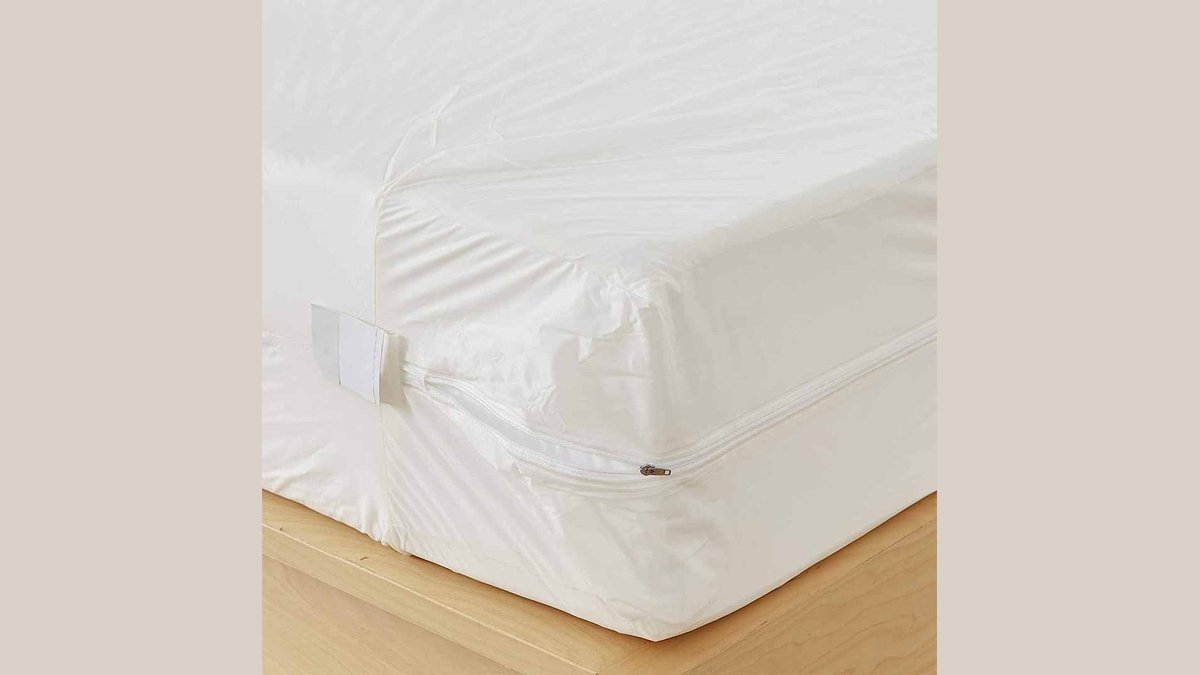
You can stop an infestation by using bed bug covers for mattresses and box springs that feature a tightly woven fabric and a secure, locking zipper. These protective casings work by trapping any existing bugs inside, where they will eventually die, and preventing new ones from entering the sleeping surface. The key to their success is a design that leaves no gaps, as bed bugs are thin enough to crawl through even the smallest opening in a standard seam or zipper track.
Selecting covers for mattresses and springs
| Name | Primary Use | Example |
|---|---|---|
| Zippered encasement | Full seal protection | Six-sided fabric cover |
| Box spring wrap | Structural protection | Fitted fabric sleeve |
| Mattress topper protector | Surface layer defense | Waterproof fabric pad |
| Allergen-proof cover | Dust mite barrier | Tight-weave polyester shell |
| Heavy-duty vinyl cover | Commercial pest control | Thick plastic casing |
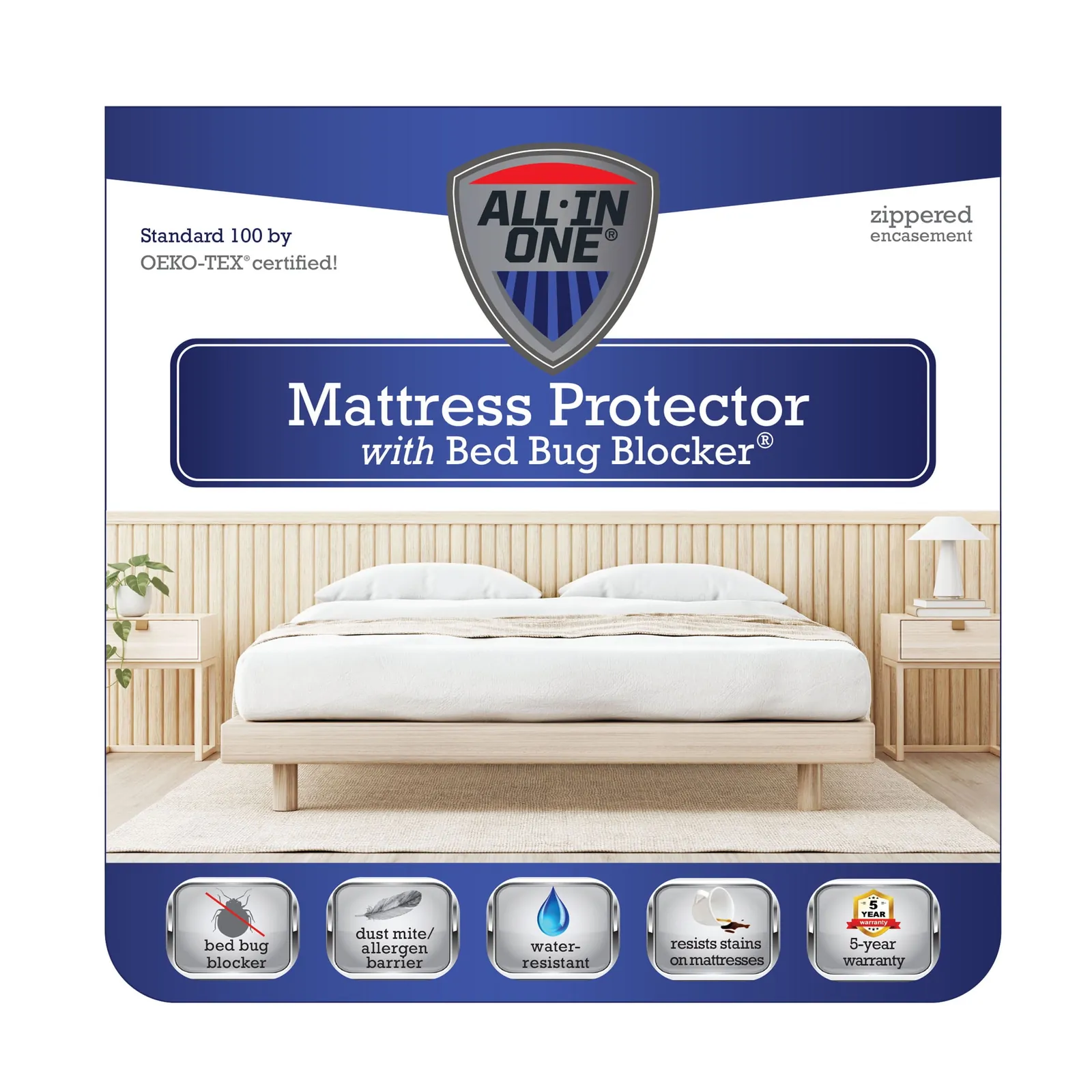
Choose a zippered encasement if you need to neutralize an active bed bug infestation. These covers lock pests inside to starve them, but only if the zipper features a locking mechanism or a fabric flap to prevent microscopic escape.
Avoid standard allergen-proof covers for pest control. Their pores are often large enough for nymphs to crawl through. You can distinguish them by the fabric density; if you can see light through the weave when held to a bulb, it won’t block insects.
Use vinyl for high-moisture environments like guest rooms or homes with pets. While vinyl is durable, it traps heat. If you sleep hot, opt for a polyurethane-backed cotton cover instead. It provides the same waterproof barrier without the uncomfortable sweat buildup that often leads people to discard their protection entirely.
Zippered mattress encasement
A zippered encasement covers all six sides of your mattress to create a complete barrier against pests. It suits people who are currently treating an active infestation or those who want to prevent bed bugs from nesting in the deep crevices of a mattress. The fabric must be certified to be bite-proof and bed-bug-proof to ensure the weave is tight enough to stop even the youngest nymphs.
- Traps existing bugs inside the cover so they can’t bite or escape.
- Prevents new bugs from finding a hiding spot in the mattress seams.
- Protects the mattress from stains, liquids, and common household allergens.
- Simplifies cleaning by allowing you to wipe down the exterior surface.
If you have a mattress that is 15 inches deep, you must check the product label to ensure the encasement provides enough “pocket” room for your specific model. A cover that’s too tight will put excessive strain on the zipper, which often leads to the teeth separating and creating an entry point for insects. Always measure from the bottom of the mattress to the top surface before you buy.
Box spring encasement
A box spring encasement is a specialized cover designed to seal the frame beneath the mattress, which is a common hiding spot for bed bugs. It’s best for people who have a traditional spring foundation, as these frames contain many dark, inaccessible gaps where insects thrive. Unlike a simple dust ruffle, this cover locks completely to deny pests access to the internal wooden or metal structure.
- Eliminates the complex interior of the box spring as a nesting site.
- Prevents bugs from migrating between the floor and the mattress.
- Provides a smooth surface that makes it harder for bugs to climb.
- Extends the lifespan of the box spring by keeping it free of debris.
You should install this cover before you place the mattress back on the frame. If you notice a tear in the fabric after installation, you must replace the cover immediately, as even a small hole allows bed bugs to move in and out freely. When purchasing, verify that the material is durable enough to withstand the rough edges of a wooden box spring frame without puncturing.
Waterproof mattress protectors
A waterproof mattress protector is designed primarily to keep liquids and bodily fluids from soaking into the mattress padding. While some versions offer basic pest protection, they often only cover the top and sides, leaving the bottom exposed. This type is best for those who need to manage spills or accidents but don’t have an active bed bug problem to contain.
- Blocks liquids, sweat, and oils from reaching the mattress core.
- Maintains a cleaner sleeping environment by reducing allergen buildup.
- Allows for frequent machine washing without damaging the waterproof backing.
- Provides a quieter sleeping surface compared to older plastic-style sheets.
The limit for these protectors is that they generally don’t provide the six-sided seal required to trap bed bugs. If you choose this type, you must accept that it isn’t a substitute for a full encasement during an active infestation. According to the United States Environmental Protection Agency, encasements must be left on for at least one year to ensure all trapped bed bugs have died.
Heavy-duty vinyl covers
Heavy-duty vinyl covers are thick, non-porous plastic sleeves often used in high-traffic settings or rental properties. They suit environments where the risk of puncture is high or where frequent, aggressive cleaning is required to maintain hygiene standards. Because they’re completely impermeable, they prevent any moisture or insects from passing through the material, though they can sometimes feel warm to sleep on.
- Creates an impenetrable barrier that resists tears and sharp objects.
- Cleans easily with simple soap and water or disinfectant wipes.
- Stops all liquids, including major spills, from reaching the mattress.
- Offers a long-lasting, low-maintenance solution for guest rooms.
These covers aren’t for people who prefer a soft, breathable sleeping surface, as the plastic can trap body heat and make the bed feel uncomfortable. If you choose vinyl, use a quilted mattress pad over the top to improve comfort. Always check the thickness of the material, as thinner vinyl is prone to cracking after repeated cycles of moving the bed or changing sheets.
Other protective bedding items
- Pillow encasements: These seal the entire pillow inside a zippered shell, preventing bugs from nesting in the foam or stuffing while you sleep. They’re essential for anyone dealing with a bedroom infestation.
- Bed bug interceptors: These are small plastic cups placed under the legs of your bed frame to catch bugs as they attempt to climb up or down. They provide a clear visual sign of whether bugs are still active.
- Climb-up monitors: These sticky-trap devices are used to detect the presence of pests near the bed. They help you determine if your current control measures are working or if more treatment is needed.
Choosing the right bed bug covers for mattresses and box springs
Deciding which cover to buy depends on your specific goal and the current state of your furniture. If you’re currently dealing with a known infestation, you must prioritize a full six-sided zippered encasement that has been tested for bed bug resistance. If you’re simply looking for routine protection, a high-quality, breathable mattress protector may be sufficient.
The main factor that settles your choice is the condition of your mattress. If the mattress is already infested, you must use an encasement to trap the bugs; if the mattress is new and clean, you can use a standard protector to keep it that way.
You should never combine multiple covers on one mattress, as this makes it difficult to detect if a tear has occurred. Picking the right cover means selecting one that fits the dimensions of your mattress perfectly, as a loose fit creates folds where bugs can hide.
Frequently asked questions
Can I wash my bed bug mattress encasement?
Yes, you can wash most encasements, but you must follow the manufacturer’s care label precisely. Most require a cold or warm water cycle and low-heat drying, as high heat can melt the waterproof lining or damage the zipper mechanism. If the label says the cover isn’t machine washable, you should only spot-clean it to avoid destroying the protective seal.
How long do I need to keep the cover on the mattress?
You must keep the encasement on the mattress for at least 12 months to ensure all trapped bed bugs have died. Bed bugs can survive for several months without feeding, so removing the cover too early risks releasing live insects back into your room. If you notice a tear or a broken zipper, you must replace the entire cover immediately.
Does a mattress protector stop bed bugs?
A standard mattress protector that only covers the top and sides won’t stop bed bugs. To be effective, the cover must be a full six-sided encasement with a secure, locking zipper that closes the entire mattress inside. If the cover doesn’t seal the bottom of the mattress, bed bugs will simply crawl through the gaps to reach the mattress core.
Are all mattress encasements bed bug proof?
Not every mattress cover labeled as “allergen-proof” or “waterproof” is designed to stop bed bugs. You must look for products specifically marketed as bed bug encasements that feature a tightly woven fabric and a certified escape-proof zipper. Always check the packaging or the manufacturer’s website for specific claims regarding bed bug testing and the size of the weave.
What happens if the zipper on my mattress cover breaks?
If the zipper breaks, the cover is no longer effective and you must replace it. The zipper is the most vulnerable point of the entire system, and any gap created by a broken or missing tooth allows bed bugs to move in and out. Never attempt to tape over a broken zipper, as the adhesive will fail and leave the mattress unprotected.
Is it safe to sleep on a mattress cover?
It’s safe to sleep on a mattress cover provided you choose one that’s made of breathable, non-toxic materials. Many modern encasements are designed to feel like standard fabric, ensuring you don’t experience excessive heat or discomfort while sleeping. If you find your cover makes you too warm, look for options made with moisture-wicking fabrics or add a thin cotton pad on top.
Do I need a cover for both the mattress and box spring?
You should encase both your mattress and box spring to ensure total protection against bed bugs. These pests frequently nest in the dark, hidden interiors of box springs, which provide a large, ideal habitat for them to breed if left uncovered.
Conclusion
Once you’ve zipped these covers on, you won’t need to worry about them again. They’ll stay securely in place for years, giving you peace of mind while you sleep. You should check the seams every few months just to be sure they’re still tight, but you’re finally ready for a restful night.