
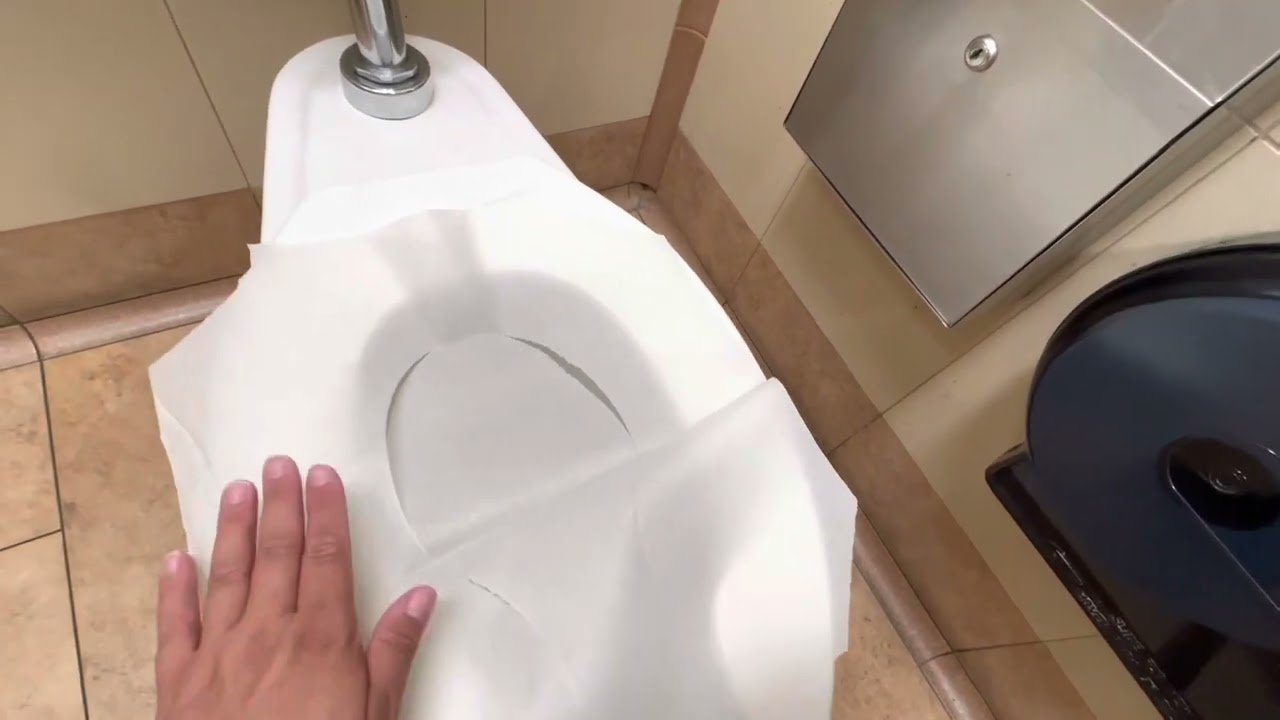
To use toilet seat covers effectively, you must center the paper over the seat, ensure the flap hangs into the bowl, and flush the paper away once finished. This simple process takes about 10 seconds to complete and requires no special tools, just the standard disposable paper provided in most public restrooms. This method is ideal for anyone who prefers an extra layer of protection when using shared facilities, ensuring you can maintain personal hygiene without needing to wipe the seat yourself.
Essential Items for Personal Hygiene
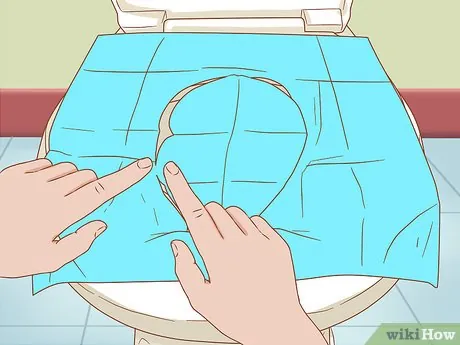
To keep your experience sanitary in public restrooms, you should carry a few basic items in your bag or pocket. These tools help you manage cleanliness without touching surfaces directly.
Disposable seat covers are essential, but they often fail in high-traffic areas. If the wall-mounted dispenser is empty, lay two strips of toilet paper in a cross pattern across the seat. This creates a more stable barrier than a single sheet, which tends to tear or slide off the moment you sit.
Hand sanitizer must contain at least 60% alcohol to kill common pathogens. If your hands are visibly soiled or greasy, sanitizer won’t work; in those cases, you must use soap and water at the sink regardless of how much time you have.
Pocket-sized tissues serve as a crucial backup for missing toilet paper. Keep a small waste bag with them to store used items if the stall lacks a bin. Many people make the mistake of flushing these wipes or tissues, but doing so frequently causes clogs in older plumbing systems.
Surface wipes allow you to disinfect the seat before applying a cover. If you’re in a building built before 1980, avoid flushing anything other than standard toilet paper to prevent costly maintenance issues. If you require specialized hygiene products, check your local pharmacy for travel-sized kits that fit easily into a standard handbag or pocket.
Steps to Use Toilet Seat Covers
- Open the dispenser and pull out a single seat cover by the tab.
- Unfold the paper completely so that it lies flat, ensuring the center flap hangs down toward the water.
- Place the paper gently onto the seat, aligning the outer edges with the rim of the bowl.
- Smooth the paper down with your hands, making sure it covers the entire surface where your skin will touch.
- Sit down carefully to avoid shifting the paper out of place.
- Stand up after use and flush the toilet, ensuring the paper is pulled into the bowl by the water flow.
- Wash your hands thoroughly with soap and warm water for at least 20 seconds before leaving the restroom.
Careful: If the toilet has a low-flow flush mechanism, it may not pull the paper down in one go; you might need to push the paper into the bowl manually with a bit of extra tissue. Tip: Always check that the paper isn’t hanging outside the bowl, as this can cause water to wick onto the floor. If you have mobility issues, ask a companion for assistance or look for accessible stalls that offer more space for these adjustments.
Adjusting for Different Restroom Situations
The time and effort required to stay clean can vary based on the type of facility you’re using. Start with a simple approach and only add extra steps if the environment seems particularly unhygienic.
| Situation | Time Required | Effort Level | What to Watch |
|---|---|---|---|
| Modern dispenser | 5 seconds | Low | Proper alignment |
| Empty dispenser | 20 seconds | Medium | Paper thickness |
| No paper provided | 30 seconds | High | Surface contact |
| Outdoor facilities | 45 seconds | High | Wind and moisture |
If you encounter a facility where paper is thin or recycled, double the layers immediately to prevent tearing. Standard single-ply tissue often fails under pressure, leading to direct skin contact. If you find yourself in a bathroom with high humidity or poor ventilation, avoid using excessive paper. Moisture makes paper fibers expand and adhere to surfaces, which significantly increases the likelihood of a clog.
It’s always safer to start with the standard cover method and add extra layers or disinfectant wipes only if you feel the initial setup is insufficient. Trying to over-prepare by layering too much paper can lead to clogs, which creates a much larger problem than the one you’re trying to avoid.
How to Tell You Did It Right
A successful application means the seat cover stays in place while you sit and clears the bowl completely when you flush. If the paper tears immediately or slides off the moment you sit down, you likely didn’t align the center flap correctly or the seat was damp.
A good result is a dry, stable barrier that ensures a more comfortable experience throughout your use of the facility.
If the paper remains stuck to the bowl after flushing, it’s usually because the water pressure is too low or the paper is too thick for that specific model of toilet. If you find the cover clinging to the porcelain, try folding the center flap inward toward the water stream.
This creates a weighted point that pulls the entire sheet down during the flush. If the cover still fails to clear, the bowl’s rim jets are likely obstructed or underpowered. In these cases, you must manually discard the cover in the trash bin.
Rules and Proper Disposal
The primary rule in any public restroom is to leave the space as clean as you found it. Most facilities are designed to handle standard paper seat covers, but you should never flush items like baby wipes, thick paper towels, or feminine hygiene products. These materials don’t dissolve in water like toilet paper. They snag on pipe joints and accumulate over time, leading to costly sewage backups that can shut down an entire building’s plumbing for days.
Only toilet paper belongs in the bowl. If a product is labeled “flushable,” ignore the marketing; if it doesn’t break down into pulp within thirty seconds of agitation, it’s a hazard to the system.
Once you’re done, ensure the seat is clean and the area is free of paper scraps. If you use a disinfectant wipe, throw it in the trash bin. If you find the facility is unsanitary, report the condition to building management immediately.
Don’t attempt to fix a clogged toilet yourself with harsh chemicals or tools, as these can damage porcelain fixtures or corrode older pipe materials. If the water level is rising, stop using the stall and alert staff to prevent a flood.
Alternative Methods for Hygiene
Using Toilet Paper Layers
If you can’t find a seat cover, you can create your own by folding strips of toilet paper and placing them along the rim. This takes more time but provides a similar barrier. It’s less stable than a dedicated seat cover, so you must sit down slowly to keep the paper from blowing away or sliding off the seat.
Applying Sanitizing Wipes
For those who prefer a deeper clean, carry individual packs of sanitizing wipes. You use these to wipe the seat surface directly before sitting. This removes germs entirely rather than just covering them. It takes about 30 seconds longer than using a seat cover, but it’s often more effective in older or poorly maintained restrooms.
Using a Squatting Stance
If you’re uncomfortable with the cleanliness of a seat, you can choose to hover above it without making contact. This requires more physical effort and balance, but it eliminates the need for any paper or contact with the surface. This is a common choice for many when they find the seat condition isn’t up to their personal standards.
Frequently Asked Questions
Can I flush the seat cover?
Yes, you can flush the seat cover because it’s designed to dissolve in water just like standard toilet paper. Most public restroom covers are made from thin, water-soluble materials that move through the plumbing system without causing clogs. If you’re in a building with very old or sensitive pipes, check for signs that say “don’t flush” before putting the paper into the bowl.
Is it safe to sit on a public toilet seat?
Using a cover is mostly for your own comfort and preference rather than a strict medical necessity to prevent disease.
What happens if the toilet clogs?
If the toilet clogs, stop flushing immediately to prevent the water from overflowing onto the floor. You should notify the staff or management of the building so they can use professional tools to clear the drain safely. Don’t try to fix a major clog yourself, as you risk damaging the plumbing or causing a sanitary hazard that requires professional cleaning services.
How do I know if the seat is clean?
You can tell the seat is clean if it’s dry and free of visible stains or debris. If the seat is wet or has marks, it’s best to wipe it down with a disinfectant wipe or use a double layer of toilet paper to ensure a clean barrier. If you’re still unsure, you can choose to hover or find another stall that appears better maintained.
How many layers should I use?
You should use only one layer of a standard seat cover, as this is sufficient to provide a sanitary barrier. Adding more layers increases the risk of clogging the toilet, especially in facilities with low-flow flush systems. One well-placed cover is designed to be both effective and safe for the plumbing, so there’s no benefit to using more than what is provided.
Conclusion
Maintaining your hygiene in public spaces is simple once you have a consistent routine that works for your needs. Keep your supplies accessible, use the facilities with care, and always wash your hands to ensure you leave the restroom as clean as you found it.