
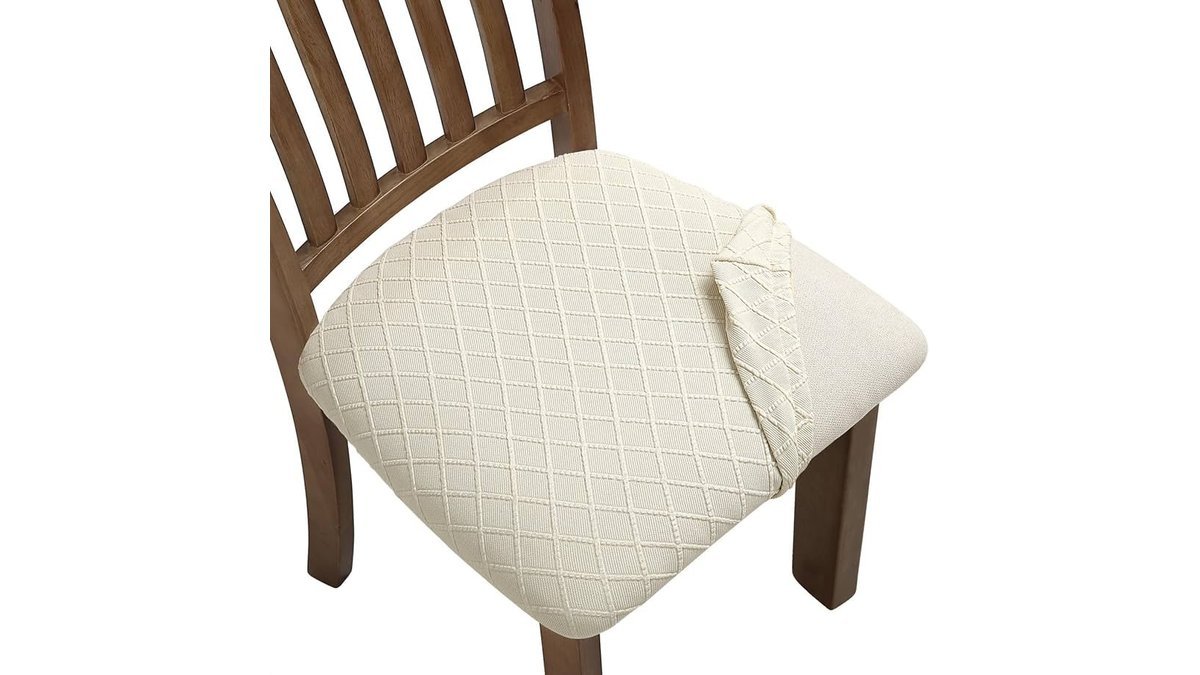
Revitalizing your home decor doesn’t require expensive furniture replacements when you can simply use dining chair seat covers to refresh your space. If you’re wondering about the investment, expect to pay between $15 and $65 for a set of four covers, depending on the material and craftsmanship. Whether you’re masking old stains, protecting upholstery from pets, or wanting a seasonal aesthetic change, these versatile fabric solutions provide an immediate visual upgrade. By selecting the correct size and textile, you can achieve a tailored, professional look that extends the lifespan of your dining room furniture significantly.
Key Takeaways

- Measure your seat base width, depth, and thickness precisely before ordering to ensure a proper fit.
- Prioritize machine-washable fabrics like polyester blends for households with children or frequent guests.
- Choose stretchable spandex or elastic-edged designs to accommodate various chair shapes, including rounded or square seats.
- Check for non-slip backing or tie-down systems to prevent the covers from shifting during use.
- Consider the upholstery weight; heavier fabrics like canvas or jacquard offer better durability for daily seating.
Measuring Your Chairs Correctly
Before purchasing, you must understand your specific chair dimensions. Most manufacturers provide size charts based on the seat cushion width and length. Use a flexible measuring tape to find the widest points of your seat.
Key Dimensions to Record
- Seat Width: Measure the widest part of the seat, usually near the front.
- Seat Depth: Measure from the backrest to the front edge.
- Backrest Height: If the cover wraps around the back, measure from the seat top to the highest point.
- Cushion Thickness: Essential for ensuring the elastic edges can wrap securely underneath.
| Measurement Point | Why It Matters | Accuracy Tip |
|---|---|---|
| Seat Width | Prevents side bunching | Measure edge to edge |
| Seat Depth | Ensures full coverage | Measure center line |
| Cushion Height | Keeps the cover taut | Include the wood base |
| Backrest Gap | Affects slipcover style | Check if it slides through |
Choosing Fabric for Dining Chair Seat Covers
The material you choose dictates the longevity and maintenance requirements of your covers. For high-traffic areas, synthetic blends are generally superior to natural fibers.
- Polyester/Spandex Blends: These are the most common materials for stretchable covers. They’re wrinkle-resistant and conform easily to irregular seat shapes.
- Cotton/Canvas: These provide a more natural, matte texture. They’re breathable but may require ironing after washing to maintain a crisp look.
- Velvet: Ideal for formal dining rooms. It adds a touch of luxury and warmth, though it can attract dust and pet hair.
- Faux Leather: Excellent for spill-prone environments as it can be wiped clean with a damp cloth rather than requiring a full laundry cycle.
Warning: Always check the care label on the fabric to ensure it’s colorfast, as dark dyes can sometimes transfer onto light-colored chair frames during high-humidity conditions.
How to Install Them Properly
Installation is typically a straightforward process, but taking your time ensures a professional result. Start by removing any existing loose debris or crumbs from the seat cushion to create a flat, clean surface.
- Align the seams: Position the cover so the corner seams match the corners of your chair.
- Stretch and secure: Pull the elastic edges over the back of the seat first, then work your way to the front.
- Smooth the surface: Once the cover is on, use your palms to smooth out any wrinkles or air pockets toward the edges.
- Adjust the ties: If your covers feature ribbons or Velcro straps, tighten them firmly under the seat base to prevent shifting.
Maintaining Your Seat Covers
To keep your dining area looking pristine, follow a consistent cleaning schedule. For most polyester-based covers, machine washing on a delicate cycle with cold water is sufficient. Avoid using harsh bleaching agents which can degrade the elastic fibers over time.
Pro Tip: If your covers are made of heavy jacquard or textured fabric, turn them inside out before placing them in the washing machine to protect the decorative weave from snags.
Cleaning Frequency Recommendations
- Weekly: Shake or vacuum lightly to remove dust and stray crumbs.
- Monthly: Spot clean any visible spills using a mild detergent and a microfiber cloth.
- Seasonally: Deep clean by machine washing to remove accumulated oils and odors.
Are Slipcovers Worth the Cost?
Many homeowners debate whether to reupholster or use covers. Reupholstery is a permanent, expensive solution, whereas covers offer a flexible, budget-friendly alternative. Covers allow you to sanitize surfaces easily without damaging the original wood or fabric underneath.
Troubleshooting Common Fit Issues
If your covers don’t seem to fit perfectly, you’re likely dealing with one of these common issues. Here is how to fix them quickly.
- Slipping Off: If the elastic has lost its tension, use upholstery pins or double-sided fabric tape to anchor the cover to the chair frame.
- Wrinkling: If the fabric is too large, it will bunch. Use a fabric steamer to tighten the fibers, or consider tucking foam rods into the crevices to hold the fabric in place.
- Pilling: Over time, friction can cause small fabric balls. Use a dedicated fabric shaver to remove these and restore a smooth appearance.
Enhancing Style and Aesthetic Appeal
You can transform the entire look of your dining room by coordinating your seat covers with other textiles. Consider matching your chair covers to your table runner or curtains for a cohesive design scheme.
- Neutral Tones: Use beige, gray, or cream to create a minimalist, airy atmosphere.
- Bold Patterns: Geometric or floral prints act as a focal point and can hide minor stains more effectively than solid colors.
- Texture Contrast: If your dining table is smooth glass or polished wood, choose textured covers like corduroy or velvet to add depth to the room.
Comparing Styles and Brands
When shopping, you’ll encounter various styles ranging from simple stretch covers to elaborate slipcovers with skirts.
| Style Type | Best For | Aesthetic Impact |
|---|---|---|
| Stretch/Spandex | Modern chairs | Sleek, tight fit |
| Tie-Back Covers | Traditional chairs | Classic, elegant |
| Skirted Covers | Farmhouse decor | Soft, romantic |
| Box Cushion Style | Square seats | Tailored, structured |
Frequently Asked Questions
Can I iron my dining chair seat covers?
Most synthetic and stretch covers shouldn’t be ironed, as high heat can melt the spandex fibers or ruin the elastic. If your covers are cotton or linen, use a low-heat setting or a garment steamer. Always test a small, inconspicuous area on the underside of the seat cover first to ensure the fabric can handle the temperature without scorching or shrinking.
Do covers fit all chair shapes?
While stretch covers are highly versatile, they’re designed primarily for square, rectangular, or slightly rounded seats. Chairs with extreme curves, wingback designs, or very thick cushions may require custom-made covers. Always review the product dimensions carefully, as a cover designed for a flat, thin seat won’t stretch sufficiently to accommodate a thick, contoured cushion without tearing the seams.
How do I stop covers from sliding?
If your covers slide, the elastic is likely stretched out or the material is too slippery for your chair’s surface. You can fix this by adding a non-slip rug pad underneath the cover, or by using upholstery tacks to secure the fabric to the wooden base of the chair. Another effective method is using small, discreet furniture clips to hold the excess fabric tight against the underside.
Can I wash them with my clothes?
It’s generally not recommended to wash seat covers with regular clothing. Seat covers often collect heavy dust, food particles, and crumbs that can clog your washing machine or transfer to your clothes. Furthermore, the metal hardware, ties, or zippers on some covers can snag delicate fabrics. Always wash your covers in a separate load to ensure they’re cleaned thoroughly and to protect your other garments.
How often should I replace them?
With proper care, high-quality dining chair seat covers can last between two and four years. If you notice the elastic has become permanently slack, the fabric has thinned significantly from friction, or stains no longer lift with standard washing, it’s time for a replacement. Replacing covers periodically is a cost-effective way to update your home decor without the expense of purchasing new dining furniture.
Conclusion
To begin your refresh, start by measuring your current chair seats today, then browse online retailers or local home goods stores for fabrics that complement your existing decor. By investing in a high-quality set of covers, you protect your furniture from future wear while instantly updating the style of your dining room for a fraction of the cost of new chairs.