
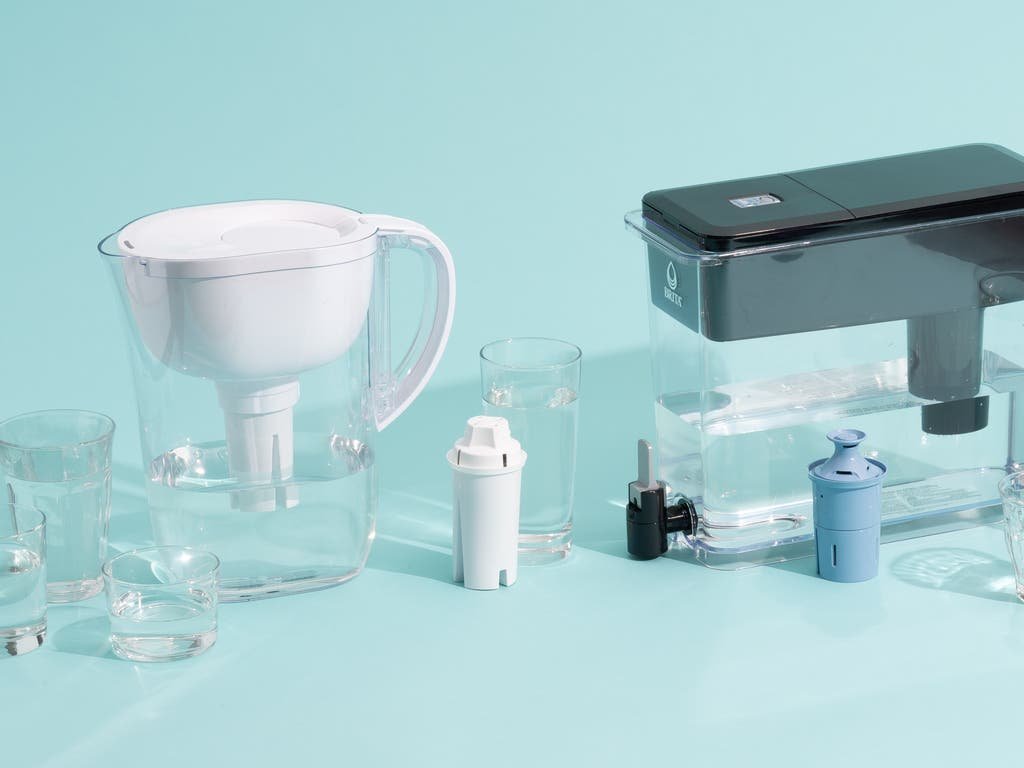
If you’re tired of the chlorine taste or sediment in your tap water, investing in a high-quality water filter pitcher is a simple, cost-effective way to improve your daily hydration experience. These devices are designed to remove common impurities such as lead, mercury, copper, and volatile organic compounds while keeping the necessary minerals like calcium and magnesium intact. Understanding the technology behind these pitchers helps you make an informed decision based on your specific water quality concerns and budget constraints. Prices for these units typically range from $15 to $85, depending on the filtration technology, build material, and the lifespan of the included cartridges.
Key Takeaways

- Check your local water quality report to identify specific contaminants like lead or chlorine before choosing a filter.
- Always verify if your chosen filter is certified by the NSF International for the reduction of specific health-related contaminants.
- Calculate the long-term cost of replacement cartridges, as these often exceed the initial price of the pitcher itself.
- Replace your filters on the manufacturer’s recommended schedule to prevent bacterial growth and reduced filtration efficiency.
- Store your pitcher in the refrigerator to keep the water cool and inhibit the growth of microorganisms.
How Do These Pitchers Work?
Most standard pitchers utilize activated carbon to improve the taste and odor of water. This material is highly porous, which allows it to trap chemicals like chlorine and pesticides through a process called adsorption. More advanced models incorporate ion exchange resin to specifically target heavy metals and scale-forming minerals.
By swapping ions, the resin captures harmful metallic atoms and releases harmless ones like sodium or hydrogen into the water. When these two technologies are combined, the pitcher provides a comprehensive approach to basic water purification.
Comparison of Filtration Technologies
| Technology | Targets | Best For |
|---|---|---|
| Activated Carbon | Chlorine, taste, odors | General tap water improvement |
| Ion Exchange | Heavy metals, lead, copper | Older homes with lead pipes |
| Reverse Osmosis | Dissolved solids, fluoride | Deep purification (not in pitchers) |
| Ceramic Filters | Bacteria, cysts, sediment | Camping or well water sources |
What Does It Actually Cost?
The initial purchase price is only one part of the equation. While the pitcher itself is an affordable appliance, the recurring cost of replacement filters is where the true expense lies. You should expect to spend between $10 and $30 per filter cartridge.
Since most households replace these every two to three months, the annual maintenance cost typically falls between $40 and $120. When shopping, look for “long-life” filters that can process up to 120 gallons, as these lower the cost per gallon significantly compared to standard 40-gallon filters.
Identifying Your Specific Water Needs
Before selecting a model, you must know what is in your water. If you live in an area with aging infrastructure, you should prioritize a pitcher that’s explicitly certified for lead reduction. If your water is sourced from a municipal supply that uses high levels of chlorine for disinfection, a standard carbon filter will suffice. You can find your specific water quality data by reviewing your annual Consumer Confidence Report provided by your local water utility company.
Essential Water Filter Pitcher Brands
The market is saturated with options, but a few brands have consistently maintained quality standards through rigorous testing and user feedback. When evaluating these, prioritize those that offer clear certification documentation.
- Brita: Known for the ubiquitous “Standard” and “Elite” filters, which are widely available in most retail stores.
- ZeroWater: Features a five-stage filtration system that removes almost all dissolved solids, ideal for those who prefer pure, tasteless water.
- PUR: Offers a variety of pitchers that focus heavily on lead and mercury reduction, often using a distinct mineral core.
- LifeStraw: Specializes in high-capacity pitchers that include membrane microfilters for added protection against bacteria and parasites.
- Clearly Filtered: A premium option that targets a wide spectrum of over 300 contaminants, including fluoride and pharmaceuticals.
Maintenance and Filter Replacement Schedule
Neglecting your filter schedule can lead to the very thing you’re trying to avoid: poor water quality. As the filter becomes saturated with contaminants, its ability to capture new particles diminishes. Furthermore, a saturated filter can become a breeding ground for bacteria if left at room temperature for too long.
| Filter Type | Typical Lifespan | Usage Frequency |
|---|---|---|
| Standard Carbon | 40 Gallons | 2 Months |
| Advanced/Elite | 120 Gallons | 6 Months |
| Zero-TDS Filters | 15–25 Gallons | 1–2 Months |
Pro Tip: Write the date of installation on a piece of masking tape and stick it to the side of the pitcher so you never forget when it’s time for a change.
Troubleshooting Common Pitcher Issues
If you notice your water flow has slowed to a trickle, the filter is likely clogged with sediment. This is common in areas with “hard” water or high levels of suspended solids.
Simply removing the filter and giving it a gentle shake or soaking it in cold water for a few minutes can sometimes dislodge trapped air bubbles or surface sediment. If the water tastes bitter, check the expiration date of your filter; an expired filter can release trapped contaminants back into the water stream.
Are Pitchers Effective for Everyone?
While these devices are excellent for municipal tap water, they’re generally not suitable for untreated well water or water from lakes and streams. If your water source isn’t regulated or treated by a municipal authority, you may need a more robust system, such as a whole-house reverse osmosis unit or a UV purification system. Pitchers are designed to “polish” water that’s already considered potable but requires flavor improvement or protection against lead leaching from residential plumbing.
Warning: Never use hot water in your pitcher, as high temperatures can damage the filtration media and cause it to release captured contaminants into your glass.
How to Choose the Right Size
When selecting a pitcher, consider the physical capacity of your refrigerator shelf versus the number of people in your household. Small 5-cup pitchers are perfect for individuals or couples with limited fridge space, while 10 to 12-cup models are better suited for families who drink a significant amount of water throughout the day. Remember that a full 10-cup pitcher can be heavy, so ensure the handle is ergonomic and the lid is secure to prevent spills when pouring.
Common Myths About Water Filtration
One of the most persistent myths is that “all water filters are the same.” This is categorically false. A simple carbon mesh will remove chlorine smell but do absolutely nothing for heavy metals. Always look for the NSF certification seal on the box.
Another myth is that you need to filter your water for cooking. While it isn’t strictly necessary for boiling, using filtered water for soups, coffee, and tea can significantly improve the flavor profile of your finished dishes by removing the chemical aftertaste of chlorinated tap water.
Frequently Asked Questions
How often should I change my filter?
Most manufacturers recommend changing standard filters every two months or after 40 gallons of use. High-capacity filters may last up to six months or 120 gallons. If you notice a change in the taste of your water or if the flow rate slows down significantly, it’s time to replace the cartridge regardless of the time elapsed. Always follow the specific guidance provided by your brand’s manual.
Can these pitchers remove fluoride?
Most standard carbon-based pitchers don’t remove fluoride. If fluoride reduction is a priority for your household, you must look for specific “fluoride-reducing” filters, which are often labeled as such on the packaging. These systems typically use specialized media like activated alumina or bone char to effectively lower fluoride levels. Always check the manufacturer’s data sheet to confirm the specific contaminants the filter is certified to remove.
Does a filter make the water safer?
For municipal tap water that meets federal safety standards, a filter makes the water taste better and reduces exposure to potential contaminants like lead from aging home plumbing. However, if your water supply is currently under a “boil water advisory” or is contaminated by dangerous levels of pathogens, a standard pitcher filter isn’t a substitute for proper disinfection methods such as boiling, distillation, or chemical treatment.
Is it necessary to wash the pitcher?
Yes, you should wash your pitcher regularly to prevent the growth of algae or mold. It’s recommended to hand-wash the pitcher, lid, and reservoir with warm, soapy water every time you replace the filter. Avoid using harsh chemicals or abrasive sponges that could scratch the plastic, as scratches can harbor bacteria. Ensure all parts are completely dry before reassembling the unit to maintain a clean environment.
Will a pitcher remove all bacteria?
No, standard water filter pitchers aren’t designed to remove bacteria or viruses. They’re primarily intended for the removal of aesthetic contaminants like chlorine, sediment, and heavy metals. If you’re concerned about microbiological safety, look for a pitcher that specifically mentions “microbiological purification” or “cyst reduction” and carries certifications from relevant health organizations for those specific claims.
Conclusion
Once you have purchased your chosen model, the most important step is to read the manufacturer’s initial setup guide carefully. Many filters require a pre-soak or a “flush” cycle before the first use to remove loose carbon dust, which can appear as black specks in your water. Following these initial instructions ensures that your first glass of filtered water is as clean and refreshing as possible, setting you up for long-term hydration success.