
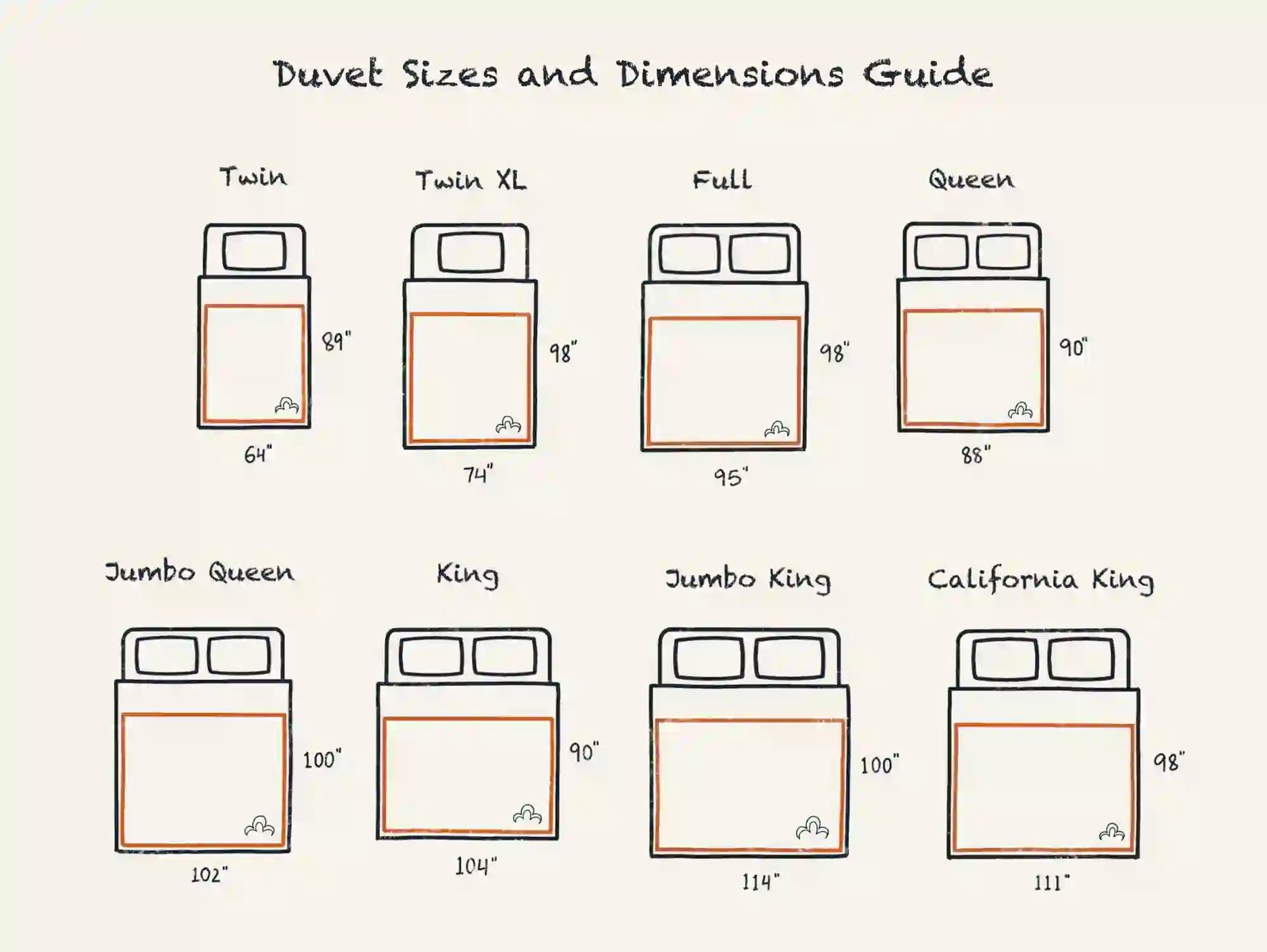
The standard size of a queen size duvet cover is 90 inches by 90 inches, though this can vary by brand and region. Most manufacturers design these covers to fit a standard queen mattress, which measures 60 inches wide by 80 inches long. If you choose a cover that’s too small, your duvet will bunch up inside; if it’s too large, the cover will hang loosely and look messy on your bed.
Standard queen duvet cover dimensions
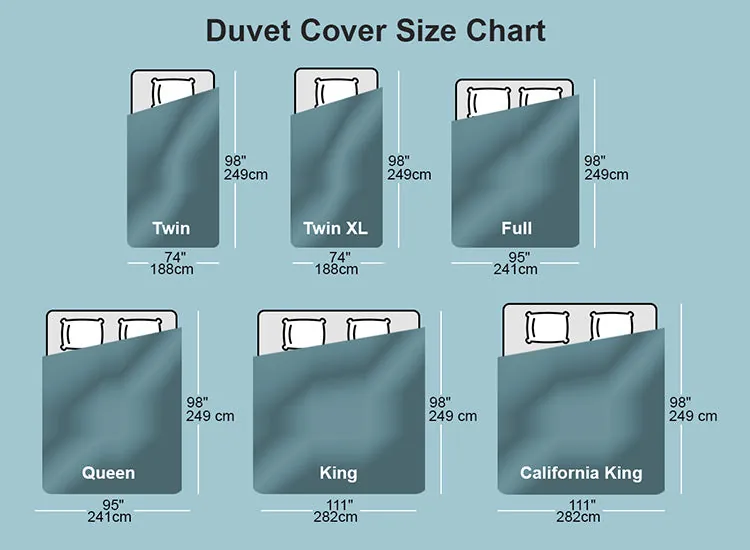
Standard dimensions for a queen duvet cover are 90 inches by 90 inches. Always check the insert label to match the duvet weight and size to the cover. If your duvet is “oversized,” you may need a 92-inch by 96-inch cover for a proper fit.
Measure your current duvet insert from corner to corner before buying a new cover. Don’t rely on the packaging size, as loft can distort how the fabric drapes. If your insert measures more than 92 inches in width, a standard cover will bunch at the edges.
Cotton covers often shrink by 2 to 5 percent after the first wash in hot water. If you prefer a crisp, tight fit, wash the cover in cold water and hang it to dry. If the cover feels loose, a single hot wash can tighten the weave for a snugger appearance.
When choosing between synthetic and natural fibers, look at the weight. A heavy down insert requires a high-thread-count cotton cover to prevent feathers from poking through. If you use a lightweight down alternative, a linen blend offers better breathability and prevents overheating during the night.
Why sizing matters for your comfort
Choosing the right cover ensures that your bedding stays flat and comfortable throughout the night. The primary reason for specific dimensions is to prevent the insert from shifting inside the fabric shell. When the cover matches the insert, the fill stays evenly distributed across the entire surface area. If the cover is too big, the duvet insert will slide to one side, leaving you with cold spots and empty fabric corners.
Manufacturing standards for bedding aren’t strictly regulated by law, which leads to slight variations across different companies. Because these standards are voluntary, one company’s “queen” might be slightly larger than another’s. Always look at the specific measurements printed on the packaging rather than relying on the “queen” label alone.
If you’re unsure about your specific needs, the best method is to measure your existing duvet insert. Lay the insert flat on a hard floor and use a tape measure to determine the exact width and length. This measurement represents your baseline.
If you’re buying a new insert and cover together, look for a cover that is 1 to 2 inches larger than the insert on each side. This extra space makes it easier to pull the corners into place during your weekly cleaning cycle.
Avoid the common mistake of buying a cover that matches the insert dimensions exactly. Without that small buffer, the insert will bunch up, creating a lumpy, uneven surface that restricts the loft of your bedding.
If your insert is made of heavy down, prioritize a cover with interior corner ties. These ties anchor the insert to the shell, ensuring it stays centered even if the cover is slightly oversized. If you use a lightweight synthetic fill, a snug fit is more important than ties, as the material lacks the weight to stay anchored on its own.
When the answer is different
| Situation | What changes | What to do instead |
|---|---|---|
| Oversized inserts | Length and width | Buy a 92×96 inch cover |
| European brands | Metric measurements | Convert cm to inches |
| Down alternatives | Loft and thickness | Add 2 inches to depth |
| High-heat drying | Fabric shrinkage | Buy one size larger |
| Specialty mattresses | Height of bed | Use a king-sized cover |
Most shoppers assume a standard queen cover fits every queen insert, but a two-inch discrepancy in loft often leads to bunching at the corners. If your insert feels overly dense, prioritize the depth measurement over the surface area to prevent the fabric from tearing at the seams.
When dealing with European brands, don’t rely on standard labels like “Full” or “Queen.” These terms vary by country. Always verify the centimeter dimensions against your insert’s actual size. A five-centimeter difference is enough to leave your bedding looking flat and ill-fitting.
If you frequently use high-heat drying, assume your cotton cover will shrink by roughly five percent after the first ten cycles. Buying one size larger acts as an insurance policy against this inevitable loss of fabric.
If your mattress sits on a platform frame rather than a box spring, standard covers often drag on the floor. In this specific case, opt for a cover with a tailored edge to avoid tripping hazards and excess dust accumulation. Choosing the wrong fit doesn’t just look sloppy; it puts undue tension on your duvet’s internal ties.
Selecting the right cover
Measure the length and width of your current duvet insert using a standard tape measure. Don’t rely on the manufacturer’s label, as years of washing and drying often shrink natural fibers by several inches.
Compare these numbers to the dimensions listed on the product packaging of your new cover. Ensure the cover is at least 1 inch wider and 1 inch longer than your insert. If the cover is smaller than the insert, the bedding will bunch and create uncomfortable lumps. If the cover is more than 3 inches larger, the duvet will slide around and leave empty, sagging fabric at the edges.
Check the closure type, as buttons or zippers can affect how the cover sits. Zippers provide a seamless look, but buttons are easier to repair if a thread snaps.
Turn the cover inside out and match the corners of the duvet to the corners of the cover. Reach inside to pinch both layers together before flipping the cover right-side out. Shake the duvet once it’s inside to distribute the fill evenly across the entire surface. Secure the internal ties or snap the closures to keep the insert from shifting during the night.
The mistakes that ruin your bedding
Buying a cover based solely on the “queen” label leads to a poor fit because manufacturers lack a standardized sizing chart. Before purchasing, measure your duvet insert’s actual dimensions in inches. If the insert is 90 by 90 inches, ensure the cover is within two inches of that size.
Natural fibers like cotton shrink by three to five percent during the first hot wash. Always check the care label for pre-shrunk fabric. If the label is silent, buy a cover that’s slightly oversized to account for this inevitable tightening.
Failing to use internal corner ties causes the duvet to slide into a ball. This creates dense, uncomfortable lumps and leaves you with cold, empty corners. If your insert lacks loops, sew small ribbons onto the corners yourself.
Mixing different brands of inserts and covers often results in a mismatch. You end up with excess fabric hanging off the sides or a cover that’s too tight. If you must mix brands, match the exact length and width measurements rather than relying on standard labels.
Frequently asked questions
Can I use a king size duvet cover on a queen bed?
Yes, you can use a king size cover on a queen bed, though it will hang 10 to 18 inches lower on the sides. This creates a dramatic, floor-length look. However, the extra fabric may feel heavy and become cumbersome to manage.
How do I know if my duvet cover has shrunk?
You can tell if your cover has shrunk if the duvet insert bunches up or creates large ripples inside. This usually happens due to high-heat washing. Always wash your bedding in cold water and use a low-heat setting to prevent further shrinkage.
Does the thickness of the duvet affect the cover size?
Yes, a very thick or high-loft down duvet requires a slightly larger cover to accommodate the volume of the filling. While the surface area remains the same, the depth of the insert changes how the fabric drapes over the sides. If your duvet is exceptionally thick, look for a cover that is 2 to 3 inches larger in both width and length to ensure the fabric doesn’t pull tight.
What happens if the cover is too small for my duvet?
A cover that’s too small compresses the duvet insert, causing it to lose its loft and warmth. This also puts unnecessary stress on the fabric seams, making them prone to tearing. You may also struggle to close the buttons or zipper.
How often should I wash my duvet cover?
You should wash your duvet cover every 1 to 2 weeks to maintain hygiene and prevent the buildup of dust and oils. If you have pets or suffer from allergies, weekly washing is best. Always follow the specific care instructions on the label.
Is it safe to use a larger cover with a small duvet?
Using a larger cover is safe, but the duvet will constantly shift and slide around inside. This leaves you with an uneven sleeping surface as the insert bunches up. You’ll need internal ties or clips to secure the insert properly.
Conclusion
Proper sizing is the most important factor in how your bed looks and feels. By measuring your insert before you buy, you save yourself the frustration of returns and ensure your bed remains a comfortable place to sleep. Always prioritize the actual dimensions over the marketing label to get the perfect fit for your specific bedroom setup.