

Duvet covers are used for keeping your duvet insert clean and protected from sweat, skin oils, and dust. They act like a giant pillowcase for your bedding, allowing you to wash the outer layer easily without needing to clean the bulky insert itself.
Protecting Your Bedding Investment
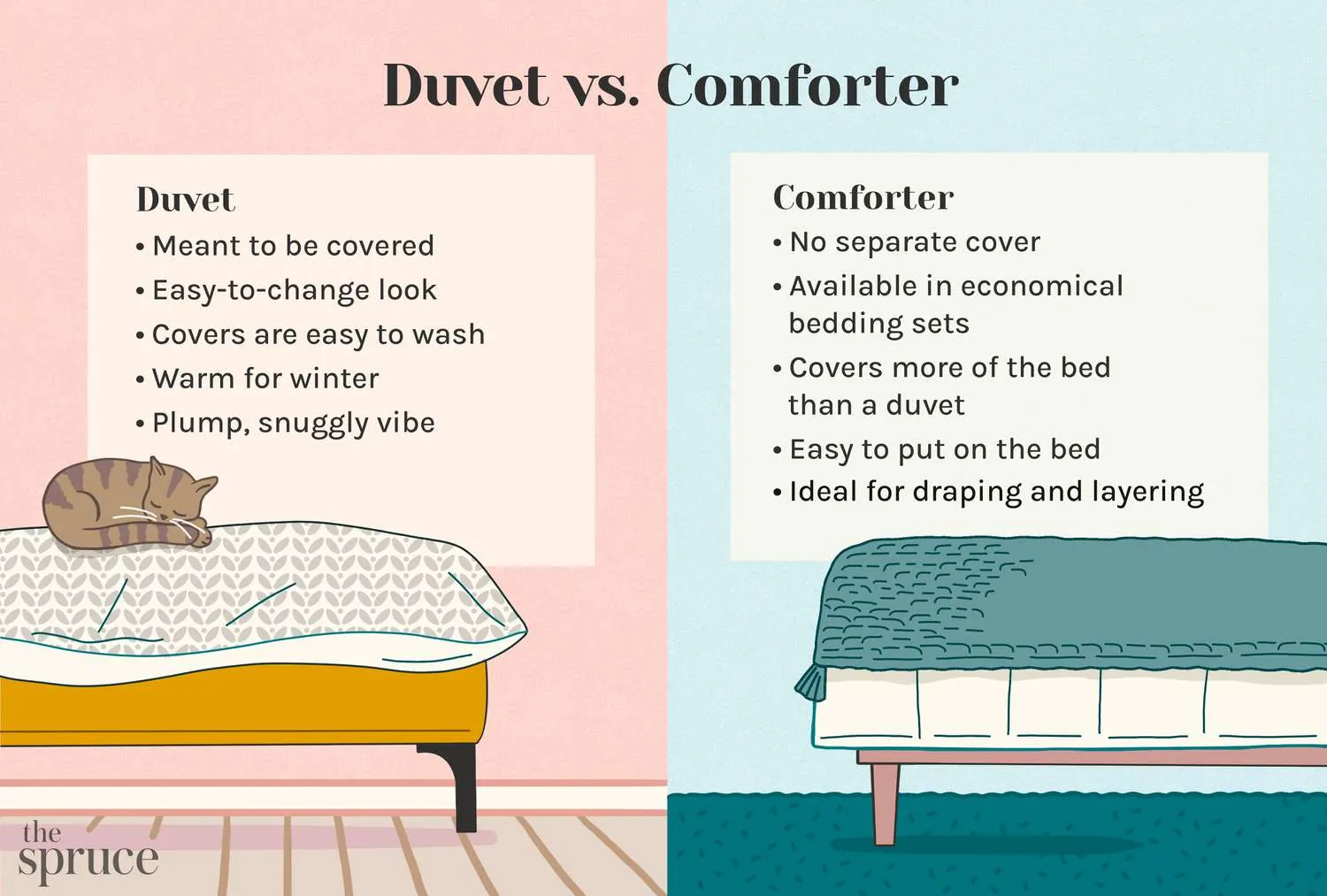
The primary purpose of a duvet cover is to shield the insert from daily wear and tear. Because duvets are often filled with down or synthetic fibers, they can be difficult and expensive to wash in a standard home machine. If you use a cover, you only need to launder the fabric shell, which saves the internal filling from the mechanical stress of frequent washing cycles.
Most high-quality down inserts lose their thermal efficiency once the clusters are clumped by moisture or detergent. A cover acts as a sacrificial layer that absorbs body oils and sweat, which are the primary culprits behind fabric yellowing and premature fiber breakdown.
Beyond cleanliness, these covers allow you to change your bedroom’s look without buying new bedding. They’re lightweight and fold down into a small square, making them simple to store in a linen closet.
If you own a high-quality down duvet, protecting it from moisture and skin oils is essential to maintain its “loft”—the ability of the feathers to trap air and provide warmth. Using allergen-proof covers on bedding can help reduce your exposure to dust mites, which thrive in soft, warm environments.
If you have a duvet that’s decorative or made of delicate materials like silk, a cover provides a barrier against friction. Without one, the outer shell of the insert can fray or thin out over time. This is especially important for people who enjoy eating or drinking in bed, as the cover catches spills before they reach the expensive internal material.
If your duvet insert features a box-stitch construction, ensure your cover includes corner ties. Without these, the insert will shift and bunch inside the shell, creating uneven weight distribution. If you notice the insert sagging toward the foot of the bed every morning, your cover is likely too large or lacks the necessary interior fasteners to hold the weight of the fill in place.
Features of Duvet Covers
Most covers use buttons, zippers, or ties to keep the insert from shifting. Zippers offer the most secure seal but can snag if they aren’t high-quality metal. Buttons provide a classic aesthetic, yet they often leave small gaps where the duvet can peek through.
Choose cotton for breathability, linen for texture, or polyester blends for wrinkle resistance. If you suffer from night sweats, prioritize long-staple cotton or bamboo, as these fibers wick moisture away from the skin. If you prefer a crisp, hotel-like appearance, look for a percale weave that resists pilling over time.
Ensure the cover dimensions match your insert exactly. A cover that’s too large causes the duvet to bunch up in the corners, creating an uneven, lumpy surface. If your duvet is an odd size, buy the insert first, then measure it manually before ordering a custom cover.
Wash the cover every one to two weeks. If you share your bed with pets or suffer from seasonal allergies, move toward the weekly schedule to clear out dander. Always flip the cover inside out and close all fasteners before washing to prevent the fabric from tearing or the buttons from cracking against the drum.
Look for corner ties inside the cover to secure the insert loops. If your duvet insert lacks loops, use a set of fabric clips to bridge the gap. Without these anchors, the insert will inevitably slide to the bottom of the cover, leaving you with a hollow, empty shell at the top of your bed.
When to Skip a Duvet Cover
While covers are helpful for most, they aren’t necessary for every type of bed setup. Some people prefer the feel of a traditional comforter, which is sewn shut and doesn’t require an extra layer.
You can safely skip the cover if your primary goal is ease of maintenance rather than aesthetic protection. If your comforter is filled with synthetic down alternative, it’s likely machine washable. Check the care tag for a “gentle cycle” instruction. If it fits comfortably in your home machine without being jammed against the agitator, wash the insert directly once a season.
If you’re a hot sleeper, ditch the cover entirely. A duvet cover adds a significant layer of fabric that traps body heat and restricts airflow. Instead, pair a high-quality flat sheet with a lightweight, breathable quilt. This combination allows for better temperature regulation throughout the night.
For guest rooms that see fewer than ten nights of use per year, a cover is an unnecessary chore. Use a simple, decorative bedspread that can be laundered in one piece. This saves you the frustration of wrestling a duvet into its shell before every guest arrival.
Finally, distinguish between utility and display. If your bed is purely for show, skip the cover and invest in a high-thread-count top sheet. If you find yourself constantly removing the duvet just to get comfortable, the cover is working against your sleep quality rather than for it. In that case, switch to a washable comforter and regain your time.
How to Fit a Duvet Cover Properly
- Turn the duvet cover inside out and lay it flat on top of your mattress.
- Place the duvet insert directly on top of the inside-out cover, aligning the corners.
- Reach inside the cover from the bottom opening and grab the two top corners of the insert.
- Flip the cover right-side out over the insert while holding the corners firmly.
- Shake the cover downward until the fabric slides over the rest of the insert.
- Button or zip the bottom opening closed to ensure a secure fit for your duvet.
The Mistakes That Ruin Your Bedding
Ignoring corner ties turns a duvet into a lumpy ball by morning. If your cover lacks ties, sew four small loops of cotton ribbon to the inside corners. You can then secure them to the insert using simple safety pins or dedicated duvet clips.
A cover significantly larger than the insert creates excess fabric that bunches up and interferes with your sleep. Aim for a gap of no more than two inches between the duvet and the cover’s edge. If you find yourself swimming in extra material, the insert is likely the wrong weight or size for your frame.
Always zip your covers completely before tossing them into the wash. An open zipper acts like a serrated blade, snagging delicate fibers and tearing holes in your sheets. Over time, the friction of an open metal track will also cause the teeth to misalign or break.
Overloading the washer prevents the detergent from circulating through the heavy fabric. If the drum is more than three-quarters full, the cover will emerge with streaks of soap and deep, set-in wrinkles. Wash your duvet cover alone or with only a few light pillowcases to ensure it tumbles freely.
Finally, avoid the mistake of drying your cover on high heat. Excessive temperature shrinks the cotton fibers, making it impossible to fit the insert back inside. Use a low-heat setting and remove the cover while it’s still slightly damp to prevent permanent creasing.
Frequently asked questions
Can I use a duvet cover as a blanket?
You can use a duvet cover as a blanket, but it will be very thin since it’s just two layers of fabric. It works well during hot summer months when you need a light barrier but not the warmth of an insert. If you decide to do this, look for covers made of heavier materials like flannel or high-thread-count cotton to provide enough weight for comfort.
How often should I wash my duvet cover?
You should wash your duvet cover every 1 to 2 weeks to keep it hygienic. This schedule ensures that skin cells, oils, and perspiration don’t soak through to the insert underneath. If you have pets that sleep on the bed or if you suffer from seasonal allergies, you may want to wash it once a week to minimize the buildup of dander and dust.
Does it matter if my duvet cover is larger than my insert?
It does matter because a cover that’s too large will cause the duvet to shift and clump, leaving you with empty corners. If the cover is more than 2 inches wider or longer than your insert, the material will feel loose and bunch up while you sleep. Always measure your insert before purchasing a new cover to ensure the dimensions align for a crisp, smooth look on your bed.
Why do some duvet covers have ties inside?
The internal ties are designed to hold the corners of your insert in place so it stays flat. Without these ties, the heavy filling of the duvet often shifts toward the foot of the bed or gathers in one corner during the night. Most modern inserts come with fabric loops at the corners specifically meant to be knotted to these internal ties for a secure connection.
Is it safe to machine wash a silk duvet cover?
It’s safe to machine wash a silk duvet cover only if the care label specifically says so, usually on a delicate cycle with cold water. Most silk covers require dry cleaning or hand washing to prevent the fibers from breaking down or losing their natural luster. If you’re unsure, always check the manufacturer’s tag inside the bottom seam of the cover before putting it in your machine.
How do I stop the duvet from bunching up?
You can stop the duvet from bunching up by using the internal ties to secure the corners of the insert to the cover. If your specific cover doesn’t have ties, you can purchase “duvet clips” or pins that clamp the insert to the fabric shell. Ensuring that the size of the cover matches the insert prevents the extra space that allows the duvet to move around while you sleep.
Conclusion
Choosing the right cover depends on your local climate and how much time you want to spend on laundry. If you prefer a simple, low-maintenance bed, ensure the cover has a sturdy zipper and corner ties to minimize daily adjustments. While the cover protects your investment, the quality of the insert itself determines the warmth and comfort you’ll feel throughout the night.