

A peva shower curtain is a non-toxic bathroom liner made from polyethylene vinyl acetate, a plastic material that doesn’t contain chlorine. It serves as a waterproof barrier for your bathtub or shower area to keep water inside the basin. Because it lacks the volatile chemicals found in older types of plastic curtains, it’s a common choice for people who want to reduce their exposure to harsh odors and chemical off-gassing in the home.
Understanding PEVA shower curtains
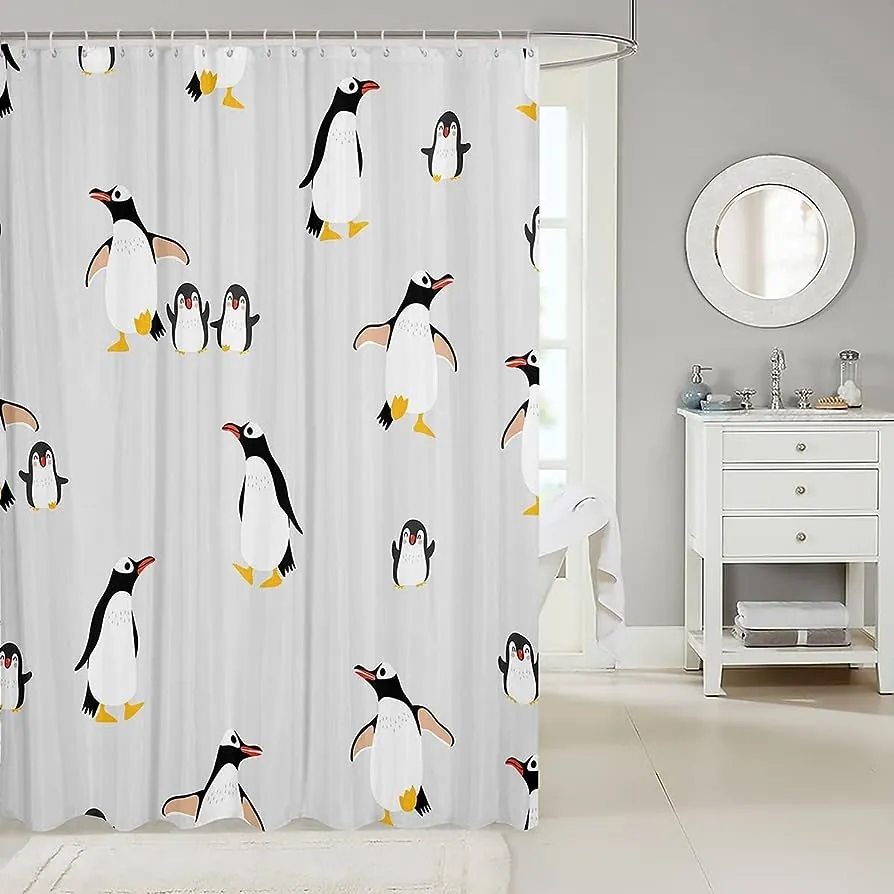
Plastic shower liners are typically manufactured from either PVC or PEVA. While PVC stands for polyvinyl chloride, PEVA is a blend of polyethylene and vinyl acetate. The primary difference is that PEVA doesn’t require the addition of phthalates or chlorine to achieve flexibility. This makes it a popular alternative for households seeking a product that feels lightweight and stays pliable without the sharp, chemical odor associated with traditional vinyl.
Manufacturers create these curtains by melting plastic pellets and pressing them into thin, waterproof sheets. These sheets are then cut to size and fitted with metal or plastic eyelets for hanging. If you’re comparing materials, PEVA is generally thinner than heavy-duty vinyl but is easier to wipe down and maintain. It’s resistant to mold and mildew because the surface is non-porous, though it still requires regular cleaning to remove soap scum where mold can grow.
You can identify the material by checking the product packaging for a “chlorine-free” label or by performing a simple tactile test. PVC often feels slightly tacky or rubbery to the touch, whereas PEVA feels smoother and more like a stiff plastic bag. If the curtain releases a strong, sweet-smelling gas when you first remove it from the package, it’s almost certainly PVC. That scent is the result of off-gassing, a process where volatile organic compounds release into your bathroom air.
A common mistake is assuming that “waterproof” implies “stain-proof.” While PEVA resists mold, it can still accumulate soap scum if left folded against itself after a shower. To prevent this, pull the curtain fully closed after every use so it can dry completely. If you live in a high-humidity climate, choose a liner with a weight of at least 8 gauge. Anything thinner will likely cling to your legs while you shower due to static electricity.
The U.S. Environmental Protection Agency provides information on the general chemical properties of plastics, which helps explain why many consumers shift away from chlorine-based materials. Because PEVA doesn’t rely on those specific plasticizers, it remains a standard choice for those who prefer to keep their bathroom environment free of strong chemical scents. If you’re sensitive to odors, prioritize PEVA, but if you require a heavy-duty barrier that won’t billow in a draft, stick with a high-gauge PVC.
Comparing curtain materials
| Material | Chemical content | Weight | Main benefit |
|---|---|---|---|
| PEVA | Chlorine-free | Lightweight | No chemical smell |
| PVC | Contains chlorine | Heavy | Highly durable |
| Polyester | Fabric-based | Medium | Machine washable |
| Cotton | Natural fiber | Heavy | Requires liner |
PEVA is the best choice for small bathrooms with limited ventilation. Because it lacks the heavy chemical off-gassing associated with PVC, you avoid that sharp, industrial odor that lingers in tight spaces. However, its lightweight nature causes it to billow easily. If your shower has high water pressure, PEVA will cling to your skin.
PVC remains the gold standard for heavy-duty protection. It resists mold and mildew buildup similarly to other non-porous plastic materials. Just watch for the telltale yellowing that signals the plastic is breaking down. Once the material becomes brittle or develops small cracks, it’s time to replace it. Continuing to use degraded PVC invites water seepage behind your tiles.
Polyester is the only material here that survives a standard laundry cycle. If you have hard water that leaves mineral deposits, choose this. You can simply toss it in the wash with a cup of vinegar to restore its appearance. Don’t use bleach, as it weakens the synthetic fibers and ruins the water-repellent coating.
Cotton offers a high-end aesthetic, but it isn’t waterproof. It serves purely as a decorative exterior layer. If you use it alone, the fabric will soak through and foster mold growth within days. Always pair cotton with a plastic or polyester liner. If the liner touches the floor, trim it by one inch to prevent wicking moisture upward into the cotton weave.
How to use and maintain it
You should always hang the curtain with the smooth side facing the inside of the shower. This orientation prevents soap scum and mineral deposits from lodging in the folds, where they’re difficult to scrub away. Most standard curtains measure 72 by 72 inches, which fits the vast majority of alcove bathtubs. If you have a walk-in shower, measure your opening width and add at least six inches of slack to ensure the curtain can overlap the edges without pulling taut.
Remove the curtain from the package and let it air out for 10 minutes to smooth any shipping wrinkles. Slide your shower rings through the reinforced eyelets at the top of the curtain. Attach the rings to your shower rod, ensuring the curtain hangs freely without bunching up.
If the curtain drags on the floor, trim the bottom edge with sharp fabric shears. A curtain that sits in a puddle will wick moisture upward, creating a permanent breeding ground for mildew at the hem.
Wipe the surface with a damp cloth every two weeks to remove soap buildup before it hardens. If you see pinkish or orange residue, you’re dealing with Serratia marcescens, a bacteria that thrives on soap film. In this case, soak the bottom third of the curtain in a solution of one part white vinegar to four parts water for thirty minutes.
If you notice persistent hard water spots that don’t come off with a vinegar soak, the material has likely become porous, meaning it will trap odors and bacteria regardless of how hard you scrub.
If your bathroom lacks a window or a high-powered exhaust fan, prioritize a liner made of PEVA rather than PVC, as PEVA resists mold growth more effectively in high-humidity environments. Never machine dry a plastic curtain, as the heat will cause the material to warp and lose its water-repellent finish.
Mistakes that ruin your curtain
Using harsh bleach or abrasive scrubs will scratch the plastic surface and make it dull. Once these micro-abrasions appear, soap scum and mineral deposits settle into the grooves, making the material impossible to clean. If you notice a film that won’t rinse away, you have already compromised the protective finish.
Folding the curtain while it’s still wet encourages mold growth in the creases. Moisture trapped between layers creates a breeding ground for spores that spread within hours. Always hang the liner at full extension until it’s bone-dry to the touch. If you lack the space to hang it, drape it over a shower rod rather than stacking it in a pile.
Putting the curtain in a hot dryer will cause the thin plastic to melt or warp. High heat softens the synthetic polymers, causing the edges to curl inward or the material to shrink unevenly. If you must remove wrinkles, use a handheld steamer on the lowest setting from at least six inches away.
Ignoring small tears at the eyelets leads to the curtain falling off the rod quickly. A tiny stress fracture at the plastic ring acts as a focal point for gravity. Once the hole widens, the curtain will sag and eventually tear through the entire header. Apply a small piece of clear, waterproof repair tape to both sides of the eyelet the moment you see the first hairline crack. This simple fix prevents a total replacement.
Frequently asked questions
Does a peva shower curtain need a liner?
No, a peva shower curtain is designed to act as its own waterproof liner. Because the material is non-porous, water beads up and rolls off the surface rather than soaking through the fabric. You can use it alone, but some people prefer to hang a decorative fabric curtain on the outside and the PEVA liner on the inside to keep the water contained.
How do I clean a peva shower curtain?
You should clean it by wiping the surface with a mild soap and a damp sponge. Avoid putting it in the washing machine, as the agitation can tear the thin plastic material. If you see mildew, use a mixture of water and white vinegar to gently scrub the affected areas. Always leave the curtain pulled closed after a shower so it can air dry completely.
Is it safe to use around children?
Yes, it’s generally considered safe because PEVA doesn’t contain chlorine or phthalates. These chemicals are often avoided in products intended for use near children or in small, poorly ventilated spaces. However, you should always ensure the curtain is hung securely so that no one pulls it down or gets tangled in the plastic material during use.
Why does my new shower curtain smell?
The mild smell you notice is usually just the result of the manufacturing process or the packaging, and it typically fades within 24 to 48 hours. If you want to speed up the process, hang the curtain in a well-ventilated room or outside for a few hours before putting it in your bathroom. This off-gassing is common with many new plastic items and isn’t usually a cause for concern.
Can I recycle a peva shower curtain?
It depends on your local waste management rules, as not all centers accept this specific type of plastic for recycling. Check the symbol on the packaging to see if it’s marked as a recyclable plastic type in your area. If your local facility doesn’t accept it, you’ll need to dispose of it in your standard household trash bin.
How long does a peva shower curtain last?
High humidity and poor airflow will cause soap scum and mildew to build up faster. You’ll know it’s time for a replacement when the material becomes stiff, develops permanent stains, or shows cracks along the top eyelets where it hangs.
Conclusion
When choosing a shower curtain, remember that the thickness of the plastic varies by brand and price point. Thicker options generally resist tears better than thinner, budget-friendly versions, so check the weight or thickness rating on the package if you want a curtain that lasts toward the 12-month mark.